
Assisted living transition support that feels like family.
Compassionate transition support in San Diego — helping seniors and families navigate the move to assisted living with comfort, confidence, and peace of mind.
Finding trusted assisted living transition support in San Diego can make one of the hardest decisions a family faces feel far less overwhelming. Your loved one may feel anxious, resistant, or uncertain. You may feel caught between what’s safest and what feels right.
At All Heart Home Care®, our assisted living transition support in San Diego bridges that gap — providing the companionship and practical help that makes the move smoother for seniors and less stressful for families.
Why is this transition so hard?
for seniors
Leaving home means giving up independence, familiar surroundings, and a lifetime of memories. Even when assisted living is the right choice, it rarely feels easy.
for families
You’re managing logistics, emotions, and often resistance — all while trying to maintain a loving relationship during a difficult time.
our role
We provide a neutral, compassionate presence who can help your loved one accept the change at their own pace — without family tension or pressure.

How our assisted living transition support in San Diego works
Companionship during the process
Change is less overwhelming when you’re not facing it alone. Our caregivers provide steady support, answer questions, and guide your loved one through each step — so they never feel rushed or abandoned.
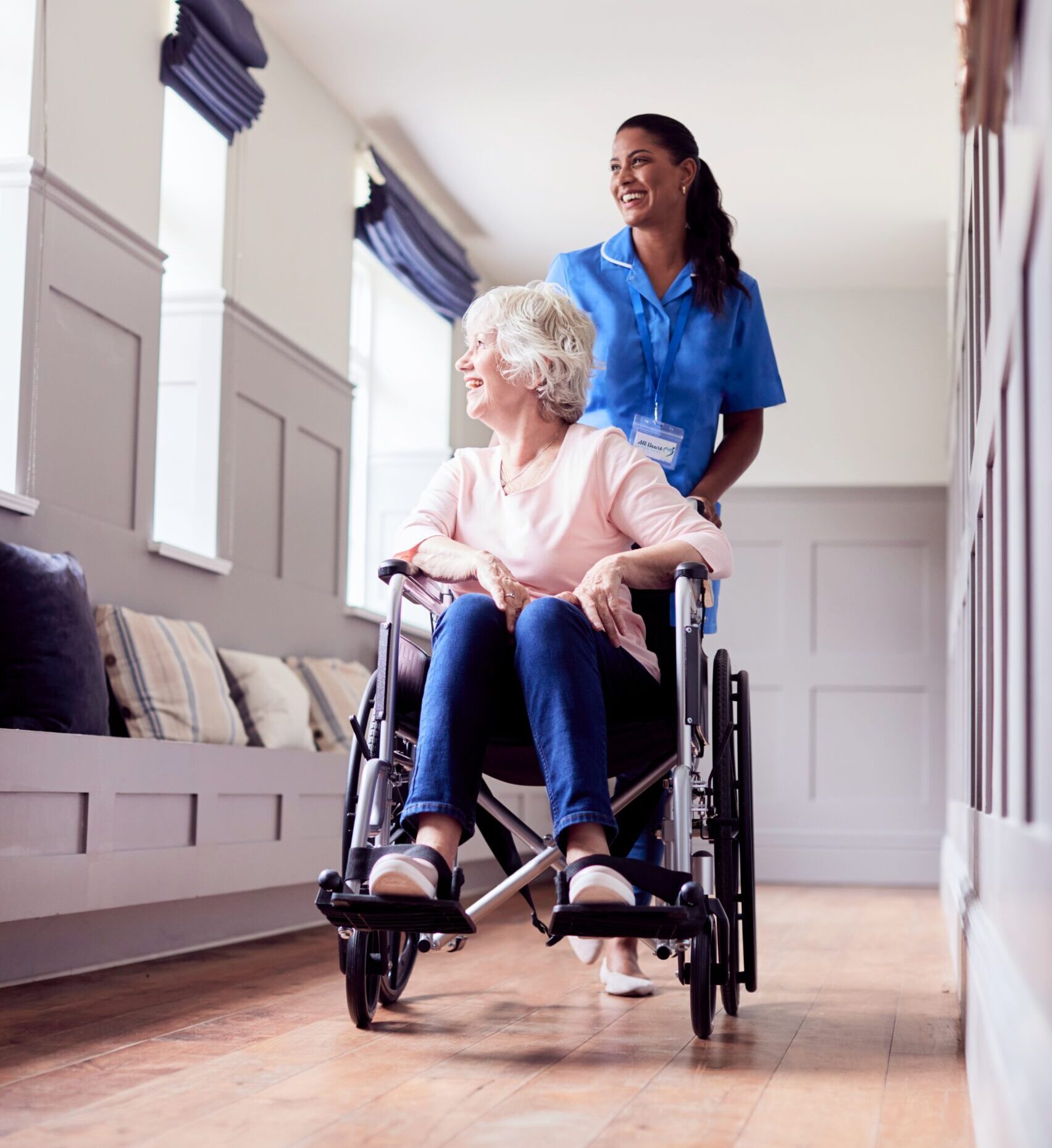
Gradual familiarization with the new environment
We don’t believe in sudden moves. Instead, we help seniors:
- Visit the facility multiple times to meet staff, tour the grounds, and get comfortable with the space
- Enjoy meals and activities alongside other residents to experience daily life at the community
- Explore their future living space so they can visualize decorating and settling in
- Ask questions and voice concerns in a supportive, unhurried environment
This gradual process replaces fear with familiarity — and often, even anticipation.

Help with packing and downsizing
Deciding what to bring and what to leave behind can be emotionally exhausting. Our caregivers help seniors:
- Sort through belongings and choose meaningful items to take
- Pack personal treasures like photos, keepsakes, and clothing
- Organize the move so nothing important gets left behind
For larger furniture and household items, we recommend coordinating with a local moving company.
Transportation coordination
We handle the logistics of getting your loved one to and from the facility — for visits, move-in day, or settling-in trips. One less thing for you to manage.
Support at their pace
Our assisted living transition support in San Diego moves at your loved one’s pace — no rush, no pressure, just steady, compassionate guidance. We’ll continue providing home care for as long as needed while gradually preparing them for the transition. There’s no rush. There’s no pressure. Just steady, compassionate support.
If your loved one is still resistant to moving, our guide on what to do when an elderly parent refuses home care may help you start the conversation.
What this looks like in practice
-
Step 1: Introduction
The caregiver meets your loved one and begins building trust. -
Step 2: First Visits
Together, they visit the assisted living facility — meeting staff, touring the space, and observing daily routines. -
Step 3: Participation
Your loved one shares a few meals, joins an activity or two, and starts connecting with future neighbors. -
Step 4: Questions and Concerns
The caregiver documents any worries or questions and shares them with you, helping facilitate open communication. -
Step 5: Packing and Preparation
When your loved one is ready, the caregiver helps them pack, organize, and prepare for the move. -
Step 6: Move-In Day
The caregiver accompanies your loved one, helping them settle in and feel at home from day one.

Why families choose All Heart for assisted living transition support in San Diego
- We reduce family conflict — a neutral, compassionate caregiver can often ease difficult conversations and reduce family tension during the transition process.
- We move at the senior's pace — no rushing, no pressure, no forced timelines
- We provide continuity — the same caregiver supports them before, during, and after the move
- We handle the details — packing, transportation, coordination, and emotional support


Important note: Facility coordination
Before beginning this service, please confirm with the assisted living facility that they allow:
- Multiple pre-move visits from prospective residents
- Participation in meals and activities before move-in
- Caregiver accompaniment during the familiarization process
All Heart caregivers are fully registered through the California Department of Social Services Home Care Services Bureau — ensuring every caregiver meets rigorous state standards before entering any home or facility.
Not all facilities accommodate this gradual approach. We recommend asking about their policies before committing to the transition plan.
We’ll work directly with the facility’s management to ensure our caregivers comply with all community guidelines. Most assisted living communities welcome additional support for new residents, and we’ll coordinate with their staff to ensure a seamless experience for your loved one.
When to consider assisted living transition support
Families often reach out to us when they notice changes that suggest a higher level of care may be needed — but the conversation feels impossible to start.
Safety concerns at home
- Frequent falls or close calls
- Difficulty managing medications independently
- Forgetting to eat regular meals
- Home maintenance becoming overwhelming or neglected
- Wandering or confusion about familiar surroundings
Social isolation
- Limited interaction with friends or family
- Signs of depression, loneliness, or withdrawal
- Declining personal hygiene or self-care
- Loss of interest in hobbies or activities that once brought joy
Family caregiver burnout
- Adult children struggling to balance caregiving with work and family responsibilities
- Siblings disagreeing on the best approach to care
- Escalating tension or conflict during family visits
- Guilt about not being able to provide enough support
Medical recommendations
- Doctor or hospital discharge planner suggesting a higher level of care
- Recent hospitalization highlighting the need for supervision
- Progressive conditions like dementia, Parkinson's, or mobility decline requiring more support
If you’re seeing these signs, assisted living may provide better safety, social connection, and quality of life for your loved one — but the transition needs to be handled thoughtfully, not urgently.
That’s where we come in.
Choosing the right assisted living facility
Not all assisted living communities are the same. When evaluating options with your loved one, consider these factors:
Staff interaction
- Do they seem rushed or attentive during your visit?
- How quickly do they respond to resident requests?
- Are staff members friendly, patient, and genuinely engaged with residents?
- Do they know residents by name and remember personal details?
Activity programming
- Is participation flexible, or does it feel mandatory?
- Are there varied activities that match your loved one's interests and abilities?
- Do residents seem engaged and enthusiastic during activities?
- Are there opportunities for both group activities and quiet time?
Dining experience
- Is the food appealing, fresh, and nutritious?
- Are dietary restrictions and preferences accommodated?
- Is the dining room atmosphere pleasant and social?
- Can residents choose when and where to eat?
Living spaces
- Are rooms clean, well-maintained, and comfortable?
- Is there adequate natural light and ventilation?
- Do the spaces feel homelike or institutional?
- Can residents bring their own furniture, photos, and personal decor?
Community atmosphere
- Do current residents seem happy, engaged, and comfortable?
- Is there a sense of warmth and genuine community?
- How does the facility handle conflicts or concerns?
- Does the staff treat residents with dignity and respect?
Our caregivers can accompany you and your loved one on facility tours — helping ask important questions, observe details you might miss while managing emotions, and provide an objective perspective on each community.
Assisted living transition support in San Diego County
All Heart Home Care provides trusted assisted living transition support in San Diego County — serving families throughout the region, including:
Our assisted living transition support in San Diego includes helping your family understand the local senior living landscape — guiding you toward communities that align with your loved one’s care needs, lifestyle preferences, and level of support. Whether you’re considering a large community with extensive amenities or a smaller, more intimate residential care home, we’re here to help make the transition as smooth as possible.
Frequently asked questions about assisted living transition support in San Diego
How do I approach the conversation about moving to assisted living with my loved one?
Starting this conversation is often the hardest part. Choose a calm moment to talk, and speak from care and concern — not urgency or frustration.
Explain why you’re worried (their safety, isolation, difficulty managing at home) while reassuring them you’re not trying to take away their independence. Listen to their feelings without judgment. It often takes multiple conversations over weeks or months for a senior to warm up to the idea — and that’s okay.
If bringing it up feels tense or leads to arguments, consider involving a neutral third party. Sometimes a doctor or one of our caregivers can introduce the idea gently, without pressure. We can help facilitate early conversations so your loved one feels heard and in control — not forced or cornered.
How long does the transition process usually take?
Every family is different. Some seniors are ready to move within a few weeks, while others need several months of gradual familiarization. We work at your loved one’s pace — there’s no set timeline.
On average, families find that 4-8 weeks of supported visits helps seniors feel comfortable enough to make the move with confidence. For seniors with dementia or significant anxiety, the process may take longer — and that’s okay.
The goal isn’t speed. It’s readiness.
What if my loved one refuses to visit the facility?
Resistance is common and completely normal. Our caregivers are trained to approach the topic gently, without pressure or ultimatums.
Sometimes starting with “just a quick tour” or “visiting a friend who lives there” can lower defenses. We’ve found that when a neutral caregiver (rather than a family member) suggests the visit, seniors are often more willing to consider it.
If your loved one is adamant about not visiting, we’ll continue providing home care while building trust and gradually introducing the idea over time. Patience often accomplishes what pressure cannot.
Can the same caregiver stay with my loved one after they move into assisted living?
In many cases, yes — depending on the facility’s policies and your loved one’s ongoing care needs.
Continuity of care can significantly ease the transition. Having a familiar, trusted caregiver visit regularly after the move provides emotional stability during the adjustment period.
We’ll work with you and the facility to determine if ongoing companionship visits or additional care support from the same caregiver is possible and appropriate. Most assisted living communities welcome outside caregivers as long as they coordinate with facility staff and comply with community guidelines.
How can I cope with feeling guilty about moving my loved one to assisted living?
Guilt is one of the most common emotions families experience when considering assisted living — and it’s completely normal. You might feel like you’re breaking a promise or letting them down.
But choosing assisted living can actually be an act of love. It ensures your loved one gets the safety, care, and social connection they need — support you may no longer be able to provide alone.
You’re not abandoning them. You’re making sure they’re safe and cared for. And you can stay as involved as you want — visiting regularly, calling often, and continuing to be their advocate.
As your loved one adjusts and begins to enjoy life in the community, those guilty feelings often fade. You’re doing the right thing to keep them healthy and safe — and you don’t have to handle it alone.
What if my family members disagree about moving our loved one to assisted living?
Family disagreements are common. One sibling may feel the move is urgent for safety, while another feels it’s premature or is hesitant due to promises made or personal feelings.
Open communication is essential. Hold a family meeting so everyone can voice concerns and ask questions. Keep the focus on what’s best for your loved one’s well-being and safety — not personal conflicts.
Sometimes having a doctor or geriatric care manager explain your loved one’s needs can help everyone understand why assisted living is being considered.
Our team can also help reduce family conflict by serving as a neutral third party. During our assessments and transition visits, we provide unbiased, professional observations of how your loved one is managing. Hearing an objective perspective often helps unite the family around the best plan.
We can also suggest all family members tour the facility together or agree on a short trial period, so everyone feels more comfortable with the decision.
Do you help with selling the family home or managing belongings that aren't moved?
We don’t handle real estate transactions or estate sales, but we can connect you with trusted partners who specialize in senior home sales and downsizing services.
Our role is focused on the emotional and logistical support your loved one needs during the physical move — packing meaningful items, organizing belongings, and providing companionship throughout the process.
For handling the home itself, we’re happy to provide referrals to professionals we trust.
What happens if my loved one changes their mind after moving in?
Adjustment periods are normal — and some regret or second-guessing is common in the first few weeks.
We can continue providing companionship support during the settling-in period to help your loved one adjust, make connections, and feel more at home.
If after a reasonable adjustment period they’re truly unhappy, we’ll work with you and the facility to explore options — whether that’s adjusting their care plan, trying a different living arrangement within the community, or discussing alternative solutions.
Sometimes just knowing they have support and options reduces anxiety and helps them settle in more successfully.
How much does assisted living transition support cost?
Our transition support is billed at our standard hourly home care rates, which vary based on shift length.
Because each transition is unique, we’ll create a customized plan based on:
- How many facility visits your loved one needs
- The level of packing and organization support required
- Transportation coordination
- The timeline that works best for your family
All Heart Home Care offers a Low Rate Guarantee — we’ll beat any licensed competitor’s written quote for comparable services. This means you get the highest quality support at the most competitive price in San Diego County.
Call us at (619) 736-4677 to discuss your situation and receive a clear rate quote with no obligation.
Does insurance cover assisted living transition services?
Most health insurance plans and Medicare do not cover non-medical companionship services like assisted living transition support.
However, some long-term care insurance policies may provide coverage depending on the specific terms of the policy. We recommend checking with your insurance provider to understand your benefits.
We’re happy to provide documentation and receipts that you can submit to your insurance company for potential reimbursement.
What if the assisted living facility doesn't allow pre-move visits or caregiver accompaniment?
Some facilities have restrictive policies about prospective resident visits or outside caregivers accompanying tours.
Before beginning our transition support service, we recommend confirming with your chosen facility that they allow:
- Multiple pre-move visits from prospective residents
- Participation in meals and activities before move-in
- Accompaniment by a personal caregiver during visits
- The timeline that works best for your family
If a facility’s policies are too restrictive, that may be a sign to consider other communities that are more flexible and welcoming to gradual transitions.
When you’re ready to take the next step, our assisted living transition support in San Diego is here to help — call (619) 736-4677 for a free, no-pressure consultation.