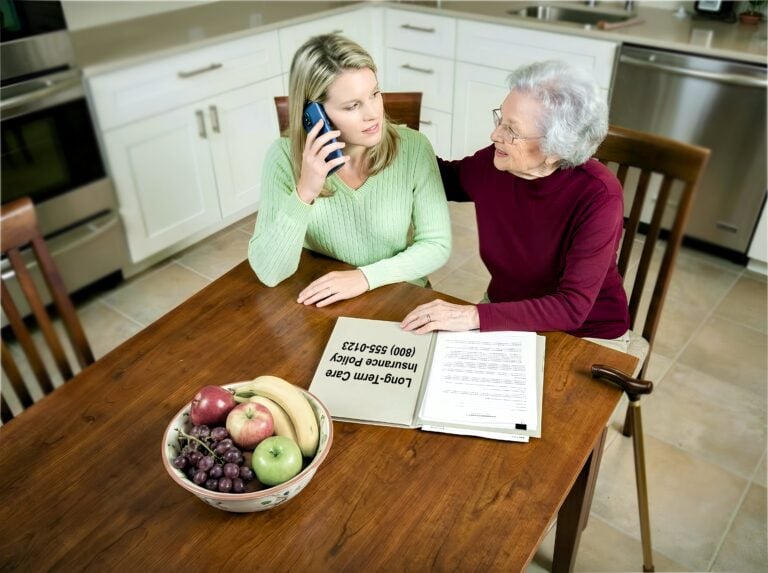

More older adults than ever are choosing to age in place — remaining in their own homes rather than moving to assisted living facilities.
It’s easy to understand why. Home offers comfort, independence, and connection to a lifetime of memories.
According to AARP’s 2024 Home and Community Preferences Survey, 75% of adults aged 50 and older want to remain in their current homes as they age. For many seniors, aging in place isn’t just a preference — it’s essential for their well-being.
But while aging in place can significantly improve quality of life, it also presents challenges. As physical and cognitive abilities decline, everyday tasks become more difficult. Homes can become unsafe without proper modifications and support.
If your elderly parent is living alone at home, it’s important to regularly assess whether their needs are being met. This guide covers key considerations to help ensure your loved one remains safe, healthy, and comfortable as they age in place.
Aging in Place: 2025-2026 Statistics
The desire to age in place continues to grow stronger each year:
- 94% of adults aged 55+ say aging in place is an important goal (2025 U.S. News survey)
- 82% of seniors want to spend the rest of their lives in their current home
- 83% of seniors say they feel safer living in their current home than in other options
- Only 10% of U.S. homes have the accessibility features needed to support aging in place
- 67% of seniors report rising costs make aging in place more difficult (2024)
- 4.1 million Americans turned 65 in 2024 alone
- The 65+ population is projected to reach 82 million by 2050 (up from 58 million in 2022)
With the right planning, home modifications, and support systems, most seniors can successfully age in place while maintaining their independence and quality of life.
Are They Eating Well?
Good nutrition becomes increasingly important — and increasingly challenging — as we age. Seniors need a balanced diet rich in vitamin D, omega-3 fatty acids, vitamin B12, folate, calcium, potassium, magnesium, and fiber. Without adequate nutrition, health deteriorates rapidly and immunity weakens. Several factors can make proper nutrition difficult for elderly parents aging in place alone:
- Difficulty driving or using transportation to reach grocery stores
- Physical limitations that make cooking challenging or dangerous
- Decreased appetite or changes in taste perception
- Cognitive decline affecting meal planning and preparation
- Limited income affects food choices
- Loneliness reduces motivation to prepare meals
Signs your parent may need nutritional support:
- Unexplained weight loss or gain
- Empty refrigerator or expired food
- Skipping meals or eating the same thing repeatedly
- Increased fatigue or weakness
- Burns or accidents in the kitchen
Your parent may benefit from grocery delivery services, meal preparation assistance, or home-delivered meals programs like Meals on Wheels.
Is Their Home Safe for Aging in Place?
Most people consider their home the safest place in the world. Unfortunately, a home designed for able-bodied adults can become dangerous for seniors. Falls are the leading cause of fatal and nonfatal injuries among older adults — and the majority happen at home. According to the CDC, the statistics are sobering:
- 1 in 4 adults 65+ falls each year
- 55% of fall injuries occur inside the home
- $80 billion in annual healthcare costs for non-fatal falls (2024)
- Nearly 3 million emergency department visits annually from senior falls
- 50% of seniors hospitalized for falls are discharged to nursing homes
- Fall death rates among adults 65+ have risen significantly over the past two decades
The good news: many falls are preventable with proper home modifications. A home safety assessment can identify hazards before they cause injury.
Essential Home Modifications for Aging in Place
Bathroom Safety:
- Grab bars near toilet and in shower/tub (the #1 requested aging-in-place feature)
- Non-slip mats or surfaces
- Walk-in shower or tub with a low threshold
- Handheld showerhead and bath seat
- Raised toilet seat
Throughout the Home:
- Remove trip hazards — area rugs, electrical cords across walkways, clutter
- Improve lighting throughout, especially in hallways and stairs
- Add night lights in bedrooms, bathrooms, and hallways
- Install handrails on both sides of the stairs
- Widen doorways if using walkers or wheelchairs
Accessibility Features:
- Main floor bedroom and full bathroom (78-88% of aging-in-place homes have these)
- Step-free entryway or ramp
- Lever-style door handles instead of knobs
- Lower shelves for frequently used items
- Move heavy items to accessible locations
Security and Communication:
- Security system for peace of mind
- Phones are accessible throughout the home and at bedside
- Video doorbell to see visitors without opening the door
Home modifications typically cost between $3,000 and $15,000 for basic upgrades, though extensive renovations can cost up to $100,000. However, these costs are often far lower than those for assisted living, which averages $54,000 per year.
Are They Equipped to Handle Emergencies?
If your elderly parent falls or experiences a medical emergency while alone, they need a way to get help immediately. Without it, a manageable situation can quickly become life-threatening. ▶ Critical: Fewer than half of older adults who fall tell their doctor. Many fear losing independence, but reporting falls is essential to prevent future incidents and identify underlying health issues.
Emergency preparedness essentials:
✓ Personal Emergency Response System (PERS) — Wearable devices that allow your parent to press a button to instantly alert emergency services and family members. Mobile versions transmit GPS location.
✓ Medical alert devices — Some newer devices can automatically detect falls and call for help even if the wearer is unconscious.
✓ Easy phone access — Phones in multiple rooms, including at bedside, with emergency numbers programmed.
✓ Smart home technology — Voice-activated assistants can call for help, turn on lights, or contact family members hands-free.
✓ Video monitoring — With your parents’ consent, cameras can allow family members to check in and verify safety.
According to a 2025 U.S. News survey, 49% of seniors report feeling safer when using assistive technologies, and 45% feel more independent as a result.
Can They Manage Their Medical Care?
Successful aging in place requires staying on top of medical care. This means attending doctor’s appointments, managing medications correctly, and following through on prescribed treatments.
Key medical management concerns:
Transportation to appointments — Many older adults lose the ability to drive safely as they age. Without reliable transportation, medical appointments get missed, and conditions worsen.
Medication management — Taking multiple medications at the correct times and dosages becomes increasingly difficult, especially with cognitive decline. Medication errors are a leading cause of hospitalization in seniors.
Following treatment plans — Physical therapy exercises, dietary changes, and other prescribed interventions require consistency and sometimes assistance.
Communication with providers — Understanding diagnoses, asking questions, and advocating for appropriate care may require support.
Solutions to support medical management:
- Medication management apps and pill organizers with alarms
- Transportation services for medical appointments
- Pharmacy delivery services
- Telehealth appointments when appropriate
- Family member or caregiver accompanying to appointments
- In-home physical therapy or rehabilitation assistance
Are Their Emotional Needs Being Met?
Living alone can be profoundly lonely — particularly for seniors who are housebound or have lost a spouse. Social isolation isn’t just an emotional concern; it’s a serious health risk. Research consistently shows that lonely older adults have shorter lifespans and higher rates of depression, cognitive decline, and heart disease. According to the National Council on Aging, up to 24% of community-dwelling older adults experience social isolation.
Supporting your parents’ emotional well-being:
✓ Regular family contact — Schedule consistent calls, video chats, and visits so your parent has a connection to look forward to.
✓ Transportation to social activities — Help them attend religious services, community events, senior centers, or gatherings with friends.
✓ Encourage hobbies and interests — Provide supplies and support for activities that bring joy and purpose.
✓ Companionship care — Professional caregivers provide meaningful social interaction and engagement.
✓ Technology for connection — Teach your parent to use video calling or social media to stay connected with family and friends.
How Home Care Supports Aging in Place
Being constantly available to ensure your parent has everything they need simply isn’t possible for most families. Work, distance, and other responsibilities create gaps that can put your loved one at risk. Professional home care bridges these gaps. It allows your parent to age in place safely while giving you peace of mind. At All Heart Home Care, our trained caregivers help seniors maintain their independence at home through:
- Meal preparation — Nutritious, home-cooked meals tailored to dietary needs
- Grocery shopping and errands — Ensuring the refrigerator stays stocked
- Transportation — Safe rides to doctor’s appointments, social events, and activities
- Medication reminders — Helping ensure medications are taken correctly
- Light housekeeping — Maintaining a clean, safe living environment
- Personal care assistance — Help with bathing, dressing, and hygiene as needed
- Mobility support — Exercise assistance and fall prevention
- Companionship — Meaningful conversation, activities, and social engagement
Home care is often more cost-effective than assisted living facilities, which average $54,000 per year. More importantly, it allows your parent to remain in the home they love while receiving personalized, one-on-one attention.
Planning for Successful Aging in Place
The best time to plan for aging in place is before a crisis occurs. Proactive planning allows your family to make thoughtful decisions rather than rushed ones.
Steps to take now:
✓ Have the conversation — Talk with your parent about their wishes and concerns about aging.
✓ Assess the home — Identify modifications needed now and those that may be needed in the future.
✓ Research local resources — Learn what services are available in your parents’ community.
✓ Create a support network — Identify family members, neighbors, and professionals who can help.
✓ Address legal and financial matters — Ensure powers of attorney, healthcare directives, and financial plans are in place.
✓ Consider a trial period of home care — Introducing support gradually can help your parent adjust to aging in place with assistance.
Take the Next Step
If your elderly parent wants to age in place, you don’t have to figure everything out alone. All Heart Home Care has been helping San Diego families support their loved ones at home since 2014. Contact us today at (619) 736-4677 to schedule a free in-home consultation. We’ll assess your parents’ needs, discuss how our caregivers can help, and answer any questions about aging in place with professional support. Because home is where the heart is — and where your parent deserves to be.
References
- AARP. (2024). 2024 Home and Community Preferences Survey. press.aarp.org
- U.S. News & World Report. (2025). Aging in Place Survey: How Technology is Supporting Longer Living. usnews.com
- Centers for Disease Control and Prevention. (2024). Facts About Falls. cdc.gov
- Haddad, Y.K., et al. (2024). Healthcare Spending for Non-Fatal Falls Among Older Adults, USA. Injury Prevention, 30(4), 272-276.
- National Council on Aging. (2024). Get the Facts on Older Americans. ncoa.org
- U.S. Census Bureau. (2023). Population Projections. census.gov
- Retirement Living. (2025). Aging in Place Statistics. retirementliving.com
Aging in Place Resources
- AARP Livable Communities: aarp.org/livable-communities
- CDC Fall Prevention: cdc.gov/falls
- Eldercare Locator: eldercare.acl.gov
- Meals on Wheels: mealsonwheelsamerica.org
- National Institute on Aging: nia.nih.gov/health/aging-place
This article is for informational purposes only and does not constitute medical advice. Consult with healthcare providers and qualified professionals when making decisions about your loved one’s care.