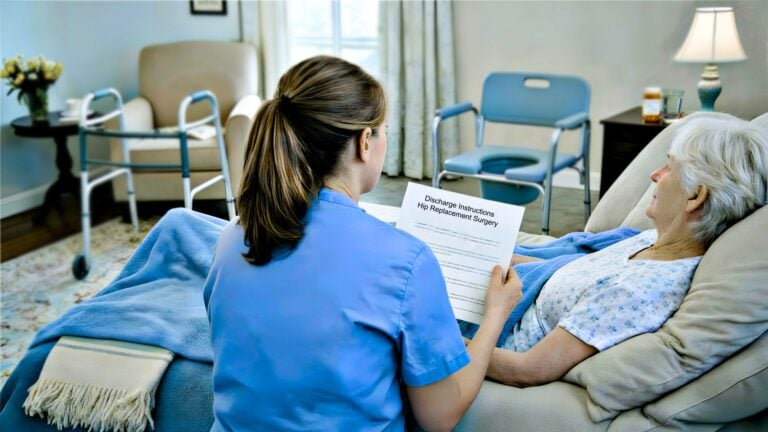
Every year, falls change lives in an instant. A trip over a loose rug. A slip on a wet bathroom floor. A misstep in a dark hallway. What seems like a minor accident can lead to months of recovery, loss of independence, or worse.
The good news? Most falls are preventable. With appropriate modifications to your home and lifestyle, you can significantly reduce your risk and continue living safely and independently.
This comprehensive guide will show you exactly how to fall-proof your home, backed by the latest 2024-2025 research and CDC recommendations.
The Alarming Reality: Fall Statistics for 2025
Falls are not just common—they’re an epidemic affecting millions of American seniors every year.
2025 CDC Data Shows Rising Rates
According to the latest CDC data (June 2025):
- 14 million Americans aged 65 and older fall each year—that’s 1 in 4 seniors
- More than one out of four older adults falls each year, but less than half tell their doctor
- Falling once doubles your chances of falling again
- In 2023, the unintentional fall death rate for adults 65+ was 69.9 per 100,000, and this rate has been increasing since 2003
- Nearly 39,000 older adults died from fall-related injuries in 2021
- 3 million emergency department visits each year are due to older adult falls
- Approximately 1 million fall-related hospitalizations occur annually among older adults
The Devastating Consequences
Falls cause serious, life-changing injuries:
- Hip Fractures: 83% of hip fracture deaths and 88% of emergency department visits for hip fractures are caused by falls. Nearly 319,000 older adults are hospitalized for hip fractures each year.
- Traumatic Brain Injuries (TBI): Falls are the most common cause of traumatic brain injuries in older adults.
- Long-Term Disability: 29% of elderly patients who survive a hip fracture have not returned to baseline functioning one year later.
- Loss of Independence: 1 in 5 older adult patients with a hip fracture returns to the emergency department within a year due to repeat falls or complications.
The Financial Burden
Falls are costly:
- The total healthcare cost of non-fatal older adult falls is $80 billion per year (2020 data)—up from $50 billion in 2015
- This cost is projected to exceed $101 billion by 2030
- Average cost per inpatient hospital visit for fall injuries: $18,658
- Average cost per emergency department visit: $1,112
- 67% of fall-related expenses are paid by Medicare, 4% by Medicaid, and 29% by patients and families
Where Do Falls Happen?
Research consistently shows that more than 60% of falls occur at home, and this rate is even higher among older adults who spend more time at home. The most dangerous room? The bathroom is where 80% of senior falls occur, according to multiple studies.
Why Seniors Fall: Understanding the Risk Factors
A single factor rarely causes falls. Understanding what increases fall risk is the first step toward prevention.
Modifiable Risk Factors (You Can Change These)
Physical Factors:
- Lower body weakness
- Difficulties with walking and balance
- Vitamin D deficiency
- Foot pain or improper footwear
- Vision problems
- Hearing loss
Medication Factors:
- Use of sedatives, tranquilizers, or antidepressants
- Anticholinergic medications (allergy medicines, bladder medications, some antidepressants)
- Taking four or more medications (polypharmacy)
- Blood pressure medications that cause dizziness
- Recently starting or changing medications
Environmental Factors:
- Clutter and obstacles in walking paths
- Loose rugs and carpets
- Slippery floors
- Poor lighting
- Lack of handrails and grab bars
- Uneven steps or surfaces
- Electrical cords in walkways
Non-Modifiable Risk Factors
- Age (risk increases significantly after 65, and dramatically after 85)
- History of previous falls
- Chronic health conditions (arthritis, Parkinson’s disease, stroke, diabetes)
- Cognitive impairment or dementia
The Cascade Effect
Research shows a troubling pattern:
- A senior falls
- They develop a fear of falling (affects up to 70% of people who fall)
- Fear causes them to reduce activity
- Reduced activity leads to muscle weakness and deconditioning
- Weakness increases fall risk
- They fall again
Breaking this cycle requires addressing both physical factors and hazards in the home environment.
The 2024-2025 Evidence: Home Modifications Work
Recent research confirms what common sense suggests: making your home safer reduces falls.
Systematic Review Findings (March 2025)
A comprehensive systematic review published in Healthcare (March 2025) analyzed 20 studies on home modifications for older adults:
- 65% of studies (13 of 20) confirmed that home modifications are effective for fall prevention, maintaining functional independence, and cost savings compared to fall-related medical expenses
US Preventive Services Task Force Recommendation (June 2024)
The USPSTF updated its fall prevention guidelines in June 2024, recommending:
- Exercise interventions that include gait, balance, and functional training
- Multifactorial interventions combining home assessment with exercise and other components
- Nearly all effective exercise interventions include components that improve balance and strength
The 2025 National Falls Prevention Action Plan
The National Council on Aging released a comprehensive action plan emphasizing:
- Evidence-based home modification programs
- The CAPABLE program (Community Aging in Place—Advancing Better Living for Elders)
- Integration of clinical care with community-based fall prevention
Home Modifications Reduce Fall Risk by Up to 40%
Research indicates that comprehensive bathroom and home safety modifications can reduce fall risk by up to 40%, a significant difference that can mean the difference between independence and institutionalization.
Room-by-Room Fall Prevention Guide
The Bathroom: Your Highest-Risk Room
The bathroom combines three of the most dangerous fall factors: hard surfaces, wet conditions, and movements that challenge balance (e.g., getting on/off the toilet, stepping in/out of the tub).
Essential Bathroom Modifications:
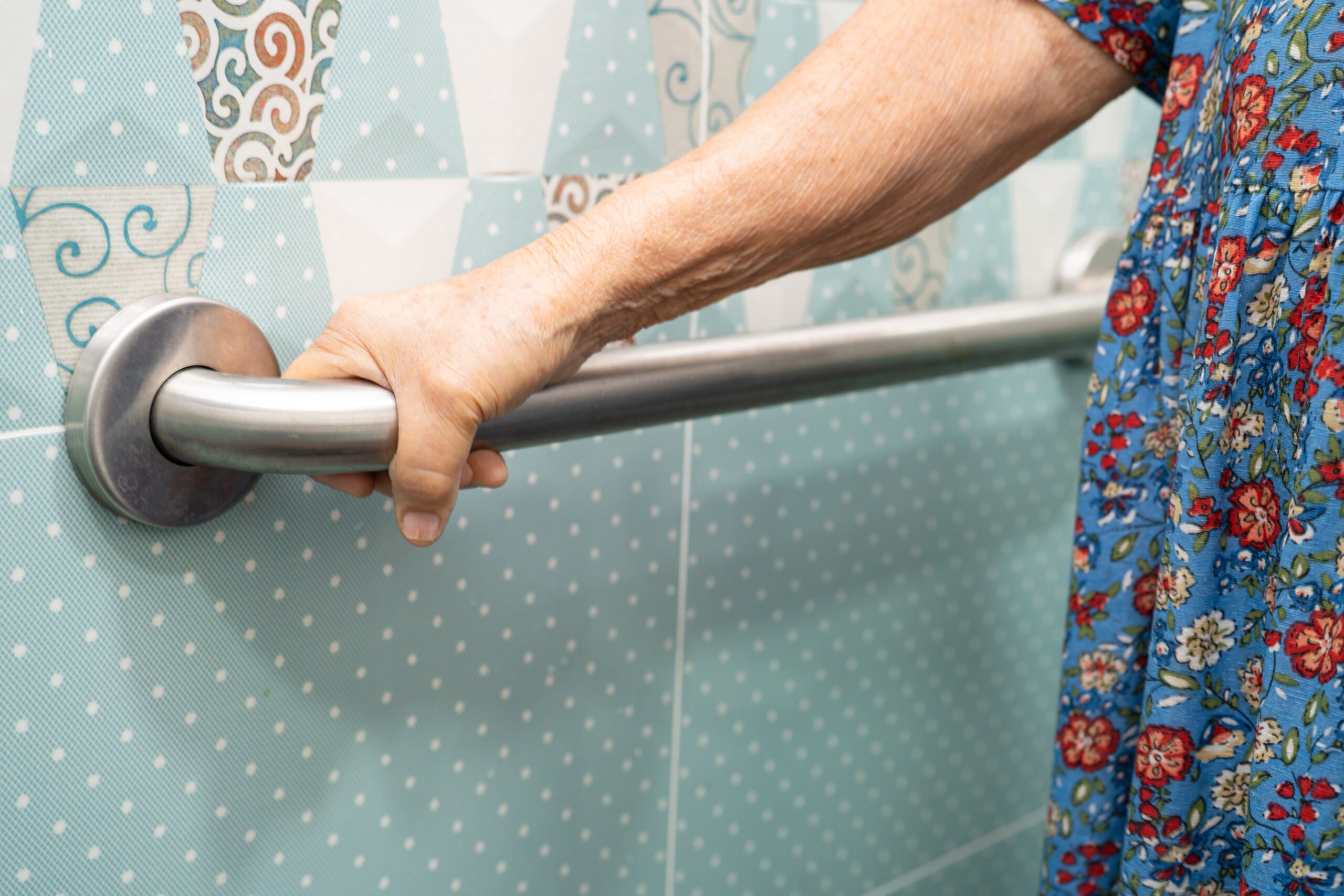
Grab Bars (Most Important)
- Install sturdy, wall-mounted grab bars next to the toilet (for sitting and rising)
- Install grab bars inside the shower or tub (vertical for standing, horizontal for entering/exiting)
- Choose bars with textured grips for wet hands
- Ensure professional installation into wall studs (towel racks are NOT safe substitutes)
- Research shows grab bars help people regain lost balance 75.8% of the time
Non-Slip Surfaces
- Place rubber-backed bath mats inside the tub or shower
- Add non-slip mats on the floor outside the tub/shower
- Consider adhesive anti-slip strips for additional traction
- Replace mats when they show signs of wear
Toilet Safety
- Install a raised toilet seat (adds 2-6 inches of height) to reduce strain when sitting/rising
- Consider models with built-in armrests for additional support
- A toilet safety frame provides handles on both sides
Shower/Tub Safety
- Use a shower chair or bath bench for seated bathing
- Install a handheld showerhead with a long hose for control while seated
- Consider a walk-in shower or a walk-in tub to eliminate stepping over high walls
- Use a transfer bench that spans the tub edge for safe entry
Lighting
- Install bright lighting above the sink, around the toilet, and inside the shower
- Add motion-sensor night lights for nighttime bathroom visits
- Consider motion-activated toilet lights that illuminate without disturbing sleep
- Ensure light switches are accessible from the doorway
Additional Bathroom Tips
- Remove loose rugs (or use rugs with non-skid backing secured to the floor)
- Keep frequently used items at waist height to avoid reaching or bending
- Set water heater to 120°F maximum to prevent scalds (or install anti-scald devices)
- Keep a clear path between the bathroom door and the toilet
- Consider a medical alert device with a waterproof button for the bathroom
Stairs: The Second Most Dangerous Area
Falls on stairs often cause serious injuries due to the distance and hard surfaces involved.
Essential Stair Modifications:
Handrails
- Install sturdy handrails on both sides of all stairways
- Handrails should extend the full length of the stairs
- Ensure handrails are securely mounted and can support full body weight
- Rails should be easy to grip (round shape, 1.25-2 inches in diameter)
Lighting
- Install bright overhead lighting for the entire stairway
- Place light switches at both the top and the bottom of the stairs
- Consider motion-sensor lights that activate automatically
- Add LED strip lights along stair edges for visibility
Stair Surfaces
- Ensure all carpeting is secure (no loose edges)
- Add non-slip treads or strips to each step
- Use contrasting colors on stair edges so steps are clearly visible
- Repair any loose, broken, or uneven steps immediately
Additional Stair Safety
- Keep stairs completely clear of clutter
- Never store items on stairs “temporarily”
- If climbing stairs becomes difficult, consider a stair lift
- Ensure outdoor steps have the same safety features as indoor stairs
Bedroom: Where Many Night Falls Occur
Many falls occur when seniors get up at night, often to use the bathroom.
Essential Bedroom Modifications:
Lighting
- Place a lamp or light switch within arm’s reach of the bed
- Install motion-sensor night lights that activate when you get up
- Consider a bed sensor light that illuminates when your feet touch the floor
- Keep a flashlight on the nightstand as backup
Bed Safety
- Ensure the bed is at a comfortable height (too low makes rising difficult; too high increases fall risk)
- Consider a bed rail for support when getting in/out
- Remove wheels from the bed frame or use wheel locks
- Keep a phone within reach in case of an emergency
Clear Pathways
- Create a clear path from bed to bathroom and light switches
- Remove all clutter from the floor
- Ensure furniture doesn’t obstruct the walking path
- Consider removing or securing area rugs
Living Areas and Hallways
Furniture Arrangement
- Arrange furniture to create clear, wide walking paths
- You should never have to weave around furniture to move through a room
- Ensure furniture is sturdy enough to lean on if needed
- Remove low furniture that’s easy to trip over (ottomans, footstools, magazine racks)
Floor Safety
- Remove or secure all throw rugs with double-sided tape or non-slip backing
- Test rugs by pushing on them—if they slide, add rubber matting underneath or remove them
- Repair frayed carpet, torn linoleum, or loose floorboards immediately
- Keep all floors clear of clutter (books, magazines, boxes, pet toys)
Electrical Cords
- Keep cords out of walkways completely
- Use cord covers or tape cords along walls
- Consider wireless devices to reduce cord clutter
- Never run cords under rugs
Lighting
- Ensure adequate lighting throughout all living spaces
- Use higher wattage bulbs (or brighter LED equivalents)
- Install light switches at every room entrance so you never walk through dark spaces
- Add table lamps in areas far from overhead lights
Kitchen
Storage
- Store frequently used items at waist to shoulder height
- Use a sturdy step stool with handrails if you must reach high shelves
- Never stand on chairs or unstable surfaces
- Keep heavy items in lower cabinets
Floor Safety
- Clean spills immediately
- Use rubber-backed mats in front of the sink and stove
- Keep floors dry and free of grease
- Never leave cabinet doors or drawers open in walkways
Appliance Safety
- Ensure appliance cords don’t hang over counter edges
- Keep frequently used appliances on the counter to avoid lifting
Entryways and Outdoors
Entry Points
- Install bright lighting at all entrances
- Add handrails on both sides of the exterior steps
- Ensure doormats are secured or have non-slip backing
- Remove raised thresholds where possible, or paint them a contrasting color
Outdoor Areas
- Keep walkways clear of leaves, snow, ice, and debris
- Repair cracked or uneven sidewalks and steps
- Install handrails along garden paths if you enjoy outdoor time
- Use outdoor motion-sensor lights that illuminate walkways at night
- Consider non-slip coatings on outdoor steps
Lighting: Your First Line of Defense
Poor lighting is a major contributor to falls among seniors. As we age, our eyes require more light to see clearly—a 60-year-old may need three times as much light as a 20-year-old for the same task.
Lighting Best Practices
General Recommendations:
- Use bright, even lighting throughout the home
- Eliminate shadows and dark corners where hazards can hide
- Choose LED bulbs—they’re brighter, last longer, and produce less glare
- Avoid bare bulbs; use diffused lighting to prevent glare
Strategic Lighting Placement:
- Light switches at every room entrance
- Light switches at the top and bottom of the stairs
- Lamps within reach of the bed and favorite chairs
- Motion-sensor lights in hallways, bathrooms, and stairs
- Night lights in bathrooms, hallways, and bedrooms
Night Lighting Considerations:
- Use amber or warm-colored night lights—they’re less disruptive to sleep than bright white ones
- Motion-sensor lights are ideal for nighttime bathroom trips
- Consider bed-mounted lights that activate when feet touch the floor
- Ensure a continuous lit pathway from the bedroom to the bathroom
Technology Solutions
Modern lighting technology offers excellent options for seniors:
- Smart lights controlled by voice commands or a smartphone
- Motion-sensor lights that turn on automatically
- Remote-controlled bulbs operated from the nightstand
- Programmable lights that adjust throughout the day
Medication Management: A Hidden Fall Risk
Many seniors don’t realize that their medications can significantly increase their risk of falls.
High-Risk Medication Categories
According to the American Geriatrics Society Beers Criteria and 2024-2025 research, these medication types increase fall risk:
Sedatives and Sleep Aids
- Benzodiazepines (Valium, Xanax, Ativan)
- Non-benzodiazepine sleep medications (Ambien, Lunesta)
- These medications cause drowsiness, impaired balance, and slowed reaction time
Anticholinergic Medications
- Over-the-counter allergy medicines (diphenhydramine/Benadryl)
- Some bladder medications
- Certain antidepressants
- These cause dizziness, confusion, blurred vision, and sedation
- 2025 research confirms high anticholinergic burden is linked to reduced mobility and increased dementia risk
Other High-Risk Medications
- Blood pressure medications (can cause dizziness when standing)
- Antidepressants
- Antipsychotics
- Opioid pain medications
- Muscle relaxants
What You Can Do
- Review all medications (including over-the-counter) with your doctor or pharmacist
- Ask specifically: “Do any of my medications increase my fall risk?”
- Never stop medications without consulting your doctor
- Report any dizziness, drowsiness, or balance problems to your doctor immediately
- Be extra cautious when starting new medications or changing doses
- Ask about alternatives to high-risk medications when possible
Physical Fitness: Your Best Fall Prevention Tool
While home modifications remove hazards, staying physically active builds the strength and balance needed to prevent falls.
What the Research Shows
The US Preventive Services Task Force (June 2024) recommends exercise interventions that include:
- Gait training (improving walking patterns)
- Balance exercises
- Strength training (especially lower body)
- Functional training (practicing daily movement patterns)
Evidence-Based Exercise Programs
Tai Chi
- Shown to reduce falls by up to 50% in some studies
- Improves balance, flexibility, and body awareness
- Gentle enough for most fitness levels
Otago Exercise Program
- Specifically designed for fall prevention
- Focuses on leg strength and balance
- Can be done at home
Walking
- Builds leg strength and cardiovascular fitness
- Improves balance and coordination
- Aim for 30 minutes daily if possible
Chair Exercises
- Great for those with mobility limitations
- Build strength without fall risk
- Many can be done while watching TV
Balance Exercises to Do at Home
Simple exercises you can practice daily:
- Standing on one foot (holding a counter for support)
- Heel-to-toe walking
- Shifting weight side to side
- Sit-to-stand exercises from a chair
- Calf raises while holding a counter
Important: Always consult your doctor before starting an exercise program, and work with a physical therapist if you have significant balance issues.
Footwear and Foot Health
What you put on your feet matters more than you might think.
Safe Footwear Guidelines
Choose shoes that:
- Fit properly (not too loose, not too tight)
- Have low, sturdy heels
- Have non-slip soles with good traction
- Provide good arch support
- Have backs (avoid backless slides and flip-flops)
- Are securely fastened (laces, velcro, or buckles)
Avoid:
- Slippery-soled dress shoes
- High heels
- Worn-out shoes with smooth soles
- Going barefoot or wearing only socks (especially on hard floors)
- Loose slippers without backs
Foot Health
Many seniors develop foot problems that affect balance:
- Have regular foot exams with a podiatrist
- Keep toenails trimmed properly
- Address bunions, corns, or calluses that cause pain
- Treat numbness or tingling (may indicate diabetes or other conditions)
- Check feet daily for problems
Vision and Hearing: The Sensory Connection
Both vision and hearing play crucial roles in balance and fall prevention.
Vision
Poor vision directly increases fall risk:
- Get annual eye exams
- Keep glasses prescription current
- Wear glasses consistently (don’t leave them in another room)
- Be cautious with bifocals on stairs (the reading portion can blur step edges)
- Consider single-vision glasses for walking and separate reading glasses
- Address cataracts and other conditions promptly
- The 2024 Lancet Commission on Dementia added untreated vision loss as a dementia risk factor—another reason to prioritize eye health
Hearing
Hearing loss affects balance more than most people realize:
- Get hearing tested regularly
- Use hearing aids if recommended—studies show they reduce fall risk
- Hearing loss is one of the 14 modifiable risk factors for dementia identified by the 2024 Lancet Commission
- Good hearing helps you stay aware of your environment and potential hazards
Nutrition and Hydration
What you eat and drink affects your fall risk.
Key Nutritional Factors
Vitamin D
- Vitamin D deficiency is a CDC-recognized fall risk factor
- Essential for bone health AND muscle function
- Many seniors are deficient
- Ask your doctor about testing and supplementation
Calcium
- Essential for bone strength
- Reduces fracture severity if a fall occurs
- Found in dairy products, leafy greens, and fortified foods
Protein
- Essential for maintaining muscle mass and strength
- Many seniors don’t get enough protein
- Aim for protein at every meal
Overall Nutrition
- Eating well helps maintain strength and energy
- Malnutrition leads to weakness and instability
- A balanced diet supports overall health and resilience
Hydration
Dehydration can cause:
- Dizziness
- Confusion
- Low blood pressure when standing
- All of these increase fall risk
Aim for adequate fluid intake throughout the day (ask your doctor about specific amounts based on your health conditions).
Technology and Alert Systems
Modern technology offers additional layers of protection.
Medical Alert Systems
If you fall and can’t get up, a medical alert device can be life-saving:
- Wearable alert buttons (necklace or wristband) connect you to 24/7 help
- Waterproof versions can be worn in the shower (where many falls occur)
- Fall detection technology automatically calls for help if you fall
- GPS-enabled devices work outside the home
Smart Home Technology
- Smart speakers (Alexa, Google Home) can make calls hands-free
- Video doorbells eliminate rushing to answer the door
- Smart locks allow keyless entry
- Motion-sensor lights throughout the home
- Medical reminder apps help with medication timing
Home Safety Assessment Checklist
Use this checklist to evaluate your home:
Bathroom
- ☐ Grab bars installed next to the toilet
- ☐ Grab bars inside the shower/tub
- ☐ Non-slip mats in tub/shower and on floor
- ☐ Raised toilet seat (if needed)
- ☐ Shower chair or bath bench (if needed)
- ☐ Handheld showerhead
- ☐ Adequate lighting
- ☐ Night light
- ☐ Clear pathway to the toilet
Stairs
- ☐ Handrails on both sides
- ☐ Handrails are secure and easy to grip
- ☐ Bright lighting throughout
- ☐ Light switches at top and bottom
- ☐ Non-slip treads on each step
- ☐ No clutter on stairs
- ☐ Contrasting colors on step edges
Bedroom
- ☐ Lamp/light switch within reach of bed
- ☐ Night light for the pathway to the bathroom
- ☐ Bed at appropriate height
- ☐ Clear path from bed to bathroom
- ☐ Phone within reach
- ☐ No clutter on the floor
Living Areas
- ☐ Clear walking paths through all rooms
- ☐ Furniture arranged to avoid obstacles
- ☐ No throw rugs OR rugs secured with non-slip backing
- ☐ No electrical cords in walkways
- ☐ Adequate lighting throughout
- ☐ Light switches at room entrances
Kitchen
- ☐ Frequently used items at accessible height
- ☐ Step stool with handrails (if needed)
- ☐ Non-slip mats at sink and stove
- ☐ Spills cleaned immediately
- ☐ Cabinet doors kept closed
Entryways
- ☐ Outdoor lighting at all entrances
- ☐ Handrails on exterior steps
- ☐ Secure, non-slip doormats
- ☐ Walkways clear of debris
- ☐ Uneven surfaces repaired
How All Heart Home Care Helps Prevent Falls
At All Heart Home Care, we understand that fall prevention is essential to helping seniors live safely and independently at home. Our professionally trained caregivers provide comprehensive support, including:
Home Safety Assessment
When you begin home care services, we conduct a thorough home safety assessment and recommend modifications to reduce fall risk. This is an essential first step for any senior who wants to age in place safely.
Daily Fall Prevention Support
Home Organization and Hazard Removal
- Arranging furniture for clear walking paths
- Removing clutter and trip hazards
- Keeping floors clean and dry
- Organizing items at accessible heights
Mobility Assistance
- Safe assistance moving between rooms
- Support for bathroom use (toileting, bathing, dressing)
- Accompaniment on walks to maintain strength
- Help getting in and out of bed safely
Medication Management
- Reminders to take medications as prescribed
- Monitoring for side effects like dizziness
- Coordination with healthcare providers
- Ensuring medications are taken consistently
Nutritious Meal Preparation
- Preparing balanced meals that support strength and energy
- Ensuring adequate hydration throughout the day
- Accommodating dietary restrictions and preferences
- Meals designed to meet seniors’ specific nutritional needs
Housekeeping and Spill Prevention
- Regular cleaning to maintain safe floors
- Immediate cleanup of any spills
- Maintaining clutter-free living spaces
- Ensuring adequate lighting throughout the home
Transportation to Appointments
- Driving to the doctor’s appointments
- Ensuring vision, hearing, and foot health are addressed
- Support for physical therapy appointments
- Transportation to exercise classes and social activities
Exercise and Physical Activity Support
- Encouraging daily movement and walks
- Assistance with prescribed exercises
- Support for balance and strength activities
- Companionship for safe physical activity
24-Hour Care When Needed
For seniors at high fall risk, 24-hour care provides:
- Overnight supervision for nighttime bathroom trips
- Immediate assistance if a fall occurs
- Continuous monitoring and support
- Peace of mind for the whole family
Take Action Today
Falls are not an inevitable part of aging. With the proper modifications and support, you can significantly reduce your risk and maintain your independence.
Start with These Three Steps:
- Walk through your home with fresh eyes, looking for hazards using the checklist above
- Talk to your doctor about your fall risk, medications, and exercise programs
- Contact All Heart Home Care for a professional home safety assessment
All Heart Home Care
Our rates begin at $37/hour, with transparent pricing, no hidden fees, and personalized care plans tailored to your needs.
Call us at (619) 736-4677 for a free in-home consultation.
We’ll assess your home’s safety, discuss your needs, and develop a care plan to help you stay safe, independent, and thriving at home.
Key Takeaways
- Falls are the leading cause of injury among seniors—but they’re preventable
- 14 million seniors fall each year; falling once doubles your risk of falling again
- More than 60% of falls happen at home, and 80% occur in the bathroom
- Home modifications reduce fall risk by up to 40% when implemented properly
- Grab bars are essential in bathrooms—they help regain balance 75.8% of the time
- Lighting is critical—60% of seniors’ falls are linked to poor lighting
- Medications increase risk—review all medications with your doctor
- Exercise prevents falls—balance and strength training are proven effective
- Vision and hearing matter—get regular exams and use prescribed aids
- Professional home care provides daily support for fall prevention
Sources (2024-2025)
✓ CDC Data Brief (June 2025) — Unintentional Fall Deaths in Adults Age 65 and Older: United States, 2023
✓ CDC MMWR (2023) — Nonfatal and Fatal Falls Among Adults Aged ≥65 Years, 2020-2021
✓ CDC Facts About Falls (2024) — Older Adult Fall Prevention data and statistics
✓ US Preventive Services Task Force (June 2024) — Interventions to Prevent Falls in Community-Dwelling Older Adults
✓ Healthcare Systematic Review (March 2025) — Home Modifications for Aging in Place in Older Adults (20 studies analyzed)
✓ 2025 National Falls Prevention Action Plan — National Council on Aging
✓ JMIR Aging (November 2025) — Home-Based Exercise and Fall Prevention: Otago Protocol mobile app validation
✓ Fall Prevention Foundation (2025) — Bathroom safety and grab bar placement guidelines
✓ American Geriatrics Society Beers Criteria (2024) — Potentially harmful medications for older adults
✓ 2024 Lancet Commission on Dementia — 14 modifiable risk factors, including vision loss and hearing loss