Your 78-year-old father caught what seemed like a simple cold.
A week later, he was in the hospital — struggling to breathe, confused, and fighting for his life.
The diagnosis: pneumonia.
And it almost killed him.
This story is far too common. Pneumonia remains one of the deadliest diseases for older adults, and many families don’t understand just how dangerous it is — or how preventable it can be.
The statistics are sobering:
- Pneumonia and influenza combined are the 5th leading cause of death among adults 65 and older
- Over 41,000 Americans die from pneumonia each year
- Seniors 85+ have hospitalization rates over 4,300 per 100,000 — the highest of any age group
- Mortality rates for seniors with pneumonia range from 10-30%
- Nursing home residents have nearly 2x the death rate from pneumonia compared to community-dwelling seniors
But here’s what many people don’t realize: Most pneumonia deaths in seniors are preventable.
With the right vaccines, lifestyle habits, and early detection, you can dramatically reduce the risk that pneumonia will cut short your golden years — or take a beloved family member too soon.
This comprehensive guide covers everything seniors and their families need to know about preventing this deadly disease.
Understanding Pneumonia: Why It’s So Dangerous for Seniors
What Is Pneumonia?
Pneumonia is an infection that inflames the air sacs (alveoli) in one or both lungs.
When infection occurs:
- Air sacs fill with fluid or pus
- Oxygen exchange is impaired
- Breathing becomes difficult and painful
- The body struggles to get enough oxygen
Common symptoms include:
- Cough (often with phlegm)
- Fever, sweating, and chills
- Shortness of breath
- Chest pain when breathing or coughing
- Fatigue and weakness
- Nausea, vomiting, or diarrhea
- Confusion (especially in older adults)
Why Pneumonia Is More Dangerous for Seniors
Multiple factors make older adults more vulnerable:
Weakened Immune System
Immunosenescence — the gradual decline of the immune system with age — makes it harder for seniors to fight off infections.
- Reduced antibody production
- Slower immune response
- Less effective T-cells and B-cells
- Reduced inflammation control
Reduced Lung Capacity
Age-related lung changes:
- Decreased lung elasticity
- Weaker respiratory muscles
- Reduced ability to clear secretions
- Less effective cough reflex
More Underlying Conditions
Chronic diseases that increase pneumonia risk:
- COPD and chronic lung disease
- Heart disease and heart failure
- Diabetes
- Chronic kidney disease
- Chronic liver disease
- Immunocompromising conditions
NEW Research (2024): A Spanish study found that seniors with chronic medical conditions are 66 times more likely to be hospitalized for pneumococcal pneumonia than those without such conditions.
Medication Effects
Many medications increase pneumonia risk:
- Proton pump inhibitors (stomach acid reducers)
- Sedatives (impair cough reflex)
- Immunosuppressants
- Certain diabetes medications
Atypical Symptoms
Seniors often don’t show “classic” pneumonia symptoms:
- May not have fever (or have low-grade fever)
- Cough may be mild or absent
- May present primarily with confusion or delirium
- May show weakness, dizziness, or falls
- May have loss of appetite
This makes early detection challenging — by the time pneumonia is recognized, it may already be severe.
The Numbers: Pneumonia’s Impact on Seniors (2024-2025)
Pneumonia remains a major killer of older adults:
| Measure | Statistic |
|---|---|
| Deaths from pneumonia (all ages) | 41,000+ annually |
| Death rate for seniors | 93.2 per 100,000 |
| Hospitalization rate (ages 65-74) | ~1,700 per 100,000 |
| Hospitalization rate (ages 75-84) | ~2,450 per 100,000 |
| Hospitalization rate (ages 85+) | ~4,300 per 100,000 |
| ER visits for pneumonia | 1.2 million+ annually |
| Cost of pneumonia care | $34+ billion annually |
Mortality after hospitalization:
- During hospitalization: 6.5%
- At 30 days: 13%
- At 6 months: 23.4%
- At 1 year: 30.6%
Nursing home residents are at particular risk:
- 4.3x higher incidence than community-dwelling seniors
- Nearly 2x higher death rate (30.8% vs. 16.0%)
- Nursing home-acquired pneumonia is the primary cause of hospital transfers from nursing facilities
Types of Pneumonia
Understanding the different types helps with prevention:
Bacterial Pneumonia
The most common and most dangerous in seniors.
Primary cause: Streptococcus pneumoniae (pneumococcus) — causes 19-58% of cases
Other bacteria: Haemophilus influenzae, Staphylococcus aureus, Moraxella catarrhalis
Characteristics:
- Often more severe
- Usually responds to antibiotics
- Preventable with the pneumococcal vaccine
Viral Pneumonia
Caused by respiratory viruses:
- Influenza (flu) — major cause
- RSV (respiratory syncytial virus)
- COVID-19
- Other respiratory viruses
Characteristics:
- Can lead to secondary bacterial pneumonia
- The flu vaccine helps prevent influenza-related pneumonia
- Often harder to treat than bacterial
Aspiration Pneumonia
Caused by inhaling food, liquid, or saliva into the lungs.
Risk factors:
- Difficulty swallowing (dysphagia)
- GERD (acid reflux)
- Reduced consciousness
- Neurological conditions (stroke, Parkinson’s, dementia)
- Poor dental health
Important for seniors: Aspiration pneumonia becomes more common with age and is a significant concern in advanced dementia.
Healthcare-Associated Pneumonia
Acquired in hospitals or nursing homes:
- Hospital-acquired pneumonia (HAP)
- Ventilator-associated pneumonia (VAP)
- Nursing home-acquired pneumonia (NHAP)
Characteristics:
- Often caused by antibiotic-resistant organisms
- Higher mortality rates
- Common in nursing home residents
How to Prevent Pneumonia: Evidence-Based Strategies
1. Get Vaccinated (Most Important)
Vaccination is the single most effective way to prevent pneumonia in seniors.
Pneumococcal Vaccine (CRITICAL UPDATE for 2024-2025)
Significant change (October 2024): CDC now recommends pneumococcal vaccination for all adults 50 and older, down from 65.
Current vaccines:
| Vaccine | Serotypes Covered | Notes |
|---|---|---|
| PCV21 (CAPVAXIVE) | 21 serotypes | NEW (approved June 2024); specifically designed for adult disease serotypes; covers ~86.5% of invasive pneumococcal disease |
| PCV20 (Prevnar 20) | 20 serotypes | One-shot protection; covers ~59% of adult disease |
| PCV15 (Vaxneuvance) | 15 serotypes | Must be followed by PPSV23 |
| PPSV23 (Pneumovax23) | 23 serotypes | Used after PCV15; older vaccine |
Who should get vaccinated:
✓ All adults 50 and older (new age threshold as of October 2024)
✓ Adults 19-49 with risk conditions:
- Chronic heart, lung, or liver disease
- Diabetes
- Chronic kidney disease
- Immunocompromising conditions
- Cochlear implants
- CSF leaks
- Smoking
What to get:
If you’ve NEVER had a pneumococcal vaccine:
- One dose of PCV20, PCV21, or PCV15 followed by PPSV23 (at least 1 year later)
If you previously received only PPSV23:
- One dose of PCV20 or PCV21 (at least 1 year after PPSV23)
If you previously received PCV13:
- Discuss with your doctor — may be candidates for PCV20 or PCV21
KEY FACT: Only 24.9% of U.S. adults have received pneumococcal vaccination — leaving three-quarters unprotected!
Influenza (Flu) Vaccine
Annual flu vaccination is essential for seniors — flu is a significant cause of pneumonia.
Recommended vaccines for seniors 65+:
CDC and ACIP preferentially recommend enhanced flu vaccines for seniors:
- Fluzone High-Dose — Contains 4x the antigen of standard vaccines; 24% more effective in preventing flu in seniors
- Fluad (Adjuvanted) — Contains an immune-boosting adjuvant; better immune response
- Flublok (Recombinant) — Contains 3x standard antigen; good for egg allergies
Why high-dose/adjuvanted vaccines matter:
- Seniors’ immune systems respond less robustly to standard vaccines
- Enhanced vaccines produce better antibody responses
- Real-world studies show better protection against hospitalization
NEW Research (2024-2025): Studies confirm high-dose flu vaccines are 9-17% more effective than standard-dose flu vaccines in preventing flu-related medical visits in seniors. In 515 older adults, one additional hospitalization is prevented when high-dose is used instead of standard-dose.
When to get vaccinated:
- September-October is ideal (before flu season peaks)
- Can be given the same day as pneumococcal and COVID vaccines
COVID-19 Vaccine
COVID-19 can cause severe pneumonia, especially in seniors.
Current recommendations (2024-2025):
- Updated COVID vaccine recommended for everyone 6 months+
- Two doses recommended for adults 65+ (6 months apart)
- Additional doses for immunocompromised individuals
RSV Vaccine (NEW)
RSV (Respiratory Syncytial Virus) is a significant cause of pneumonia in seniors.
Current recommendations:
- RSV vaccine recommended for all adults 75 and older
- Also recommended for adults 60-74 with risk factors (through shared decision-making)
- One-time vaccination
2. Practice Excellent Hygiene
Pneumonia-causing organisms spread through respiratory droplets and contaminated surfaces.
Hand Hygiene
✓ Wash your hands frequently with soap and water for at least 20 seconds
✓ Key times to wash:
- Before eating or preparing food
- After using the bathroom
- After blowing one’s nose, coughing, or sneezing
- After touching public surfaces
- After contact with anyone who is ill
- Before and after visiting healthcare settings
✓ Use hand sanitizer (at least 60% alcohol) when soap is unavailable
Respiratory Hygiene
✓ Cover coughs and sneezes with elbow or tissue (not hands)
✓ Dispose of tissues immediately and wash your hands
✓ Avoid touching your face (eyes, nose, mouth) with unwashed hands
Avoid Sick People
✓ Stay away from people with respiratory infections
✓ Ask sick family members to stay away until they recover
✓ Avoid crowded places during flu season when possible
✓ Consider wearing a mask in crowded settings during respiratory illness season
3. Maintain Excellent Oral Hygiene
Many don’t realize that oral health is directly linked to pneumonia risk.
The connection:
- Bacteria from the mouth can be aspirated into the lungs
- Poor oral health = higher bacterial load
- Gum disease and tooth decay provide bacterial reservoirs
- Dentures can harbor bacteria if not cleaned properly
Research shows that good oral hygiene reduces the risk of pneumonia by up to 40% in high-risk populations.
Oral hygiene practices:
✓ Brush teeth twice daily (electric toothbrush recommended for seniors with dexterity issues)
✓ Floss daily
✓ Clean dentures daily and remove them at night
✓ See a dentist regularly for cleanings and checkups
✓ Treat gum disease and tooth decay promptly
✓ Stay hydrated (dry mouth increases bacterial growth)
4. Don’t Smoke (And Avoid Secondhand Smoke)
Smoking dramatically increases pneumonia risk.
How smoking damages lungs:
- Destroys cilia (hair-like structures that clear mucus and bacteria)
- Impairs immune function in the lungs
- Causes chronic inflammation
- Damages lung tissue
- Increases risk of respiratory infections
Secondhand smoke: Also harmful — avoid exposure
It’s never too late to quit:
- Lung function improves within weeks of quitting
- Infection risk decreases over time
- Many resources available (talk to a doctor, call 1-800-QUIT-NOW)
5. Eat Well and Stay Nourished
Nutrition directly affects immune function.
Key nutrients for immune health:
✓ Protein — Essential for antibody production (fish, poultry, beans, eggs)
✓ Vitamin C — Supports immune function (citrus, berries, peppers, broccoli)
✓ Vitamin D — Critical for respiratory health (fortified foods, sunlight, supplements)
✓ Zinc — Supports immune response (meat, shellfish, legumes, nuts)
✓ Vitamin E — Antioxidant protection (nuts, seeds, vegetable oils)
Malnutrition increases pneumonia risk:
- Weakens the immune system
- Impairs wound healing
- Reduces energy for recovery
- Common in seniors (1 in 2 hospitalized seniors are malnourished)
Strategies:
- Eat balanced meals with protein at each meal
- Include colorful fruits and vegetables
- Stay hydrated (dehydration thickens mucus)
- Consider nutritional supplements if the diet is inadequate
- Address any swallowing difficulties (see doctor)
6. Stay Physically Active
Exercise strengthens the immune system and improves lung function.
Benefits for pneumonia prevention:
- Improves lung capacity
- Strengthens respiratory muscles
- Enhances immune function
- Helps clear respiratory secretions
- Improves overall health
Recommended activities:
- Walking (30 minutes most days)
- Swimming or water aerobics
- Gentle cycling
- Tai chi or yoga
- Deep breathing exercises
Even light activity helps — some movement is better than none.
7. Get Adequate Rest and Manage Stress
Sleep deprivation and chronic stress impair immune function.
Sleep recommendations:
- 7-9 hours per night (quality matters)
- Address sleep disorders (sleep apnea is common in seniors)
- Maintain a consistent sleep schedule
Stress management:
- Chronic stress suppresses immune function
- Practice relaxation techniques
- Stay socially connected
- Engage in enjoyable activities
8. Manage Chronic Conditions
Well-controlled chronic diseases reduce pneumonia risk.
Key conditions to manage:
✓ Diabetes — High blood sugar impairs immune function
✓ COPD/Asthma — Follow treatment plan, use inhalers as prescribed
✓ Heart disease — Take medications as directed
✓ GERD — Control acid reflux (reduces aspiration risk)
✓ Dysphagia — Work with a speech therapist for swallowing safety
9. Prevent Aspiration
Aspiration pneumonia is common in seniors with swallowing difficulties.
Risk factors:
- Stroke
- Parkinson’s disease
- Dementia
- GERD
- Neurological conditions
- History of aspiration
Prevention strategies:
✓ Sit upright during and after meals (30 minutes minimum)
✓ Eat slowly and take small bites
✓ Thicken liquids if needed (thin liquids are most complex to swallow)
✓ Avoid talking while eating
✓ Work with a speech therapist for a swallowing evaluation and strategies
✓ Maintain good oral hygiene (reduces bacterial load if aspiration occurs)
✓ Elevate the head of the bed if GERD is an issue
Recognizing Pneumonia Early: Signs and Symptoms
Early detection is critical — pneumonia caught early is much more treatable.
Classic Symptoms
- Cough — May produce green, yellow, or bloody mucus
- Fever and chills — Though seniors may have low-grade or no fever
- Shortness of breath — Even with minimal activity
- Chest pain — Especially when breathing deeply or coughing
- Fatigue — Unusual exhaustion
Atypical Symptoms in Seniors (IMPORTANT)
Seniors often present differently — watch for:
- Confusion or delirium — Often the FIRST sign in elderly patients
- Weakness or falling
- Loss of appetite
- Dizziness
- Worsening of existing conditions (diabetes out of control, heart failure worsening)
- Incontinence (new or worsening)
- Decreased activity level
When to Seek Immediate Medical Care
▶ Difficulty breathing or rapid breathing
▶ Confusion or altered mental status
▶ Bluish lips or fingernails (sign of low oxygen)
▶ Chest pain
▶ High fever (over 101°F) or prolonged fever
▶ Cough with bloody mucus
▶ Symptoms worsening after initial improvement
Don’t wait: Pneumonia progresses rapidly in seniors. When in doubt, call the doctor or go to the ER.
How Home Care Helps Prevent Pneumonia
Professional caregivers play a crucial role in pneumonia prevention:
Vaccination Support
✓ Transportation to vaccination appointments
✓ Reminders about vaccine schedules
✓ Communication with healthcare providers about vaccine needs
Nutrition and Hydration
✓ Meal preparation — Nutritious meals that support immune health
✓ Grocery shopping — Ensuring healthy food is available
✓ Hydration monitoring — Encouraging adequate fluid intake
✓ Feeding assistance — Safe eating techniques for those with swallowing difficulties
Hygiene and Infection Prevention
✓ Hand hygiene assistance and reminders
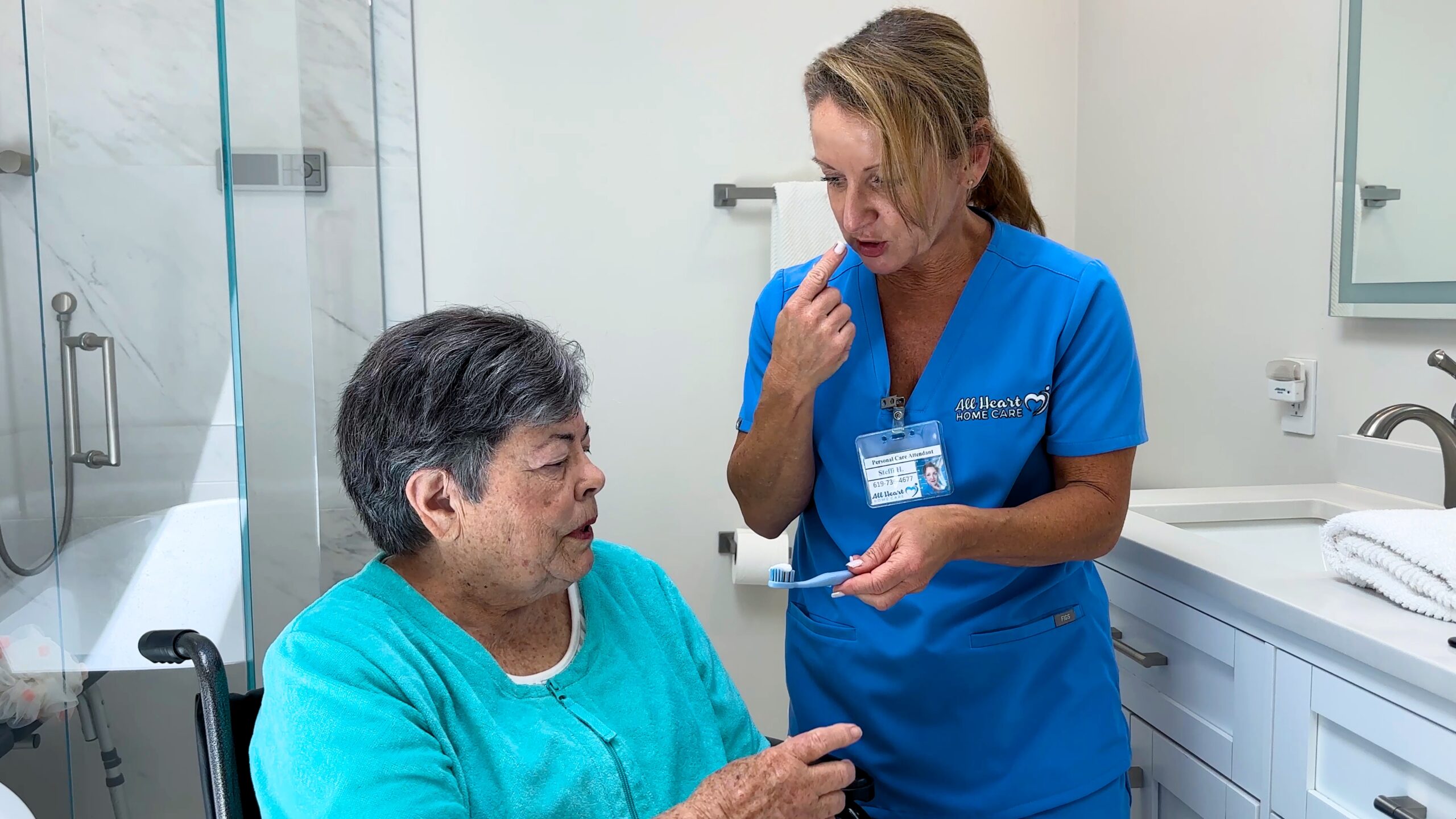
✓ Oral care — Ensuring teeth and dentures are cleaned properly
✓ Clean environment — Light housekeeping to reduce infection risk
✓ Sick visitor prevention — Caregivers are trained not to work when ill
Medication Management
✓ Medication reminders — Ensuring all medications are taken
✓ Pharmacy coordination — Picking up prescriptions
✓ Monitoring for side effects — Watching for medication-related risks
Early Detection
✓ Daily observation — Caregivers notice changes that the family might miss
✓ Temperature monitoring — When appropriate
✓ Symptom recognition — Trained to recognize warning signs
✓ Communication with family and doctors — Reporting concerns promptly
Chronic Disease Management
✓ Appointment transportation — Ensuring regular medical care
✓ Exercise assistance — Encouraging physical activity
✓ Diabetes support — Proper meals, activity encouragement
✓ COPD/asthma support — Medication reminders, monitoring
Reducing Hospital Exposure
✓ Care at home — Avoids exposure to hospital-acquired infections
✓ Fewer ER visits — Early detection prevents crises
✓ Recovery support — Care after hospitalization reduces readmission
The Bottom Line
Pneumonia is deadly — but it’s largely preventable.
Key takeaways:
✓ Get vaccinated — Pneumococcal vaccine (now recommended for all adults 50+), annual flu vaccine (high-dose for seniors), COVID vaccine, RSV vaccine (75+)
✓ Practice excellent hygiene — Hand washing, respiratory etiquette, oral care
✓ Don’t smoke — And avoid secondhand smoke
✓ Eat well and stay active — Support your immune system
✓ Manage chronic conditions — Well-controlled diseases mean lower risk
✓ Prevent aspiration — Especially important for those with swallowing difficulties
✓ Know the warning signs — Especially atypical symptoms in seniors (confusion, weakness, falls)
✓ Seek early treatment — Don’t wait until symptoms appear
✓ Consider home care — Professional caregivers help prevent pneumonia through nutrition, hygiene, vaccination support, and early detection
We Can Help
At All Heart Home Care, pneumonia prevention is part of our comprehensive approach to keeping seniors safe and healthy at home.
Our caregivers help prevent pneumonia by:
✓ Providing transportation to vaccination appointments and medical care
✓ Preparing nutritious meals that support immune health
✓ Ensuring proper hydration
✓ Assisting with oral hygiene
✓ Maintaining a clean, safe environment
✓ Managing medications to ensure compliance
✓ Monitoring for early warning signs of infection
✓ Reducing exposure to crowded environments where infections spread
✓ Supporting exercise and activity to maintain lung health
✓ Communicating with families and doctors when concerns arise
Our rates begin at $37/hour (depending on shift length), and we provide transparent pricing with no hidden fees.
Call us at (619) 736-4677 for a free consultation.
Because preventing pneumonia is far better than treating it — and the right support can make all the difference.
Resources
Vaccination Information:
- CDC Pneumococcal Vaccine Information: cdc.gov/pneumococcal
- CDC Flu Information for Seniors: cdc.gov/flu/highrisk/65over.htm
- PneumoRecs VaxAdvisor App — Free CDC app for vaccine guidance
Find Vaccines:
- Vaccines.gov — Find vaccines near you
- Local pharmacies (CVS, Walgreens, etc.)
- Your doctor’s office
- San Diego County Health Department
General Information:
- American Lung Association: lung.org
- CDC Pneumonia Information: cdc.gov/pneumonia