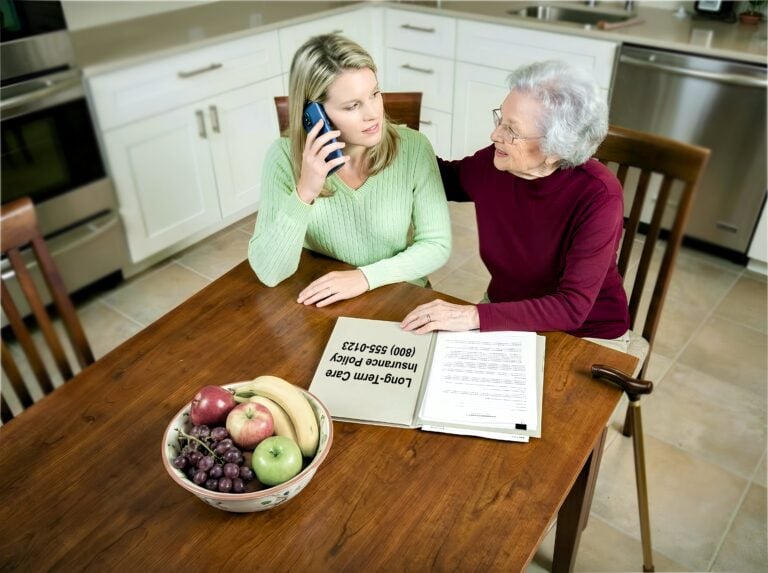

Caregiver guilt is one of the most common emotional experiences among family caregivers—and one of the least discussed. If you’ve ever felt terrible about needing time away from your loved one, you’re not alone. Research published in 2025 found that caregiver guilt affects as many as 65% of family caregivers, yet most suffer in silence, believing their feelings mean something is wrong with them.
The truth is, taking a break isn’t selfish—it’s essential for sustainable caregiving.
In this guide, we’ll explore the psychology behind caregiver guilt, practical strategies for communicating your needs to family, tips for helping your loved one accept outside help, and evidence-based techniques for shifting from guilt to self-compassion. Whether you’re considering respite care services or simply seeking support, remember: you deserve care too.
Not sure if you’re experiencing burnout? Take our Caregiver Burnout Self-Assessment Quiz to evaluate your stress levels and learn prevention strategies.
Understanding Caregiver Guilt: The Psychology Behind the Struggle
Here’s what the psychology research tells us: caregiver guilt rarely stems from actual wrongdoing. Instead, it emerges from the collision of responsibility, love, and identity that happens when someone else’s well-being matters deeply to you.
A 2025 study in the International Journal of Geriatric Psychiatry found that caregiver guilt directly explains more than 50% of its effect on depressive symptoms. The Caregiver Guilt Questionnaire, a validated assessment tool, identifies five distinct types of guilt caregivers experience: guilt about doing wrong by the care recipient, guilt about not rising to the occasion, guilt about self-care, guilt about neglecting other relatives, and guilt about having negative feelings.
Understanding these patterns can help you recognize that guilt is a common emotional response—not evidence that you’re failing.
The Five Psychological Roots of Caregiver Guilt
Research in Psychology Today identifies five distinct patterns that cause caregivers to feel guilty even when they’ve done nothing wrong:
• Responsibility without control — You feel accountable for outcomes you can’t actually change. Even when you understand you didn’t cause your loved one’s illness and can’t cure it, you may still feel responsible for how things turn out.
• Higher standards for loved ones — People judge themselves more harshly when someone they love is affected. You likely hold yourself to standards you’d never apply to a professional caregiver or distant relative in the same situation.
• Identity threats — When you can’t meet your own expectations of what a “good caregiver” should be, guilt fills the space—even when no better alternative existed.
• Counterfactual thinking — The habit of mentally replaying how things might have gone differently (“If only I had noticed sooner…”) intensifies guilt, even when no better option truly existed.
• Effort without results — When hard work doesn’t lead to improvement, self-blame often follows. In caregiving, sustained effort coupled with poor outcomes can lead to a persistent sense of personal failure.
You can do everything reasonably possible for someone you love and still feel guilty. That’s not a character flaw—it’s what happens when you care deeply.
How to Talk to Family About Needing Help
One of the hardest parts of being a primary caregiver is admitting you need help. Guilt can make you feel like asking for support means you’re failing. You might worry about burdening others, or you might face family members who assume you can keep handling everything on your own.
But reaching out for support is often the key to sustaining your caregiving journey. As researchers note, asking for help “is not about giving up or passing the burden… It’s about understanding how the quality of care you provide is directly impacted by the care you provide for yourself.”
Practical Conversation Strategies
✓ Be honest and specific about your limits — Choose a calm moment to explain that while you’re committed to caring for your loved one, you’re feeling overwhelmed or exhausted. Let them know it’s affecting your health. Being open about your feelings (without blame) helps others understand the demands you’re facing.
✓ Frame it as better care for your loved one — Explain that taking a break will ultimately benefit the person you’re caring for. Try saying: “I need to recharge so I can keep giving Mom the best care possible. Taking a few hours off each week will help me stay patient and energized for her.”
✓ Share expert information — Sometimes relatives who aren’t involved day-to-day don’t realize how demanding caregiving is. You might mention that 65% of caregivers experience guilt, or that medical professionals strongly encourage caregivers to take regular breaks. Third-party validation can help.
✓ Ask for specific help — People often don’t know how to help unless you tell them. Instead of a general “I need help,” try: “Could you come sit with Dad one evening a week so I can attend a support group?” or “Would you be able to help with the cost of hiring a professional caregiver two days a month?” Specific requests are more actionable.
✓ Keep the tone collaborative — Frame it as a family team effort: “We all want the best for Mom. I can provide better care with a little support. Can we come up with a plan together?” Involving others in solutions helps them feel included rather than accused.
By communicating openly, you may discover that your family wants to support you—they just weren’t sure how. Opening that conversation can lead to regular respite breaks and a stronger support network for everyone.
Helping Your Loved One Accept Outside Care
Even when you’ve worked through your guilt and you’re ready to use respite care, your loved one may have anxieties about accepting help from an “outsider.” It’s common for seniors to resist the idea of someone new entering their home or worry about losing independence.
These strategies can make the transition smoother:
✓ Start small and build trust — Introduce respite care gradually. Begin with short visits while you’re still around—perhaps an hour or two with a professional caregiver who can help with light tasks. Over time, increase the hours as your loved one grows comfortable.
✓ Acknowledge their feelings — Listen to your loved one’s concerns without dismissing them. Validate their experience: “I understand you’re nervous about someone new helping you.” When seniors feel heard, they’re more likely to be cooperative.
✓ Frame it as your need, not their weakness — Tell your loved one: “This helper is coming so I can run errands and take a breather—I need a little help, even though I know you’re doing fine.” This preserves their dignity while explaining the situation.
✓ Involve them in decisions — When appropriate, let your loved one participate in selecting the respite caregiver or deciding which days work best. Autonomy increases acceptance.
✓ Emphasize the positive aspects — Highlight companionship and new activities: “Mrs. Johnson loves to play cards—I think you two will enjoy that.” Focus on elements your loved one might appreciate.
✓ Maintain familiar routines — Keep their schedule consistent. If they always have tea at 3 pm, make sure the respite caregiver knows to continue that ritual. Familiarity reduces anxiety during transitions.
Reframing Your Mindset: From Caregiver Guilt to Self-Compassion
Overcoming caregiver guilt isn’t about eliminating all difficult emotions—it’s about changing how you respond to them. Research from 2025 shows that caregivers with higher levels of self-compassion report lower levels of burden, and this is at least partly due to their use of fewer dysfunctional coping strategies. Mindful self-compassion approaches have been found to reduce stress, anxiety, and emotional distress related to caregiving activities.
A clinical intervention called MASC (Mindful and Self-Compassion Care), specifically developed for dementia caregivers, combines mindfulness skills, self-compassion practices, and behavioral management strategies—showing that these techniques can be learned and applied in everyday caregiving situations.
Here are evidence-based strategies for shifting from caregiver guilt to self-compassion:
✓ Ask what you’d tell a friend — If someone else were in your situation and asked for advice, what would you say? You likely wouldn’t tell them to keep suffering in silence. Be as compassionate with yourself as you’d be with another caregiver experiencing these feelings.
✓ Replace “should” with “want” — Instead of thinking about all the things you should be doing, focus on what you want for your loved one. Want them to have nutritious meals? There are multiple ways to achieve that—you don’t have to do everything yourself.
✓ Recognize guilt as a signal, not a verdict — Feeling guilty doesn’t mean you’ve done something wrong. It often just signals that you care deeply. Acknowledge the feeling, then ask whether it’s pointing to something actionable—or whether it’s simply the weight of an impossible situation.
✓ Practice common humanity — Remember that 65% of caregivers experience guilt. You’re not alone in these feelings, and struggling doesn’t make you uniquely flawed. Connecting with other caregivers—through support groups or online communities—can reinforce this perspective.
✓ Focus on effort, not perfection — You cannot control outcomes, but you can acknowledge the effort and love you bring to caregiving every day. That counts—even when things don’t go as planned.
Respite Services for San Diego Families
Finding the right support makes all the difference in managing guilt. All Heart Home Care is a veteran-owned, nurse-led San Diego agency that understands the challenges family caregivers face. We offer flexible respite care services that let you take a break—whether for a few hours, a full day, or longer.
Our respite services include:
- Personal care assistance (bathing, dressing, grooming)
- Light housekeeping and cooking nutritious meals
- Medication reminders
- Mobility assistance and fall prevention
- Meaningful companionship and engagement
- Transportation to appointments or errands
You can rest assured that All Heart’s caregivers are trained, bonded, and compassionate. Your loved one will be in capable hands, treated with the same kindness and respect you give them. This peace of mind allows you to truly make the most of your time away—guilt-free.
References
- Rasby, S.O. (2025). Indirect effects of caregiver guilt on depressive symptoms through psychological flexibility processes in family caregivers of people with dementia. International Psychogeriatrics.
- Losada, A., et al. (2010). Development and validation of the Caregiver Guilt Questionnaire. International Psychogeriatrics.
- Lloyd, J., et al. (2019). Self-Compassion, Coping Strategies, and Caregiver Burden in Caregivers of People with Dementia. Clinical Gerontologist.
- JMIR Research Protocols. (2024). Mindful and Self-Compassion Care Intervention for Caregivers of Persons Living With Dementia.
- Cambridge Core. (2025). Mapping the evidence of self-compassion in caregiver wellbeing. Palliative & Supportive Care.
Give Yourself Permission to Let Go of Caregiver Guilt
Overcoming caregiver guilt starts with recognizing that needing help is human—not a failure. Remind yourself that taking a break doesn’t mean you love or care for your family member any less. On the contrary, it means you’re committed to caring for them for the long haul.
If you’re a family caregiver in San Diego struggling with caregiver guilt, consider this your permission slip to pause and breathe. Respite care exists to support you. Talk with your family about sharing the load. Connect with local resources. Sometimes just talking to others who understand can lighten the load.
Above all, remember that you are doing an important job. Your loved one is fortunate to have your care and devotion. By practicing self-compassion and accepting help when needed, you ensure you can continue to be there for them.
Ready to learn more? Call All Heart Home Care at (619) 736-4677 to discuss respite care options tailored to your family’s needs. We proudly serve families throughout San Diego County.
Disclaimer: This article is for informational purposes only and does not constitute medical or mental health advice. If you’re experiencing signs of severe burnout, depression, or other mental health concerns, please consult with a qualified healthcare professional.