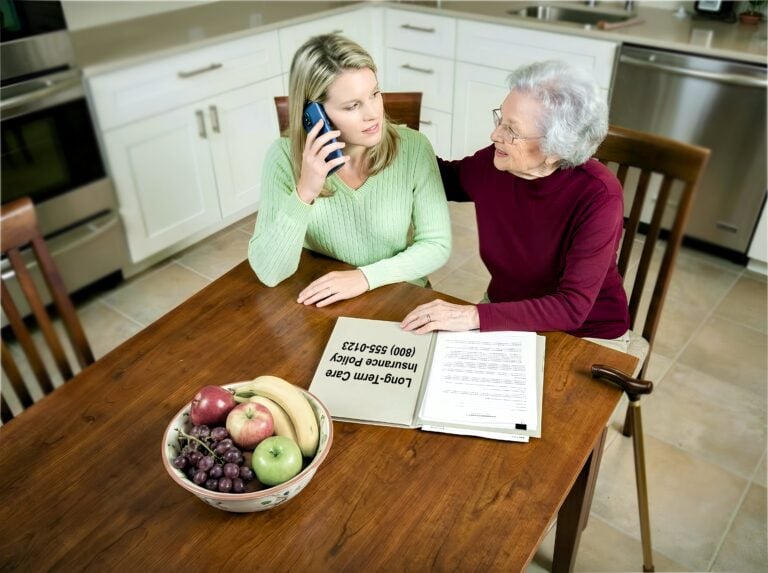

Being a family caregiver is a labor of love. You cherish the quality time spent with your aging parent or spouse, but caregiving can also be exhausting. When you’re running on fumes, it’s hard to be fully present and patient.
That’s where respite care makes a difference.
Respite care is often seen as just a break for the caregiver, but it’s actually more than that—a form of support that not only gives you time away but also enhances the time you spend with your loved one. Professional respite caregivers can step in to assist seniors with daily activities, giving you a chance to rest and recharge. Knowing your loved one is in good hands lets you truly relax. When you return, you’re more refreshed and able to share relaxed, joyful moments together—the kind of moments that make caregiving worthwhile.
The Reality of Family Caregiving in 2026
If you’re a family caregiver, you’re far from alone. According to the landmark Caregiving in the U.S. 2025 report from AARP and the National Alliance for Caregiving, approximately 63 million Americans now provide unpaid care to a family member or friend. That’s roughly one in four adults—a 45% increase from previous years.
The profile of today’s caregiver has changed as well. The average caregiver is 51 years old, and caregivers are just as likely to be millennials or Gen Z family members as they are to be older adults. Nearly 29% fall into the “sandwich generation,” caring for children and aging parents simultaneously. Among caregivers under 50, that number rises to 47%.
The demands are intensifying. Research shows that 44% of caregivers now provide high-intensity care, and 30% have been in the role for five years or more. This isn’t just picking up groceries or checking in once a week—many caregivers are managing serious, ongoing medical conditions at home, often with little formal training.
The Toll on Caregiver Health
The emotional and physical impact is significant:
- 40% to 70% of family caregivers show clinical signs of depression
- Only 36% of caregivers report “very good” mental health
- 20% report fair or poor physical health directly attributable to caregiving
- 43% experience sleep difficulties
- Nearly half (47%) receive no formal support—no counseling, no financial aid, no respite care
These numbers tell a clear story: caregivers are stretched thin, and the need for support has never been greater.
Respite Care: More Than “Time Off”—It’s Time Better Spent
As a devoted caregiver, you might feel guilty about stepping away even for a short while. But respite care is more than just “time off.” Think of it as time better spent.
By allowing a professional caregiver to look after your loved one for a few hours or days, you give yourself the opportunity to recharge. This means that when you reunite with your loved one, you can be fully present, patient, and engaged—instead of running on stress. The Alzheimer’s Association emphasizes that respite care provides caregivers with temporary rest that supports and strengthens their ability to continue caregiving effectively.
In other words, taking care of yourself is actually a vital part of taking good care of someone else.
Letting Go of the Guilt
Using respite care is not a sign of neglect or lack of love. It’s natural to worry that no one can care for your family member as well as you do. But arranging a short-term break doesn’t mean you’re “abandoning” them—it means you’re ensuring you can continue to give them your best.
Even a superhero needs time to rest their cape.
By reframing respite care as a strategy to improve the quality of your time together (rather than just an escape), you can let go of guilt. You’ll return to caregiving duties with a clearer mind and a happier demeanor, ready to create more positive memories with your loved one.
Less Stress, More Patience: How Breaks Improve Caregiving
One of the biggest benefits of taking occasional breaks is reduced caregiver stress. When you’re caregiving around the clock, stress and fatigue build up, often leading to irritability or burnout. Respite care serves as a pressure valve, allowing you to step back and reset.
The research backs this up. A 2025 study published in Frontiers in Health Services found that caregivers who participated in respite programs reported significant declines in caregiver burden. Another evaluation of Maine’s Respite for ME program confirmed that access to respite services reduced caregiver burnout and increased overall well-being, with caregivers reporting feeling more supported and less isolated.
This renewed energy translates into greater patience and a more positive mindset. Instead of feeling on edge or exhausted, you’ll have the capacity to truly enjoy interactions with your parent or spouse.
Strengthening Your Relationship
Taking time for yourself can actually strengthen your relationship with the person you care for. A short break prevents resentment and fatigue from spilling over into your time together. A well-rested caregiver is more patient, more engaged, and better equipped to provide quality care.
Think about it: when you’ve had even a small breather, you’re more likely to greet your loved one with a smile, to listen to their stories, or perhaps share a favorite activity—rather than just worrying about the next task. Respite care benefits not only you but also your loved one by helping you stay calmer and happier.
A day apart makes the time together that much sweeter and more meaningful.
Self-Care Ideas for Caregivers During Respite Breaks
When you do use respite care, it’s important to make the most of that time. Consider it an appointment with yourself—a chance to recharge. Here are some ideas to try during a respite break:
✓ Catch Up on Sleep — Caregiving often means late nights or early mornings. Use your respite time to take a nap or enjoy an unhurried full night’s sleep. Adequate rest will improve your mood, energy, and health. You’ll wake up feeling more balanced and ready to be at your best for your loved one.
✓ Get Some Exercise and Fresh Air — Physical activity is a proven stress reliever. Take a walk along the beach or in one of San Diego’s beautiful parks. Go for a bike ride, do yoga, or hit the gym—whatever gets your body moving. Exercise releases endorphins that boost your mood and reduce anxiety. Plus, the sunshine and fresh air in San Diego can be incredibly rejuvenating.
✓ Attend a Support Group or Socialize — Sometimes the best therapy is talking to someone who gets it. Consider joining a caregiver support group (in person or virtual) during your break. Local San Diego caregiver support groups allow you to share experiences, vent frustrations, and learn coping tips from others in similar situations. If support groups aren’t your style, simply meeting a friend for coffee or lunch can provide a much-needed emotional lift. Connecting with others reminds you that you’re not alone on this journey.
✓ Enjoy an Activity You Love — Do something purely for yourself. Engaging in a favorite hobby or pastime can recharge your spirit. Maybe it’s reading a novel at a quiet café, gardening in your backyard, catching a movie, or indulging in a relaxing spa treatment. Give yourself permission to enjoy it guilt-free. Spending a few hours on an activity that makes you happy will help you return to caregiving with a brighter outlook.
✓ Address Your Own Health Needs — Caregivers often postpone their own medical appointments and health screenings. Use respite time to schedule that checkup you’ve been putting off, see your dentist, or attend a therapy session. Your health matters, too—and staying healthy ensures you can continue to care for your loved one.
By indulging in a little self-care during respite periods, you’re not being selfish—you’re refilling your own cup. This way, you’ll have more patience and enthusiasm to pour into caring for your loved one later. Remember: a caregiver who takes care of their own needs is better able to meet others’ needs.
Why 85% of Caregivers Don’t Use Respite—And Why You Should
Despite its proven benefits, research shows that 85% of family caregivers don’t utilize formal respite services. The reasons vary: some feel guilty, others don’t know respite exists, and many struggle to find affordable, trustworthy options.
But the data is clear: states with strong caregiver supports—including accessible respite care—report better outcomes for family caregivers. Caregivers who use respite regularly report feeling more supported, less isolated, and better able to continue in their caregiving role over the long term.
Respite care is the most requested caregiver service for a reason. It works.
If you’ve been hesitant to try respite care, consider starting small. Even a few hours of professional support each week can make a meaningful difference in your energy, outlook, and the quality of time you spend with your loved one.
All Heart Home Care: Respite Services to Help You Reconnect
Finding the right support makes all the difference. All Heart Home Care is a veteran-owned, nurse-led San Diego agency that understands the importance of respite for family caregivers. We offer flexible respite care services that let you take a break—whether it’s for a few hours, a full day, or even longer.
While you recharge, an experienced All Heart caregiver can step in to assist your loved one with their daily needs, including:
- Personal care assistance (bathing, dressing, grooming)
- Medication reminders
- Light housekeeping and cooking nutritious meals
- Mobility assistance and fall prevention
- Meaningful companionship and engagement
- Transportation to appointments or errands
You can rest assured that All Heart’s caregivers are trained, bonded, and compassionate. Your loved one will be in good hands, treated with the same kindness and respect you give them. This peace of mind allows you to truly make the most of your time off.
Our team works with you to create a respite schedule that fits your family’s needs, giving you the freedom to focus on your own well-being and return to caregiving with renewed positivity.
References
- AARP and National Alliance for Caregiving. (2025). Caregiving in the U.S. 2025.
- Caregiver Action Network. (2025). Data & Insights on the Caregiver Experience in the U.S.
- Weiss, L., et al. (2025). Using technology to provide individualized respite for caregivers in rural communities. Frontiers in Health Services. doi: 10.3389/frhs.2025.1575763
- Maine Department of Health and Human Services. (2025). Respite for ME Final Evaluation.
- SeniorLiving.org. (2025). Family Caregiver Annual Report and Statistics.
Give Yourself—and Your Loved One—the Gift of Quality Time
Taking care of yourself enriches the caregiving relationship. When you use respite care to stay balanced and healthy, the time you spend with your aging parent or spouse becomes more present and meaningful. Instead of burnout, you’ll experience more joyful togetherness.
If you’re a caregiver in San Diego, consider making respite care a regular part of your routine. By maximizing quality time (not just quantity of time) through occasional breaks, you truly give both you and your loved one the best gift: more happy, heartfelt moments together.
Ready to learn more? Call All Heart Home Care at (619) 736-4677 to discuss respite care options tailored to your family’s needs. We proudly serve families throughout San Diego County.
Note: The information provided is for educational purposes and should not replace professional medical advice. Always consult with healthcare professionals when making care decisions.