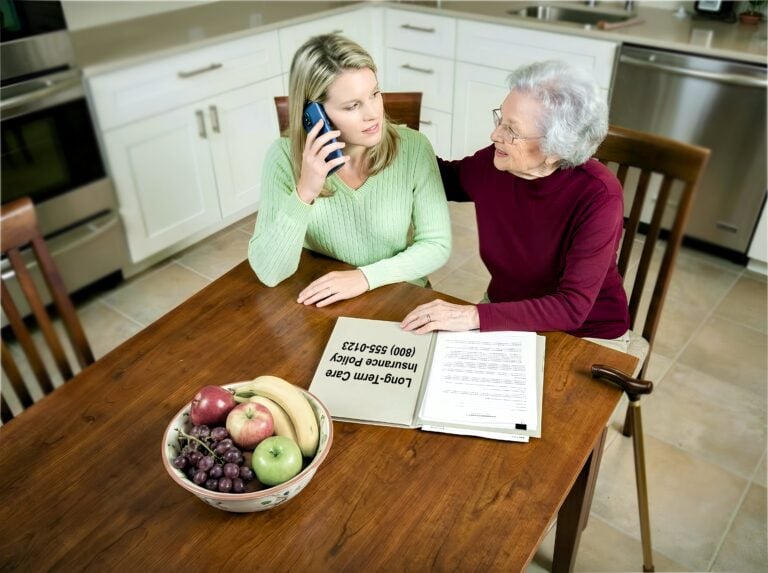
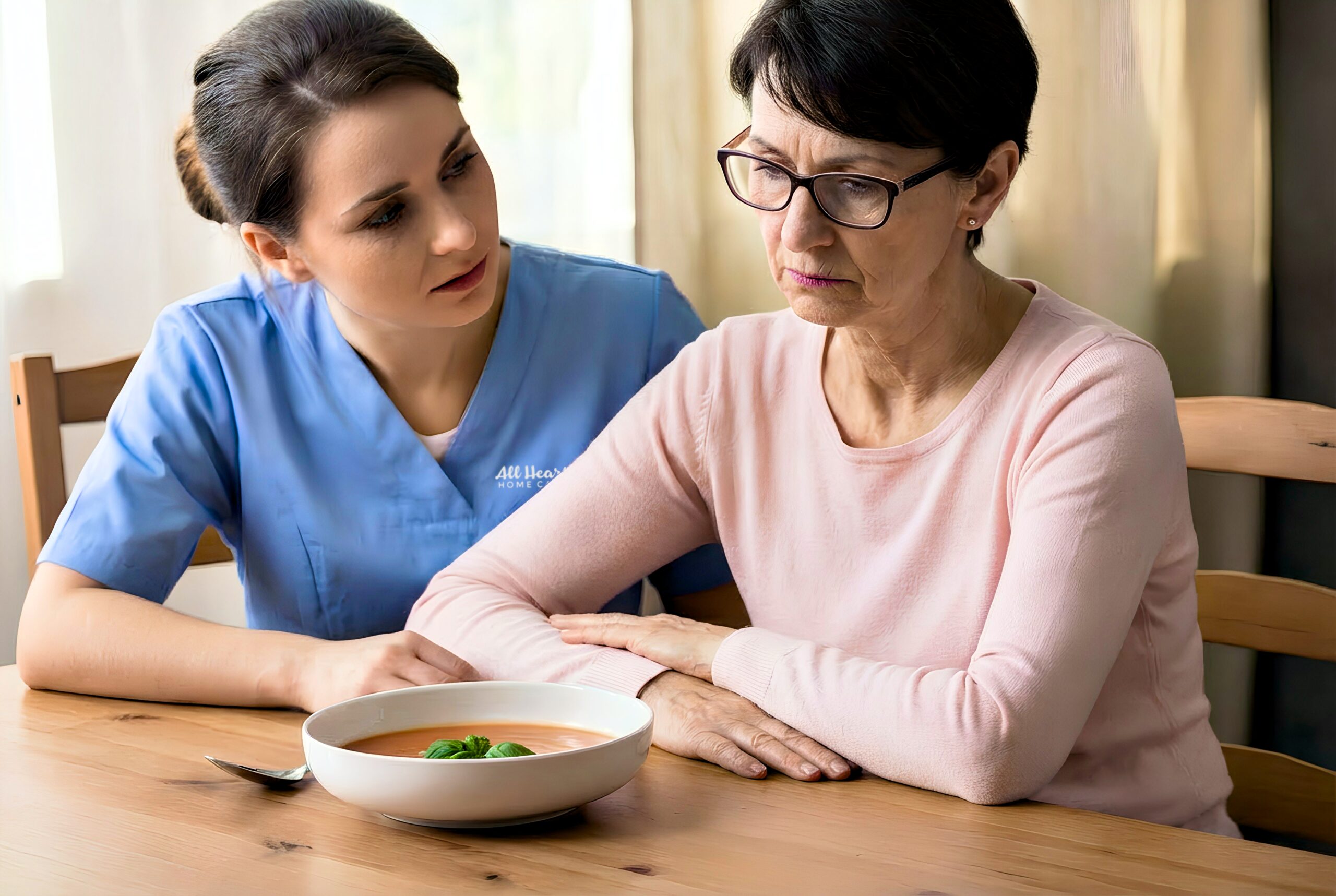
Appetite loss in seniors is one of the most frightening things a family can witness. Your mom pushes food around her plate but barely takes a bite. Your dad says he’s “just not hungry” — again — even though he’s lost 15 pounds in three months. You prepare their favorite meal, hoping to spark some interest, but it sits untouched.
When a senior stops eating, it’s terrifying. And unfortunately, it’s incredibly common.
According to a 2025 systematic review published in Clinical Nutrition, anorexia of aging affects 22.7% of older adults worldwide — more than one in five seniors. The consequences go far beyond weight loss. Without adequate nutrition, seniors experience faster cognitive decline, weakened immunity, increased fall risk, slower wound healing, and significantly higher mortality rates.
But here’s what families need to understand: appetite loss in seniors is rarely stubbornness or depression alone. Specific, identifiable, and often fixable problems almost always cause it.
This guide will help you understand why your loved one has stopped eating—and what you can do about it.
Why Appetite Loss in Seniors Is So Dangerous
Skipping meals occasionally isn’t catastrophic. But chronic poor nutrition in older adults triggers a cascade of serious health problems. A 2024 review in Nutrients found that up to 50% of elderly hospital admissions involve malnutrition — making it one of the most significant yet underrecognized health threats facing older adults.
Muscle wasting (sarcopenia) — Without adequate protein, the body breaks down muscle for energy. This leads to weakness, falls, and loss of independence.
Weakened immune system — Malnutrition makes fighting infections nearly impossible. UTIs, pneumonia, and other illnesses become life-threatening.
Cognitive decline — The brain needs nutrients to function. Deficiencies in B12, folate, and other vitamins accelerate the progression of dementia symptoms.
Depression and isolation — Poor nutrition worsens mood disorders, creating a vicious cycle: depression reduces appetite, which worsens depression.
Slower recovery from illness or surgery — Without adequate nutrition, wounds don’t heal, bones don’t mend, and recovery stalls.
Increased hospitalization and mortality — Studies consistently show that malnourished seniors have dramatically higher rates of hospitalization, complications, and death.
The stakes are high. But understanding the cause is the first step toward solving the problem.
The 8 Most Common Reasons for Appetite Loss in Seniors
1. Medications Are Suppressing Their Appetite
This is the number one overlooked cause of appetite loss in seniors.
According to Johns Hopkins Medicine, approximately two-thirds of adults over 60 take five or more prescription medications daily — a condition called polypharmacy. Research shows that patients taking 5-9 medications have a 50% chance of experiencing an adverse drug interaction, and many common medications have side effects that make eating miserable.
Nausea and vomiting:
- Opioid pain medications
- Antibiotics
- Chemotherapy drugs
- Digoxin (heart medication)
Altered taste (metallic or bitter taste):
- Antibiotics (especially metronidazole)
- Blood pressure medications (ACE inhibitors)
- Antidepressants
Dry mouth:
- Antihistamines
- Antidepressants
- Parkinson’s medications
- Incontinence medications
Constipation, bloating, or diarrhea:
- Pain medications (opioids cause severe constipation)
- Iron supplements
- Calcium supplements
- Anticholinergics
What to do:
✓ Schedule a medication review with the doctor — Bring all medications, including over-the-counter drugs and supplements. Ask: “Could any of these be affecting appetite or digestion?”
✓ Ask about timing changes — Sometimes taking medication with food instead of on an empty stomach (or vice versa) reduces side effects.
✓ Request alternatives — Different medications may accomplish the same goal with fewer appetite-suppressing effects.
✓ Never stop medications without consulting a doctor — But absolutely advocate for your loved one if medications are making eating impossible.
2. Oral Pain Makes Every Bite Hurt
Imagine trying to enjoy a meal when chewing causes pain. You’d lose your appetite too.
Common oral health problems in seniors:
- Tooth decay and cavities — Untreated cavities cause sharp pain when chewing
- Gum disease (periodontitis) — Inflamed, bleeding gums make eating uncomfortable
- Loose or missing teeth — Make chewing difficult or impossible
- Poorly fitting dentures — Rub against gums, creating sores and pain
- Dry mouth (xerostomia) — Makes swallowing difficult and increases infection risk
- Oral thrush (yeast infection) — Causes white patches, soreness, and burning sensations
What to do:
✓ Schedule a dental exam immediately — Many seniors avoid the dentist due to cost, mobility issues, or fear — but untreated dental problems only worsen.
✓ Look for mobile dentists — Some dentists make house calls for homebound seniors.
✓ Adjust food textures — While waiting for dental treatment, serve softer foods: scrambled eggs, mashed potatoes, smoothies, soups, yogurt, oatmeal.
✓ Address dry mouth — Encourage water sips throughout the day, use alcohol-free mouthwash, and ask the doctor about saliva substitutes.
✓ Check dentures regularly — As people age and lose weight, dentures that once fit well may become loose and painful. Dentures should be refitted every few years.
3. Food Has Lost Its Flavor
As we age, taste buds die off, and the sense of smell diminishes. Food that once tasted delicious becomes bland and unappetizing.
By age 70, most people have lost 30% or more of their taste buds. Smell declines even more dramatically — and since smell accounts for up to 80% of flavor perception, food becomes genuinely less enjoyable.
What to do:
✓ Enhance flavors with herbs and spices — NOT salt and sugar. Try fresh basil, cilantro, parsley, garlic, ginger, lemon juice, cumin, paprika, turmeric, or cinnamon.
✓ Add aromatic ingredients — Roasting vegetables, sautéing garlic and onions, or using fresh herbs creates enticing smells that trigger appetite.
✓ Experiment with new cuisines — Sometimes seniors discover that foods they never liked before suddenly appeal to them. Thai, Indian, Mexican, or Mediterranean cuisines offer bold flavors.
✓ Serve food at the right temperature — Hot foods should be hot, cold foods should be cold. Lukewarm food is unappetizing to everyone.
✓ Make food visually appealing — Use colorful vegetables, garnish with fresh herbs, and serve meals on attractive plates. We eat with our eyes first.
4. Constipation Makes Them Feel Full
When you’re uncomfortably bloated and backed up, the last thing you want is food.
Constipation is extremely common in seniors due to:
- Medications (especially opioids, iron supplements, calcium)
- Reduced physical activity
- Inadequate water intake
- Low-fiber diet
- Weakened bowel muscles
What to do:
✓ Increase fiber gradually — Add prunes, oatmeal, beans, whole grains, fruits, and vegetables. Too much fiber too fast causes gas and bloating, so increase slowly.
✓ Drink more water — Fiber needs water to work. Aim for 6-8 cups daily unless a doctor advises otherwise.
✓ Encourage gentle movement — Even short walks help stimulate digestion.
✓ Establish a bathroom routine — The body responds to consistency. Try sitting on the toilet at the same time each day, even when you don’t have an urge.
✓ Talk to the doctor about medications — Stool softeners, fiber supplements, or medication adjustments may be necessary.
5. Depression and Loneliness Kill Appetite
Eating alone day after day is depressing. Meals become joyless chores to get through rather than something to enjoy.
Research published in Nutrients found that seniors who eat alone are 1.75 times more likely to have a poor appetite compared to those who eat with others. This finding has significant implications: eating with someone, even once a week, may improve appetite and help prevent malnutrition.
Appetite loss from loneliness is especially common after:
- Loss of a spouse (cooking for one feels pointless)
- Moving to a new home (leaving familiar routines)
- Social isolation (no friends or family nearby)
- Cognitive decline (forgetting the pleasure of eating)
Depression physically suppresses appetite. It’s not just emotional — it’s physiological.
What to do:
✓ Eat together whenever possible — Share meals with your loved one regularly, even if it’s just once or twice a week. This single intervention often significantly restores appetite.
✓ Arrange group dining opportunities — Senior centers often offer communal lunches, faith communities may have fellowship meals, and in-home caregivers can provide mealtime companionship.
✓ Screen for depression — If your loved one shows other signs (withdrawal, hopelessness, loss of interest in activities, sleep changes), talk to their doctor about treatment.
✓ Make meals a pleasant experience — Play favorite music, use lovely dishes, light candles, set the table — create an atmosphere worth attending.
6. They’re Too Tired or Confused to Cook
Meal preparation requires energy, planning, and organization — all of which decline with age, illness, or cognitive impairment.
Seniors often face this challenge:
- Rely on microwave dinners and processed foods (less appetizing, less nutritious)
- Eat the same bland foods every day (cereal for dinner, toast for lunch)
- Skip meals entirely because cooking feels overwhelming
- Forget to eat (especially with early dementia)
What to do:
✓ Provide ready-to-eat meals — Stock the fridge with pre-made salads, rotisserie chicken, cut fruit and vegetables, hard-boiled eggs, Greek yogurt, and healthy frozen meals.
✓ Simplify cooking — Use slow cookers, Instant Pots, pre-chopped vegetables, and simple one-pot meals.
✓ Arrange meal delivery — Options include Meals on Wheels, commercial meal delivery services, family members dropping off homemade meals, or restaurant delivery.
✓ Hire a caregiver to cook — Professional in-home caregivers can prepare fresh, nutritious meals in your loved one’s kitchen.
7. Digestive Issues Make Eating Uncomfortable
Many seniors develop digestive problems that make eating unpleasant:
- Acid reflux (GERD) — Causes burning, regurgitation, and chest pain after eating
- Gastroparesis — Delayed stomach emptying causes early fullness, nausea, and bloating
- Irritable bowel syndrome (IBS) — Causes cramping, diarrhea, or constipation
- Food intolerances — Lactose intolerance and gluten sensitivity become more common with age
- Nausea from medications or illness — Makes the thought of food revolting
What to do:
✓ Keep a food diary — Track what they eat and any symptoms. Patterns may emerge.
✓ Eat smaller, more frequent meals — Six small meals are easier to digest than three large ones.
✓ Avoid trigger foods — Common culprits include spicy or acidic foods for reflux, high-fat foods that slow digestion, and gas-producing foods like beans and carbonated drinks.
✓ Consult a gastroenterologist — Digestive issues are often treatable with medication or dietary changes.
8. They’ve Lost Interest in Living
This is the hardest one to address — but it’s real.
Some seniors, especially those facing terminal illness, uncontrolled chronic pain, severe disability, profound loneliness, or loss of all independence, reach a point where they no longer want to fight. Food becomes symbolic of a life they no longer wish to prolong.
What to do:
This requires compassionate, honest conversations — ideally with the support of the senior’s doctor, a palliative care team, a therapist or counselor, hospice (if appropriate), or spiritual advisors.
Sometimes aggressive appetite interventions aren’t appropriate. The goal shifts from “getting them to eat” to ensuring comfort, dignity, and quality time with loved ones.
But before reaching that conclusion, rule out every other treatable cause first.
What NOT to Do When a Senior Won’t Eat
✕ Don’t nag, beg, or guilt-trip — “You need to eat!” or “I made this for you, and you won’t even try it!” creates stress and makes eating even less appealing.
✕ Don’t force-feed or threaten — This is demeaning and ineffective.
✕ Don’t offer only junk food — while ice cream and cookies may be the only things they’ll eat, relying solely on them can lead to nutritional deficiencies.
✕ Don’t assume it’s “just old age” — Appetite loss always has a cause. Investigate it.
✕ Don’t ignore dramatic weight loss — Losing 10+ pounds unintentionally in 6 months is a medical emergency.
Practical Strategies That Actually Help with Appetite Loss in Seniors
Make Every Bite Count
If your loved one will only eat small amounts, make those calories nutrient-dense:
✓ Add healthy fats for calories — Olive oil drizzled on vegetables, avocado in smoothies, nut butter on toast, full-fat yogurt.
✓ Boost protein — Add protein powder to smoothies or oatmeal, serve Greek yogurt instead of regular, include eggs, beans, nuts, or cheese.
✓ Fortify liquids — Make smoothies with whole milk, Greek yogurt, nut butter, and fruit. Add powdered milk to regular milk for extra protein and calories.
✓ Offer nutritional supplements — Ensure, Boost, or Orgain protein shakes can fill dietary gaps — but they shouldn’t replace real food entirely.
Serve Smaller, More Frequent Meals
A full plate can be overwhelming. Instead:
- Offer 5-6 mini-meals throughout the day
- Use smaller plates (a half-full small plate looks more achievable than a mostly empty large plate)
- Keep healthy snacks visible and easy to grab
Create a Routine
Structure matters. Eating at set times each day helps regulate appetite:
- Breakfast at 8 a.m.
- Snack at 10 a.m.
- Lunch at noon
- Snack at 3 p.m.
- Dinner at 6 p.m.
- Light snack at 8 p.m.
Reduce Distractions and Make Meals Social
Turn off the TV during meals. Eliminate clutter from the table. Focus on the food and conversation.
This cannot be overstated: eating with others dramatically increases food intake. Studies show that mealtimes shared with others can last twice as long, and approximately 85% of seniors report that having someone to share meals with makes mealtimes more satisfying.
If you can’t be there, consider hiring a caregiver to provide mealtime companionship, arranging video calls during meals, connecting them with senior center meal programs, or coordinating with neighbors to share meals.
How In-Home Caregivers Transform Eating Habits
Here’s what families often don’t realize: professional caregivers can significantly improve a senior’s eating habits.
At All Heart Home Care, our caregivers do far more than cook and serve food. We create sustainable routines, address barriers, and bring joy back to mealtimes.
How our caregivers help:
✓ Prepare fresh, appealing meals in the client’s home — Using familiar recipes and favorite ingredients, our caregivers cook meals that actually get eaten.
✓ Accommodate dietary restrictions and preferences — We adapt to diabetic diets, low-sodium needs, texture modifications, and personal tastes.
✓ Provide mealtime companionship — Eating together makes meals enjoyable instead of lonely. Our caregivers sit down and share the meal, creating conversation and connection.
✓ Grocery shopping and pantry management — We ensure the kitchen is stocked with nutritious options and nothing goes to waste.
✓ Monitor food intake and hydration — We track what and how much your loved one eats, identifying patterns and communicating concerns to the family.
✓ Assist with eating — For seniors with mobility issues, tremors, or vision problems, our caregivers help cut food, guide utensils, and ensure safe swallowing.
✓ Address oral health and medication barriers — We communicate with families about dental pain, medication side effects, or other issues interfering with appetite.
✓ Make eating enjoyable again — We set the table nicely, play favorite music, and treat meals as something to look forward to — not a chore to endure.
The result? Seniors eat more, feel better, and regain strength.
When to Seek Medical Help Immediately
Contact a doctor right away if your loved one:
- Has lost 10+ pounds unintentionally in 6 months (or 5+ pounds in 1 month)
- Refuses to eat or drink for more than 24 hours
- Shows signs of dehydration (dark urine, dizziness, confusion, dry mouth)
- Has difficulty swallowing or chokes frequently
- Vomits repeatedly
- Experiences severe abdominal pain
- Shows sudden cognitive changes or extreme weakness
These are medical emergencies, not just appetite issues.
Quick Action Checklist
If your loved one has stopped eating, take these steps:
- ☐ Schedule a medication review — Ask if any drugs affect appetite
- ☐ Book a dental exam — Rule out oral pain
- ☐ Check for constipation — Address digestive discomfort
- ☐ Screen for depression — Consider mental health treatment
- ☐ Simplify meal prep — Stock ready-to-eat healthy foods
- ☐ Eat together — Provide companionship at meals
- ☐ Track weight weekly — Monitor for dangerous losses
- ☐ Contact a doctor — If weight loss is significant or rapid
- ☐ Consider in-home care — For meal prep and companionship
References
- Leadbetter, B., et al. (2025). Global prevalence of anorexia of aging: A systematic review and meta-analysis. Clinical Nutrition, 51, 381-385. sciencedirect.com
- Cıngar Alpay, K., et al. (2025). Appetite loss in older adults without undernutrition: associated factors and clinical implications. BMC Geriatrics, 25, 641. bmcgeriatr.biomedcentral.com
- Tomasiewicz, A., et al. (2024). Advancing the Understanding of Malnutrition in the Elderly Population: Current Insights and Future Directions. Nutrients, 16(15), 2502. pmc.ncbi.nlm.nih.gov
- Mikami, Y., et al. (2022). Relationship between Eating Alone and Poor Appetite Using the Simplified Nutritional Appetite Questionnaire. Nutrients, 14(2), 337. mdpi.com
- Jandu, J.S., et al. (2024). Strategies to Reduce Polypharmacy in Older Adults. StatPearls. ncbi.nlm.nih.gov
- Johns Hopkins Medicine. (2025). Polypharmacy in Adults 60 and Older. hopkinsmedicine.org
You Don’t Have to Face This Alone
Watching your loved one waste away because they won’t eat is heartbreaking. And trying to solve it yourself — cooking meals they won’t touch, pleading with them to take one more bite, worrying every single day — is exhausting.
You need help. And that’s okay.
At All Heart Home Care, we’ve helped hundreds of San Diego families navigate appetite loss in seniors, malnutrition, and the complex challenges of senior nutrition. Our caregivers understand that getting a senior to eat isn’t about force — it’s about addressing barriers, creating pleasant routines, and restoring the joy of sharing a meal.
Whether you need a few hours of respite care each week to give yourself a break or comprehensive 24-hour support that includes meal preparation and companionship, we’ll create a care plan tailored to your family’s needs.
Call us at (619) 736-4677 for a free in-home consultation. We’ll assess the situation, identify barriers, and help your loved one eat well again.
Because food is more than fuel. It’s comfort, connection, and a cornerstone of quality of life.
Disclaimer: This article is for informational purposes only and does not constitute medical advice. Always consult with qualified healthcare providers about appetite changes, weight loss, or nutritional concerns. Appetite loss in seniors can indicate serious underlying conditions that require professional medical evaluation.