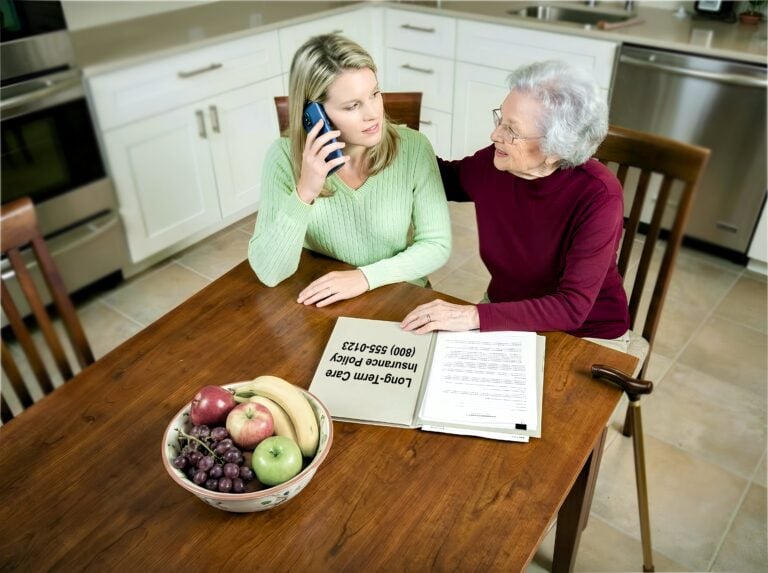

In June 2025, the World Health Organization released a landmark finding that shocked the global health community: loneliness contributes to approximately 871,000 deaths worldwide every year—that’s roughly 100 deaths every hour. The WHO declared social connection a critical public health priority, calling it the “third pillar of health” alongside physical and mental well-being.
This groundbreaking report confirmed what scientists have long known: human connection isn’t just beneficial—it’s essential for survival. And for seniors, the stakes are exceptionally high.
The good news? The solutions are clear, proven, and accessible. Companionship—whether from family, friends, community, or professional caregivers—can literally add years to your life and life to your years.
The 2025 WHO Report: A Wake-Up Call for the World
The WHO Commission on Social Connection, co-chaired by former U.S. Surgeon General Dr. Vivek Murthy, released its flagship report in June 2025 after three years of comprehensive research. The findings were sobering:
Global Loneliness Statistics
- 1 in 6 people worldwide experience loneliness
- Up to 1 in 3 older adults (age 60+) are socially isolated
- Loneliness is linked to an estimated 871,000 deaths annually—more than 100 deaths per hour
- The mortality risk from social isolation and loneliness rivals that of smoking, obesity, and physical inactivity
The Health Toll
According to the WHO report, loneliness and social isolation increase the risk of:
- Stroke
- Heart disease
- Type 2 diabetes
- Cognitive decline and dementia
- Premature death
- Depression (lonely people are twice as likely to become depressed)
- Anxiety and suicidal thoughts
The Protective Power of Connection
Conversely, strong social connections:
- Reduce inflammation throughout the body
- Lower the risk of serious illness
- Foster mental health
- Extend longevity
- Build resilience against life’s challenges
As Dr. Tedros Adhanom Ghebreyesus, WHO Director-General, stated: “In this age when the possibilities to connect are endless, more and more people are finding themselves isolated and lonely… Left unaddressed, loneliness and social isolation will continue to cost society billions in terms of health care, education, and employment.”
Loneliness Among Seniors: The 2024-2025 Data
The statistics specific to older adults are particularly concerning—and reveal why companionship matters so much for this population.
U.S. Statistics (2024 Data)
According to the University of Michigan National Poll on Healthy Aging:
- 33% of older adults (ages 50-80) felt lonely some of the time or often in 2024
- 29% reported feeling socially isolated some of the time or often
- Nearly 30% of elderly adults live alone—millions of seniors without daily companionship
Global Prevalence
A comprehensive meta-analysis published in 2025 (Humanities and Social Sciences Communications) analyzed 126 studies comprising 1.25 million older adults:
- The global prevalence of loneliness among older adults is 27.6%
- The highest rates are in North America (30.5%)
- Risk factors include health deterioration, widowhood, and loss of social networks
Which Seniors Are Most At Risk?
The 2024 Michigan poll identified groups with the highest rates of loneliness:
- Those with fair or poor mental health: 75% lonely
- Those with fair or poor physical health: 53% lonely
- Those not working and not retired (disability): 52% lonely
These rates are twice or more those observed among seniors with good health or active lifestyles.
The Science: How Companionship Protects Health
Decades of research have established the mechanisms by which social connection protects health. Here’s what the latest science tells us:
1. Companionship Delays Dementia by 5 Years
A landmark study published in Alzheimer’s & Dementia (December 2024) from Rush University followed 1,923 older adults for an average of 7 years. The findings were remarkable:
- High social activity was associated with a 38% reduction in dementia risk
- 21% reduction in mild cognitive impairment (MCI) risk
- The least socially active seniors developed dementia around age 87—about 5 years earlier than the most socially active, who developed it around age 92
“The least socially active older adults developed dementia an average of five years before the most socially active,” said study author Dr. Bryan James of Rush University Medical Center.
How Does This Work?
According to research published in Nature Aging (2023), social participation may reduce dementia risk through two pathways:
- Cognitive Reserve: Social interaction challenges the brain with complex exchanges, building neural resilience—a case of “use it or lose it.”
- Brain Maintenance: Social engagement reduces stress and improves cerebrovascular health, protecting brain tissue from damage.
Other research shows that social isolation is linked to shrinkage in brain regions critical for cognition.
2. Social Connection Protects the Heart
Loneliness and isolation significantly increase cardiovascular risk:
- Social isolation is associated with a 42% increased risk of developing cardiovascular disease (Australian study)
- Loneliness increases the risk of stroke, heart disease, and heart failure
- Higher perceived loneliness is associated with more frequent emergency room visits and hospital admissions among heart failure patients
- Low social support increases hospital readmission and mortality after a heart attack
3. Companionship Strengthens the Immune System
A 2025 study from Cornell University, published in Brain, Behavior and Immunity – Health, found that people with higher levels of “cumulative social advantage” throughout their lives showed:
- Slower epigenetic aging (biological age younger than chronological age)
- Lower levels of chronic inflammation
Research shows that socially active seniors have:
- Healthier immune function
- Reduced inflammation
- Better ability to fight infections
- Lower risk of autoimmune diseases
4. Social Engagement Reduces Depression Risk
Mental health benefits are profound:
- Lonely people are twice as likely to get depressed (WHO 2025)
- A study of over 11,000 older U.S. adults found that lower frequency of in-person social contacts was related to higher rates of depression over 2 years
- Notably, telephone or email contact did not have the same protective effect—in-person interaction matters most
5. Connection Extends Life
The mortality data are striking:
A comprehensive 2025 meta-analysis (86 studies) found:
- Loneliness is associated with 14% increased mortality risk (HR 1.14)
- Social isolation is associated with 35% increased mortality risk (HR 1.35)
- Living alone is associated with 21% increased mortality risk (HR 1.21)
- The excess mortality from social isolation rivals the impact of smoking and obesity
- A classic study found that socially isolated individuals had a mortality rate twice that of non-isolated individuals over 9 years
The Benefits of Companionship: A Complete Picture
Based on the research, here are the comprehensive benefits that seniors gain from regular companionship and social engagement:
Mental Health Benefits
- Reduced risk of depression and anxiety
- Improved mood and emotional well-being
- Greater life satisfaction
- Stronger sense of purpose
- Enhanced self-esteem and confidence
- Better stress management
- Reduced feelings of isolation and loneliness
- Lower risk of suicidal ideation
Cognitive Benefits
- Delayed onset of dementia by up to 5 years
- 38% reduction in dementia risk
- 21% reduction in mild cognitive impairment risk
- Improved memory and thinking skills
- Greater cognitive reserve
- Enhanced mental stimulation
- 70% reduction in cognitive decline rates (some studies)
Physical Health Benefits
- Stronger immune system
- Lower levels of chronic inflammation
- Better cardiovascular health
- Lower blood pressure
- Reduced risk of stroke
- Better blood sugar regulation
- Improved sleep quality
- More physical activity (socially engaged seniors move more)
- Fewer hospital stays and readmissions
Longevity Benefits
- Significant reduction in premature mortality
- 14-35% lower risk of death compared to isolated peers
- Comparable survival benefit to quitting smoking or losing weight
Quality of Life Benefits
- Greater independence
- Enhanced sense of belonging
- More fulfilling daily life
- Increased resilience in facing life’s challenges
- Stronger support network for health challenges
Digital Isolation: A New Risk Factor
In our increasingly connected digital world, a paradox has emerged: many older adults are disconnected from technology and suffer as a result.
A February 2025 study published in the Journal of Medical Internet Research followed 8,189 adults aged 65 and older and found that “digital isolation” (lack of internet, smartphone, or social media use) significantly increases dementia risk.
This finding underscores that:
- Technology can be a valuable tool for maintaining connections
- Video calls with distant family and friends provide meaningful social contact
- Online communities can supplement in-person relationships
- Digital literacy is increasingly important for senior health
However, technology should complement, not replace, in-person interaction—the research is clear that face-to-face contact has unique benefits.
Practical Ways to Increase Companionship
The good news is that companionship is accessible in many forms. Here are evidence-based strategies:
Community Engagement
Join a volunteer organization. Volunteering provides purpose, social connection, and the satisfaction of helping others. Consider:
- Animal shelters
- Food banks and meal programs
- Hospitals and hospices
- Libraries and schools
- Environmental conservation groups
- Religious and community organizations
Participate in group classes and activities. Look for:
- Exercise classes (yoga, tai chi, water aerobics)
- Art and crafts groups
- Book clubs
- Card and game groups
- Choir or music groups
- Cooking classes
- Continuing education courses
Join a faith community. Churches, synagogues, mosques, and other religious organizations often provide:
- Regular social gatherings
- Support during difficult times
- Meaningful connections with like-minded people
- Volunteer opportunities
Attend senior center programs. Many communities offer:
- Social events (bingo nights, dances, parties)
- Educational programs
- Fitness activities
- Day trips and excursions
- Meal programs
Personal Relationships
Accept invitations. When opportunities arise, say yes. If transportation is a barrier, ask family members, friends, or a home care provider for assistance.
Reconnect with old friends. Reach out to people you’ve lost touch with. Many seniors find great joy in reconnecting with childhood friends, former colleagues, or military buddies.
Schedule regular family time. Make time with children, grandchildren, and other relatives a priority—whether weekly dinners, holiday traditions, or casual visits.
Become a mentor. Share your decades of experience with younger generations. Many organizations connect seniors with youth who can benefit from their wisdom.
Technology-Enabled Connection
Learn to video chat. Platforms such as FaceTime, Zoom, and Skype enable face-to-face communication with loved ones worldwide.
Explore social media. Facebook, Instagram, and other platforms help you stay connected with family and friends and stay up to date on what’s happening in their lives.
Join online communities. Interest-based groups connect you with people who share your hobbies and passions.
Take online classes. Many universities offer free courses for seniors, providing intellectual stimulation and connection with fellow learners.
At-Home Connection
Invite people to your home. Host small gatherings, game nights, or coffee dates. A home care provider can assist you in preparing and hosting.
Get a pet. Animal companionship provides daily interaction, routine, and unconditional love. Dogs, in particular, encourage physical activity and social interaction.
Engage with neighbors. Simple conversations over the fence, borrowing a cup of sugar, or watching out for each other build community.
When In-Home Companionship Makes the Difference
For many seniors, barriers make independent social engagement challenging:
- Mobility limitations that make leaving home difficult
- Chronic health conditions that require frequent rest
- Transportation challenges (no longer driving, limited public transit)
- Vision or hearing loss that makes social situations difficult
- Cognitive changes that affect confidence in social settings
- Depression or anxiety that reduces motivation to socialize
- Caregiving responsibilities for an ill spouse
- Living in a rural area far from social opportunities
In these situations, in-home companionship becomes essential—not a luxury, but a health intervention.
How All Heart Home Care Provides Companionship
At All Heart Home Care, we understand that companionship is as vital to health as medication or medical care. Our trained caregivers provide meaningful human connection that addresses the loneliness epidemic head-on.
One-on-One Companionship
Our caregivers don’t just perform tasks—they build genuine relationships. They take time to:
- Have meaningful conversations about life, family, current events, and memories
- Play games together—cards, board games, puzzles, word games
- Share meals and conversation around the table
- Read aloud books, newspapers, or favorite magazines
- Watch movies or TV programs together and discuss them
- Look through photo albums and reminisce about happy memories
- Listen with genuine interest to your stories and concerns
Enabling Social Engagement
Our caregivers help seniors stay connected to their communities by:
- Providing transportation to social events, religious services, clubs, and family gatherings
- Accompanying seniors to restaurants, movies, concerts, and other outings
- Helping with technology for video calls and online communication
- Assisting with preparation for social events (bathing, dressing, grooming)
Supporting Social Activities at Home
When you want to host, we help make it happen:
- Planning and organizing social gatherings
- Sending invitations and coordinating RSVPs
- Shopping for supplies and preparing food
- Setting up the home for guests
- Serving food and beverages during the event
- Cleaning up after guests leave
Combating Isolation’s Health Effects
Our comprehensive care also addresses the physical and mental health impacts of isolation:
- Encouraging physical activity and accompanying seniors on walks
- Preparing nutritious meals that support overall health
- Medication reminders to ensure proper health management
- Monitoring for signs of depression or cognitive changes
- Coordinating with family to keep them informed and involved
Consistent, Caring Relationships
Unlike rotating schedules that never let genuine relationships form, All Heart prioritizes:
- Caregiver matching based on personality and interests
- Consistent scheduling so the same familiar face visits regularly
- Time for connection—not just rushed task completion
- Training in meaningful engagement for all our caregivers
The Economic Case for Companionship
Beyond the health benefits, addressing loneliness makes economic sense:
- Loneliness costs employers approximately $3.2 billion annually due to reduced productivity and staff turnover (UK research)
- Socially isolated seniors have more frequent emergency room visits and hospitalizations
- Depression and cognitive decline associated with isolation lead to higher long-term care costs
- Preventive companionship intervention costs a fraction of treating the diseases it prevents
Investing in companionship care is investing in health—and it’s far less expensive than treating the consequences of isolation.
Taking the First Step
If you or a loved one is experiencing loneliness or isolation, know that you’re not alone—and that solutions exist.
The research is clear: companionship is medicine. It can delay dementia by 5 years, reduce depression risk by half, strengthen your immune system, protect your heart, and add years to your life.
The WHO’s 2025 message to the world applies to every senior and every family: Social connection must be treated as a health priority.
All Heart Home Care: Your Partner in Connected Living
At All Heart Home Care, we believe that no senior should face loneliness and isolation alone. Our compassionate caregivers provide the human connection that research proves is essential for healthy aging.
Our rates begin at $37/hour—with transparent pricing, no hidden fees, and personalized care plans tailored to your needs.
Call us at (619) 736-4677 for a free in-home consultation.
We’ll discuss your social needs, health goals, and daily life, then develop a care plan to keep you connected, engaged, and thriving.
At All Heart, we recognize that the heart of care is connection.
Key Takeaways: The Benefits of Companionship
- Loneliness kills: The WHO estimates 871,000 deaths annually from loneliness—100 deaths per hour
- 1 in 3 older adults is socially isolated, putting them at serious health risk
- Social activity delays dementia by 5 years and reduces risk by 38%
- Mortality risk from isolation rivals smoking and obesity
- Lonely people are twice as likely to become depressed
- In-person connection matters most—phone and email don’t provide the same protection
- Companionship strengthens immunity and reduces chronic inflammation
- Technology can help—digital isolation is itself a risk factor for dementia
- The benefits span every aspect of health: mental, cognitive, physical, and longevity
- Professional companionship care provides proven health benefits when other social support is limited
Research Sources (2024-2025)
✓ WHO Commission on Social Connection Report (June 2025) — “From Loneliness to Social Connection: Charting a Path to Healthier Societies.”
✓ World Health Assembly Resolution (May 2025) — First-ever resolution on social connection as a public health priority
✓ Rush University/Alzheimer’s & Dementia (December 2024) — Social activity delays dementia onset by 5 years; 1,923 participants
✓ University of Michigan National Poll on Healthy Aging (2024) — 33% of older adults are lonely; high-risk groups identified
✓ Humanities and Social Sciences Communications Meta-Analysis (July 2025) — 27.6% global loneliness prevalence; 126 studies; 1.25 million participants
✓ Aging and Gerontology Meta-Analysis (January 2025) — Loneliness HR 1.14, social isolation HR 1.35, living alone HR 1.21 for mortality; 86 studies
✓ Journal of Medical Internet Research (February 2025) — Digital isolation increases dementia risk; 8,189 participants
✓ Cornell University/Brain, Behavior and Immunity – Health (2025) — Cumulative social advantage slows epigenetic aging, reduces inflammation
✓ Nature Aging (2023) — 30-50% lower dementia risk with social participation
✓ Journal of Alzheimer’s Disease (March 2024) — Social activity and cognitive decline in nursing home residents
✓ National Academies of Sciences Report — Social isolation as a significant health risk