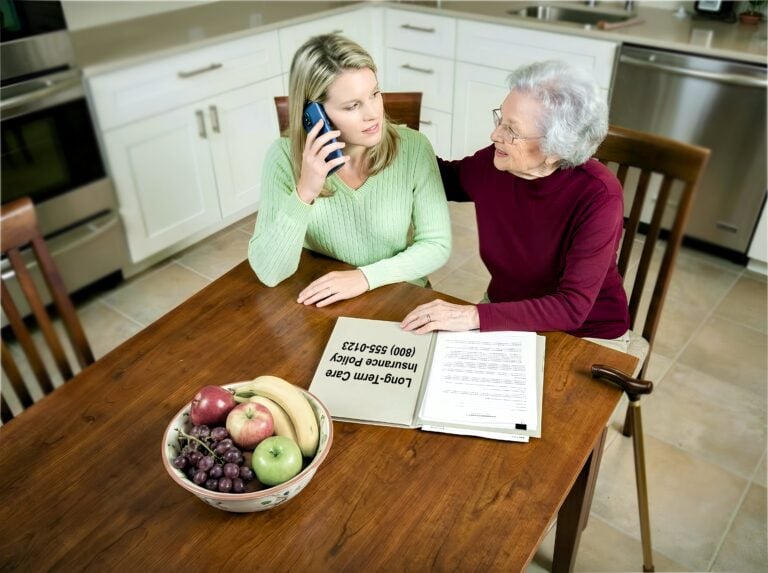

You visit your mom, and something feels… off.
The house that was always spotless has dishes piled in the sink. Your dad, who never missed a shower in his life, smells like he hasn’t bathed in days. The mail is stacked unopened on the table.
“They’re just getting older,” you tell yourself. “It’s normal.”
But is it?
Here’s what most adult children don’t realize: By the time the warning signs are apparent, your parent has likely been struggling for months — maybe years.
Why we miss the signs:
- We see our parents infrequently (every few weeks or months)
- Parents hide their decline out of pride, fear, or denial
- Changes happen gradually (like gaining weight — you don’t notice day-to-day)
- We’re in denial ourselves (accepting decline means accepting aging and mortality)
The result: 40% of seniors who need help don’t receive it until after a crisis — a fall, hospitalization, or emergency that forces the issue.
This article identifies 12 research-backed warning signs that your parent needs help at home — including subtle signs most families miss — and explains what each sign really means, why it’s dangerous to ignore, and what kind of support can help.
Because catching decline early doesn’t just prevent crises. It can add years of quality, independent living.
Why This Matters: The Cost of Waiting
NEW Research (2024): A landmark study in The Gerontologist found that:
Families who intervene early (when first signs appear):
- Parents remain independent 2-3 years longer
- 60% fewer emergency room visits
- 50% fewer falls and injuries
- 70% lower risk of rapid decline
- Significantly better quality of life
Families who wait until a crisis:
- 3x more likely to require nursing home placement
- Average $30,000-50,000 higher costs in the first year
- Higher caregiver burnout (70% vs. 25%)
- More family conflict and guilt
Translation: The warning signs you’re seeing today predict where your parent will be in 6-12 months. Early intervention changes the trajectory.
The 12 Warning Signs (And What They Really Mean)
1. Struggling to Get to Appointments (Or Missing Them Entirely)
What you notice:
- Appointments missed or forgotten
- Arriving late or unprepared
- Showing up on the wrong day
- Forgetting to bring essential documents or insurance cards
What this actually indicates:
This isn’t about one problem — it’s about a cascade of failures:
Executive function decline:
- Can’t plan multi-step tasks anymore
- Can’t sequence activities (shower → dress → gather items → arrange transport)
- Loses track of time
Memory problems:
- Forgets appointment dates
- Forgets what’s needed for the appointment
Physical decline:
- Bathing and dressing take too long (exhaustion sets in)
- Can no longer drive safely
Depression or apathy:
- “What’s the point of going?”
- Feels overwhelmed by preparing
Why this is dangerous:
✕ Missing medical appointments = unmanaged chronic conditions
✕ Skipping follow-ups after hospitalizations = high readmission rates
✕ Not picking up prescriptions = medication non-adherence
✕ Avoiding the doctor = serious conditions go undiagnosed
What helps:
- Caregiver assistance with grooming and preparation
- Transportation to appointments
- Appointment reminders (calendar, phone calls)
- Accompaniment to appointments (note-taking, asking questions)
NEW Technology (2024): Smart home devices with voice reminders and automated calendar alerts reduce missed appointments by 60%.
2. Bathing or Showering Less Often (Or Not at All)
What you notice:
- Unpleasant body odor
- Greasy, unwashed hair
- Dirty fingernails
- Wearing the same clothes multiple days
- General disheveled appearance
What this actually indicates:
Bathing requires more physical and cognitive ability than people realize:
Physical barriers:
- Fear of falling (60% of seniors are afraid to shower — and for good reason; 80% of falls occur in bathrooms)
- Difficulty stepping over the tub ledge
- Can’t stand long enough to shower
- Can’t reach back, feet, or hair
- Arthritis makes it painful to turn faucets or wash
- Balance problems make it dangerous
Cognitive decline:
- Forgets to bathe
- Lost the “routine” that bathing used to be
- Can’t remember steps (undress → shower → dry → dress)
- Doesn’t recognize that they smell bad (olfactory decline)
Depression:
- Apathy — “What’s the point?”
- No motivation
- Too exhausted
NEW Finding (2024): Decreased bathing frequency is one of the earliest signs of Alzheimer’s disease — often appearing 2-3 years before memory symptoms become apparent.
Why this is dangerous:
✕ Skin infections, rashes, and UTIs from poor hygiene
✕ Social isolation (people avoid them due to odor)
✕ Loss of dignity and self-esteem
✕ An indicator of more serious underlying conditions
What helps:
- Walk-in shower or tub with grab bars and a shower seat
- Caregiver assistance with bathing (maintaining dignity and safety)
- Sponge baths between showers, if full bathing is too exhausting
- Handheld shower head (easier to control)
- Non-slip mats
3. Spoiled Food in Kitchen or Refrigerator
What you notice:
- Expired food is not thrown out (sometimes months past the date)
- Moldy food in the fridge
- Empty fridge (or just condiments)
- Dirty dishes piled in the sink for days
- Food left out on counters
What this actually indicates:
Multiple problems are converging:
Cognitive decline:
- Can’t track expiration dates anymore
- Forgets food is in the fridge
- Doesn’t remember what’s safe to eat
- Lost the ability to meal plan
Vision problems:
- Can’t read expiration dates (small print)
- Can’t see mold on food
Physical limitations:
- Too exhausted to cook
- Can’t stand long enough to prepare meals
- Can’t lift heavy pots or open jars
- Arthritis makes chopping and stirring painful
Financial problems:
- Can’t afford groceries
- Stopped shopping to save money
Depression or grief:
- Lost interest in eating (widespread after spouse dies)
- “Cooking for one isn’t worth it.”
NEW Research (2024): Empty refrigerators correlate strongly with malnutrition — 1 in 2 seniors with consistently empty fridges meet criteria for malnutrition, increasing mortality risk by 40%.
Why this is dangerous:
✕ Malnutrition — rapid health decline, slower healing, increased infections
✕ Food poisoning — seniors are 4x more likely to die from foodborne illness
✕ Weight loss — muscle wasting, weakness, falls
✕ Dehydration — confusion, UTIs, kidney problems
What helps:
- Meal preparation and planning by the caregiver
- Grocery shopping assistance
- Food expiration date checks and fridge cleanouts
- Meal delivery services (Meals on Wheels)
- Ready-to-eat nutritious options stocked
4. Difficulty Walking, Balance Problems, or Unexplained Bruises
What you notice:
- Unsteady gait (shuffling, wide stance)
- Holding onto walls or furniture while walking
- Frequent “near misses” (catching themselves before falling)
- Unexplained bruises on arms, legs, and hips
- Reluctance to walk or move around
- Using furniture as support instead of walking aids
What this actually indicates:
Balance problems have multiple potential causes:
Neurological:
- Parkinson’s disease
- Stroke or mini-strokes (TIAs)
- Neuropathy (nerve damage from diabetes)
- Dementia
Musculoskeletal:
- Arthritis
- Muscle weakness (sarcopenia)
- Joint problems
Cardiovascular:
- Orthostatic hypotension (blood pressure drops when standing — causes dizziness)
- Heart problems
Medication side effects:
- Blood pressure medications
- Sedatives
- Pain medications
Vision problems:
- Can’t see obstacles
- Depth perception issues
NEW Statistic (2024): Every 11 seconds, a senior is treated in an ER for a fall. One in four seniors falls each year, but less than half tell their doctor, so balance problems go unaddressed.
Why this is dangerous:
✕ Falls are the #1 cause of injury death in seniors
✕ Hip fractures have a 20-30% mortality within one year
✕ Head injuries can cause permanent brain damage
✕ Fear of falling leads to reduced activity → muscle weakness → more falls (vicious cycle)
✕ Loss of independence — many seniors never return home after a fall-related hospitalization
What helps:
- Physical therapy and strength training
- Home safety assessment (remove tripping hazards, add grab bars, improve lighting)
- Walking aids (cane, walker, rollator)
- Medication review (identify fall-risk medications)
- Caregiver supervision during ambulation
- Medical evaluation to identify the underlying cause
▶ CRITICAL: If you notice unexplained bruises, don’t ignore them. Each bruise may represent a fall they’re not telling you about.
5. Confusion or Difficulty Performing Previously Routine Tasks
What you notice:
- Forgetting how to use appliances they’ve used for decades (microwave, washing machine, TV remote)
- Difficulty following familiar recipes
- Getting lost driving to familiar places
- Trouble managing the checkbook or paying bills
- Forgetting steps in daily routines
- Asking the same questions repeatedly
What this actually indicates:
This is cognitive decline — not “normal aging.”
Possible causes:
- Alzheimer’s disease or other dementias
- Mild Cognitive Impairment (MCI) — 15-20% convert to dementia annually
- Depression (can mimic dementia symptoms)
- Delirium from infection, dehydration, or medication
- Vitamin deficiencies (B12, thiamine)
- Thyroid problems
- Sleep disorders
NEW Finding (2024): Difficulty with familiar technology (TV remote, cell phone, microwave) is an early marker of cognitive decline — often appearing before standard memory tests detect problems.
Why this is dangerous:
✕ Safety risks — leaving the stove on, forgetting to turn off the water, getting lost
✕ Financial exploitation vulnerability — scams, unpaid bills, poor decisions
✕ Medication errors — taking wrong doses, missing doses
✕ Progressive decline if untreated — some causes of cognitive decline are reversible (depression, B12 deficiency, thyroid), but only if identified early
What helps:
- Medical evaluation immediately — don’t wait
- Cognitive assessment (MoCA, MMSE)
- Blood work (B12, thyroid, metabolic panel)
- Medication review (many drugs impair cognition)
- Simplified environment (remove clutter, label items)
- Caregiver supervision and reminders
- Cognitive stimulation activities
6. Forgetting to Take Medications (Or Taking Them Incorrectly)
What you notice:
- Pill bottles are still full when they should be empty
- Not reordering refills
- Taking wrong doses
- Taking medications at the wrong times
- Skipping doses
- Forgetting what medications are for
What this actually indicates:
Medication management requires:
- Memory (remember to take pills)
- Executive function (organize schedule, track refills)
- Vision (read labels, see pills)
- Dexterity (open bottles, handle small pills)
- Understanding (why each medication matters)
When any of these decline, medication adherence suffers.
NEW Statistic (2024): 50% of seniors don’t take medications as prescribed — leading to 125,000 preventable deaths annually and $100 billion in avoidable hospitalizations.
Why this is dangerous:
✕ Chronic conditions worsen (diabetes, heart disease, hypertension)
✕ Antibiotic resistance (skipping doses creates resistant bacteria)
✕ Preventable hospitalizations
✕ Overdose risk (taking double doses because they forgot they already took it)
✕ Drug interactions (taking medications together that shouldn’t be combined)
What helps:
- Pill organizers (weekly organizers with compartments)
- Automated pill dispensers (lock medications, alert when it’s time to take, only dispense the correct dose)
- Medication reminders (alarms, phone calls, caregiver reminders)
- Medication management by caregiver (organizing pills, observing taking, tracking)
- Medication review with doctor or pharmacist (simplify regimen when possible)
NEW Technology (2024): Smart pill dispensers with cellular connectivity alert family members if doses are missed — reducing non-adherence by 70%.
7. House Becomes Dirty and Clutter Increases
What you notice:
- Dust buildup
- Floors not vacuumed or mopped
- Bathroom not cleaned
- Trash overflowing
- Dirty laundry piling up
- Clutter accumulating
- Things not put away
What this actually indicates:
Housekeeping requires significant physical and cognitive capacity:
Physical decline:
- Exhaustion — cleaning is physically demanding
- Pain (arthritis, back problems)
- Can’t bend, reach, or lift (vacuum is too heavy, can’t bend to clean tub)
- Balance problems (mopping creates fall risk)
Cognitive decline:
- Lost the ability to plan and sequence cleaning tasks
- Doesn’t notice the mess anymore
- Forgets cleaning routines
Depression:
- Apathy — “What’s the point?”
- Lost pride in the home
- Overwhelmed by the enormity of the task
Vision problems:
- Can’t see dirt and dust
NEW Finding (2024): Declining housekeeping standards are strongly correlated with functional decline — seniors with noticeably dirty homes have 3x higher risk of hospitalization within 6 months.
Why this is dangerous:
✕ Fall hazards — clutter creates tripping risks
✕ Sanitation issues — mold, bacteria, pests
✕ Respiratory problems — dust, allergens
✕ Social isolation — embarrassed to have visitors
✕ Fire hazards — clutter blocks exits
✕ An indicator of inability to manage other daily tasks
What helps:
- Professional housekeeping assistance (weekly or biweekly)
- Caregiver helps with light housekeeping
- Decluttering assistance (simplified living environment)
- Laundry service
- Regular trash removal
8. Unpaid Bills, Unopened Mail, Financial Disorganization
What you notice:
- Bills piled up, many past due
- Shutoff notices (electricity, water, phone)
- Collection letters
- Unopened mail is stacked everywhere
- Checkbook not balanced
- Unusual bank activity (large withdrawals, checks to unfamiliar organizations)
What this actually indicates:
Financial management is one of the first casualties of cognitive decline:
Executive dysfunction:
- Can’t organize and prioritize tasks
- Can’t sequence bill-paying steps
- Loses track of what’s been paid
- Can’t manage multiple deadlines
Memory problems:
- Forgets bills need to be paid
- Forgets passwords for online banking
- Forgets what bills are for
Physical limitations:
- Can’t walk to the mailbox
- Can’t write checks (arthritis, tremor)
- Can’t see to read bills (vision problems)
Vulnerability to scams:
- Cognitive decline makes seniors easy targets
- Financial elder abuse costs $3 billion annually
NEW Concern (2024): Rise in AI-powered scams (deepfake calls impersonating grandchildren, sophisticated phishing) disproportionately targets cognitively impaired seniors.
Why this is dangerous:
✕ Utility shutoffs — no electricity, water, heat
✕ Eviction or foreclosure — unpaid rent/mortgage
✕ Credit damage
✕ Financial exploitation by scammers — average loss $120,000
✕ Losing thousands in late fees and penalties
✕ Strong indicator of dementia (financial mismanagement often appears 6 years before Alzheimer’s diagnosis)
What helps:
- Bill-paying assistance from a caregiver or family member
- Automatic bill pay setup
- Financial power of attorney activated
- Account monitoring for suspicious activity
- Mail sorting and organization assistance
- Simplified finances (consolidate accounts, reduce credit cards)
▶ CRITICAL: If you notice large, unusual withdrawals or checks to unfamiliar organizations, investigate immediately — financial exploitation may be occurring.
9. Weight Loss or Poor Nutrition
What you notice:
- Clothes fitting loosely
- Unintentional weight loss (5-10+ pounds)
- Eating only easy foods (crackers, cereal, snacks)
- Relying on fast food or frozen dinners
- Skipping meals
- Refrigerator mostly empty
- Signs of malnutrition (weakness, confusion, slow healing)
What this actually indicates:
Multiple factors cause poor nutrition in seniors:
Physical challenges:
- Too tired to cook
- Can’t stand long enough to prepare meals
- Can’t lift heavy pots
- Arthritis makes chopping and stirring painful
- Dental problems (can’t chew meat, raw vegetables)
- Swallowing difficulties (dysphagia)
Cognitive decline:
- Forgets to eat
- Can’t plan or prepare meals
- Lost cooking skills
Sensory changes:
- Taste and smell decline (food tastes bland)
- Reduced appetite
Depression or grief:
- “Cooking for one isn’t worth it.”
- Lost interest in food after spouse died
- Social isolation (eating alone is depressing)
Financial constraints:
- Can’t afford nutritious food
- Skipping meals to save money
Medication side effects:
- Many medications cause nausea and appetite loss
NEW Statistic (2024): 1 in 2 seniors admitted to hospitals are malnourished — yet malnutrition is often missed because it develops gradually.
Why this is dangerous:
✕ Muscle loss (sarcopenia) → weakness → falls → loss of independence
✕ Weakened immune system → more infections
✕ Slower wound healing → bedsores, surgical complications
✕ Cognitive decline (brain needs nutrition)
✕ Increased mortality — malnourished seniors have 40% higher death rates
✕ Frailty — inability to recover from illness or surgery
What helps:
- Meal preparation by caregiver (nutritious, appealing meals)
- Grocery shopping assistance
- Meal planning based on dietary needs and preferences
- Eating meals together (social eating increases intake by 30-40%)
- Nutritional supplements, if needed (ensure, boost)
- Dental care to address chewing problems
- Meal delivery services
10. Loss of Interest in Hobbies and Social Activities
What you notice:
- Stopped attending church, clubs, or social groups
- Quit hobbies they loved (gardening, crafts, reading)
- Declining invitations
- No longer calling friends
- Spending all day watching TV
- General withdrawal from life
What this actually indicates:
This isn’t “just getting older” — it’s a red flag for:
Depression:
- Affects 15-20% of seniors
- Often undiagnosed and untreated
- Anhedonia (inability to feel pleasure)
Physical decline:
- Too exhausted for activities
- Mobility problems make leaving home difficult
- Can no longer drive to activities
- Can’t get supplies needed for hobbies
Cognitive decline:
- Lost the ability to do complex hobbies
- Forgets how to do activities
- Feels overwhelmed by tasks that used to be easy
Sensory decline:
- Vision problems — can’t read, do crafts, see well enough to drive
- Hearing loss — can’t follow conversations in groups, feels left out
Social isolation:
- Friends have moved or died
- Spouse died (lost social partner)
NEW Research (2024): Social isolation and loneliness increase mortality risk by 50% — equivalent to smoking 15 cigarettes per day.
Why this is dangerous:
✕ Accelerates cognitive decline (lack of stimulation)
✕ Depression worsens
✕ Physical decline (sedentary lifestyle)
✕ Loss of purpose and meaning
✕ Earlier death (social isolation is deadly)
What helps:
- Transportation to activities and social events
- Accompaniment to activities (reduces anxiety)
- Assistance obtaining hobby supplies
- Encouragement and motivation
- Adult day programs (social interaction, activities, meals)
- Technology assistance (video calls with family, online groups)
- Pet companionship
11. Stacks of Unopened Mail and Unread Newspapers
What you notice:
- Mail is piling up unopened
- Newspapers stacked, unread
- Magazines accumulating
What this actually indicates:
This seems minor, but indicates:
Cognitive decline:
- Overwhelmed by information
- Can’t process or prioritize
- Forgets to check the mail
Vision problems:
- Can’t read small print
- Too exhausting to read
Physical limitations:
- Can’t walk to the mailbox
- Can’t open envelopes (arthritis)
Depression or apathy:
- “What’s the point?”
- Lost interest in the world
Functional decline:
- If they can’t manage mail, they likely can’t manage bills, medications, and appointments
Why this matters:
This is an early warning sign of functional decline — easier to address now than waiting for a crisis.
What helps:
- Mail sorting and opening assistance
- Reading important documents aloud
- Organizing mail into categories (bills, personal, junk)
- Canceling subscriptions they no longer read
12. Mood Changes, Personality Shifts, or Increased Irritability
What you notice:
- A happy person becomes withdrawn or depressed
- Easygoing parent becomes angry, irritable
- A patient person becomes frustrated easily
- Personality changes
- Emotional outbursts
- Crying spells
- Anxiety or agitation
What this actually indicates:
Personality changes are NEVER normal aging:
Depression:
- Very common in seniors but often missed
- Symptoms differ from depression in younger adults (more irritability, less sadness)
Dementia:
- Alzheimer’s and other dementias cause personality changes
- Frontotemporal dementia causes dramatic personality shifts early
Frustration over declining abilities:
- Losing independence is devastating
- Anger masks fear, embarrassment, grief
Pain:
- Chronic pain causes irritability
- May not report pain (stoic generation)
Medication side effects:
- Many medications affect mood
Anxiety:
- Fear of falling, dying, or being a burden
- Fear of losing independence
Grief:
- Spouse or friends died
- Grieving the loss of abilities
NEW Finding (2024): Increased irritability and personality changes in seniors predict dementia diagnosis within 2-5 years with 70% accuracy — often appearing before memory problems.
Why this is dangerous:
✕ Untreated depression increases mortality by 67%
✕ Quality of life suffers tremendously
✕ May be an early sign of dementia (treatable if caught early)
✕ Social relationships damaged
✕ May indicate undiagnosed pain or medical condition
What helps:
- Medical evaluation (depression, dementia screening)
- Medication review (rule out medication side effects)
- Pain assessment and management
- Mental health treatment (therapy, antidepressants if appropriate)
- Social engagement (reduces depression)
- Purpose and meaning (hobbies, volunteering)
- Home care support (relieves frustration over lost abilities)
NEW: Digital Warning Signs (2024)
Technology use can reveal a decline:
Warning signs:
- Repeatedly calling because they forgot they already called
- Can’t figure out previously mastered technology (TV remote, cell phone)
- Falling for online scams or phishing emails
- Social media posts that are confused, repetitive, or uncharacteristically angry
- Trouble with video calls (can’t navigate Zoom, FaceTime)
Why this matters: Technology requires executive function, memory, and sequencing — skills that decline early in dementia.
How Many Warning Signs = Time to Act?
General guidelines:
1-2 signs: Monitor closely, schedule a doctor visit, and address specific issues
3-4 signs: Significant decline occurring — professional assessment needed, consider starting minimal home care
5+ signs: Urgent intervention needed — comprehensive geriatric assessment, home care should begin immediately
ANY of these alone require immediate action:
- Unexplained weight loss (10+ pounds)
- Forgetting medications regularly
- Getting lost in familiar places
- Fall or injury
- Leaving the stove on / safety issues
- Suicidal thoughts or severe depression
What to Do When You Notice Warning Signs
Step 1: Document What You’re Seeing
Keep a journal:
- Date and description of concerning behaviors
- Photos (messy house, empty fridge, unopened mail)
- Specific examples (“Forgot to take blood pressure medication 3 times this week”)
Why: Helps you see patterns, provides evidence for the doctor, and is helpful for care planning
Step 2: Have “The Conversation”
Approach with love, not criticism:
✕ DON’T say: “You can’t take care of yourself anymore.”
✓ DO say: “I want to help you stay in your home safely. What would make life easier?”
See our article: “How to Talk to Your Parents About Getting Help (Before It’s Too Late)” for detailed conversation strategies.
Step 3: Medical Evaluation
Schedule a comprehensive geriatric assessment:
- Cognitive screening (dementia, depression)
- Medication review (eliminate unnecessary or harmful drugs)
- Fall risk assessment
- Functional assessment (ADLs and IADLs)
- Vision and hearing check
- Nutritional assessment
Many concerning symptoms are treatable — vitamin deficiencies, thyroid problems, depression, and medication side effects.
Step 4: Home Safety Assessment
Evaluate:
- Fall hazards (rugs, clutter, poor lighting)
- Bathroom safety (grab bars, raised toilet seat, shower seat)
- Kitchen safety (burns, forgotten stove)
- Accessibility (stairs, narrow doorways)
Many Area Agencies on Aging offer free home safety assessments.
Step 5: Start with Minimal Support and Scale Up
Don’t go from zero help to 24/7 care overnight.
Progressive approach:
Level 1: A few hours per week
- Help with housekeeping, meal prep, errands
- Allows assessment of needs
- Less threatening to parents’ independence
Level 2: Daily visits
- Medication reminders
- Meal preparation
- Safety supervision
- Social companionship
Level 3: Extended hours
- Morning and evening care
- Personal care assistance
- Transportation
Level 4: Around-the-clock care
- 24-hour supervision if needed
Types of Home Care Available
All Heart Home Care provides comprehensive services to address all warning signs:
Personal Care:
✓ Bathing, showering, and grooming
✓ Dressing assistance
✓ Toileting and incontinence care
✓ Mobility assistance
Medication Management:
✓ Medication reminders and supervision
✓ Organizing pill boxes
✓ Pharmacy pickup
✓ Communication with doctors about medication concerns
Meal Support:
✓ Meal planning and preparation (brain-healthy, therapeutic diets)
✓ Grocery shopping
✓ Kitchen organization and food safety
✓ Ensuring adequate nutrition and hydration
Housekeeping:
✓ Light housekeeping (vacuuming, dusting, mopping)
✓ Laundry and linen changes
✓ Trash removal
✓ Organizing and decluttering
Transportation:
✓ Doctor appointments
✓ Errands (pharmacy, bank, post office)
✓ Social activities (church, senior center, visiting friends)
✓ Grocery shopping
Cognitive and Social Support:
✓ Companionship and conversation
✓ Cognitive stimulation activities
✓ Reminiscence therapy
✓ Encouragement with hobbies
✓ Technology assistance
Safety and Supervision:
✓ Fall prevention and mobility assistance
✓ Home safety monitoring
✓ Emergency response
✓ 24/7 care if needed
Financial and Administrative:
✓ Bill paying assistance
✓ Mail sorting and organization
✓ Appointment scheduling
✓ Communication with family and medical providers
Why Early Intervention Changes Everything
Case Study 1: Waiting Until Crisis
Mary, 83, lived alone in San Diego.
Warning signs family missed:
- Lost 15 pounds over 6 months (ate only crackers and cereal)
- Stopped bathing regularly
- Missed several doctor appointments
- The house became cluttered and dirty
Family response: “She’s always been independent. She’ll ask if she needs help.”
Result: Mary fell and broke her hip. After surgery, she couldn’t return home. Now in a nursing home. Cost: $8,000/month. Quality of life: devastated.
Case Study 2: Early Intervention
Robert, 81, lived alone in San Diego.
Warning signs family noticed:
- Started missing medications occasionally
- Refrigerator often empty
- Seemed less interested in hobbies
Family response: Contacted All Heart Home Care. Started with 3 hours/day, 5 days/week.
Result: The caregiver ensures medication adherence, prepares nutritious meals, and encourages social activities. Robert has remained in his home for 3 years. Cost: $5,920/month (for 8-hour shifts, 5 days/week). Quality of life: excellent.
Robert avoided hospitalization, nursing home placement, and rapid decline — all because the family acted on early warning signs.
Common Mistakes Families Make
Mistake #1: “They’re just getting older.”
Many symptoms attributed to “normal aging” are actually treatable conditions:
- Depression (not normal)
- Cognitive decline from vitamin deficiency (reversible)
- Medication side effects (fixable)
- Untreated pain (manageable)
Don’t accept decline as inevitable. Investigate.
Mistake #2: “They’ll ask if they need help.”
No, they won’t.
Why seniors don’t ask for help:
- Pride and stubbornness
- Fear of losing independence
- Don’t want to burden family
- Denial about decline
- Cognitive impairment (don’t realize they need help)
You must observe and intervene proactively.
Mistake #3: “I can handle it myself.”
Family caregivers burn out fast:
- 40-70% develop depression
- Higher risk of illness and death
- Relationships suffer
- Can’t sustain long-term
Professional help isn’t about giving up — it’s about ensuring sustainable, high-quality care.
Mistake #4: “We’ll wait until it gets awful.”
By the time it’s “awful,” options are limited, and outcomes are worse.
Early intervention:
- Prevents crises
- Maintains independence longer
- Better quality of life
- Lower costs long-term
- Family relationships preserved
How All Heart Home Care Helps
We’ve been helping San Diego families recognize and respond to warning signs for 11 years.
Our approach:
Step 1: Free In-Home Assessment
- Comprehensive evaluation of needs
- Observation of home environment
- Discussion of concerns
- Customized care plan
Step 2: Caregiver Matching
- Carefully matched based on personality, needs, and schedule
- All caregivers are DOJ background checked, trained, and supervised
Step 3: Gradual Introduction
- Start with minimal hours to build trust and rapport
- Scale up as needs increase
- Flexible scheduling
Step 4: Ongoing Monitoring
- Regular supervisor visits
- Communication with family about changes
- Care plan adjustments as needs evolve
- 24/7 on-call support
Step 5: Coordination with Medical Providers
- Communication with doctors
- Medication tracking
- Appointment coordination
- Health monitoring
We don’t just provide caregivers — we offer a comprehensive system that catches decline early and intervenes proactively.
The Bottom Line
If you’re noticing warning signs, you’re not imagining things.
Trust your instincts.
Key takeaways:
✓ Decline happens gradually — easy to miss when you don’t see parents daily
✓ Multiple warning signs indicate functional decline requiring intervention
✓ Early intervention prevents crises, maintains independence, and improves quality of life
✓ Many concerning symptoms are treatable if caught early
✓ Professional home care allows seniors to age in place safely
✓ Family caregivers can’t sustain 24/7 care alone — professional help prevents burnout
✓ The “savings” from delaying care are wiped out by one hospitalization or crisis
Warning signs don’t go away on their own. They get worse.
But with early intervention, your parent can remain independent, safe, and happy at home for years to come.
We Can Help
At All Heart Home Care, we’ve helped hundreds of San Diego families navigate the difficult transition from independence to needing support.
If you’re noticing warning signs in your parent, call us at (619) 736-4677 for a free in-home consultation.
We will:
✓ Assess your parents’ current capabilities and needs
✓ Identify safety concerns
✓ Explain what level of support would help
✓ Create a care plan that your parent will accept
✓ Provide transparent pricing (rates begin at $37/hour)
✓ Answer all questions with no pressure
Early intervention changes everything.
Don’t wait for a crisis. Call today.
Resources
- Eldercare Locator: eldercare.acl.gov | 1-800-677-1116 (connects to local aging services)
- Alzheimer’s Association: alz.org | 1-800-272-3900 (24/7 helpline)
- Family Caregiver Alliance: caregiver.org (caregiver support and education)
- National Council on Aging: ncoa.org (benefits screening, fall prevention)
- Area Agency on Aging (California): aging.ca.gov (free home safety assessments, care coordination)
Warning Signs Quick Checklist
Print this and use it during your next visit:
☐ Missing or late to appointments
☐ Poor hygiene, infrequent bathing
☐ Spoiled food in the kitchen/fridge
☐ Balance problems, unexplained bruises
☐ Confusion with familiar tasks
☐ Forgetting medications
☐ Dirty house, clutter accumulation
☐ Unpaid bills, financial disorganization
☐ Weight loss, poor nutrition
☐ Lost interest in hobbies/social activities
☐ Unopened mail piling up
☐ Mood changes, increased irritability
1-2 signs: Monitor and address specific issues
3-4 signs: Professional assessment needed
5+ signs: Home care should start now