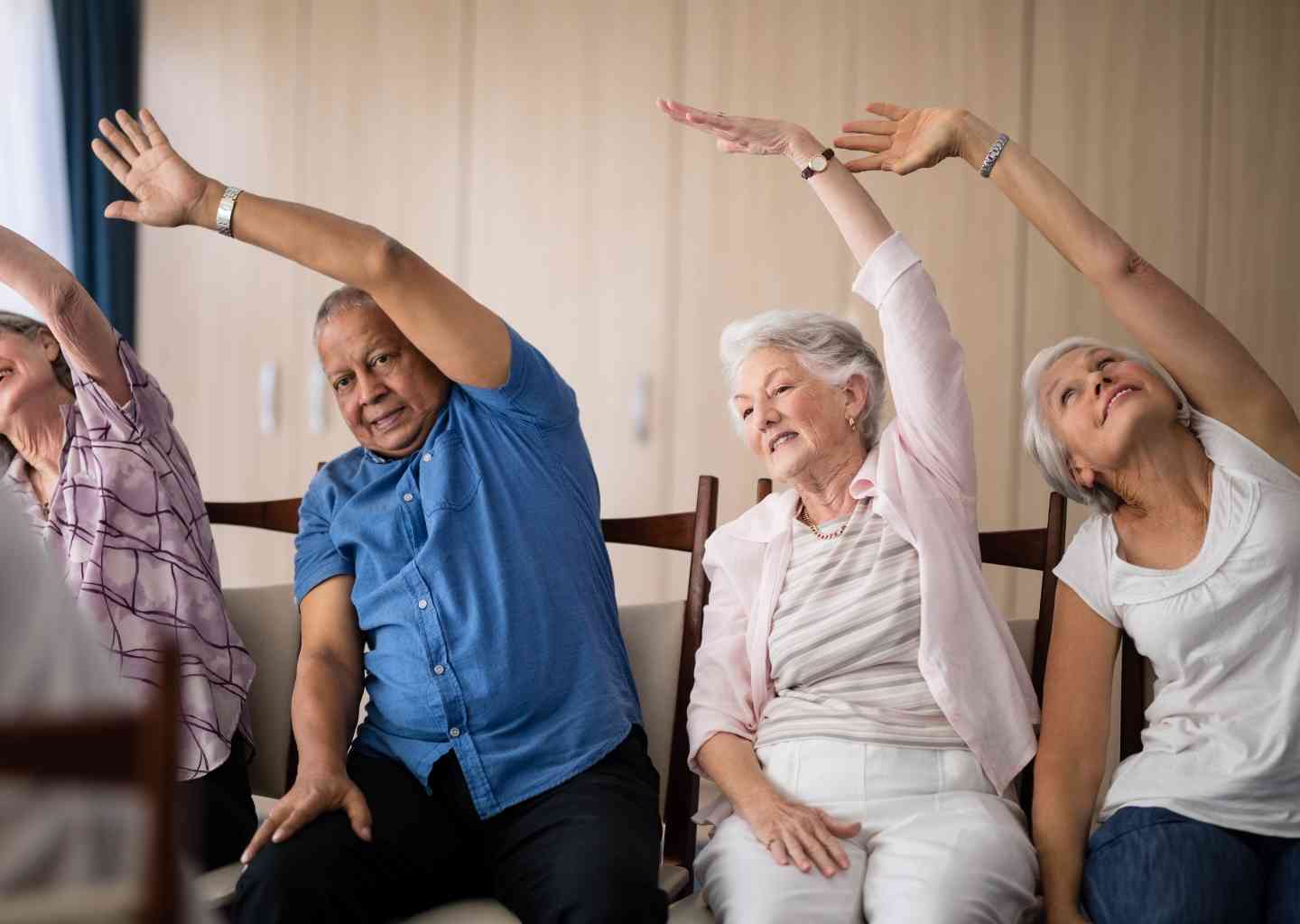
Regular physical activity is one of the most important things you can do for your health as you age. Yet according to the CDC, only about 1 in 7 adults aged 65 and older currently meets the federal physical activity guidelines. This means the vast majority of seniors are missing out on the profound benefits that even light, gentle exercise can provide.
The good news? You don’t need to run marathons or lift heavy weights to reap the rewards of staying active. Light exercise—activities that are safe, comfortable, and gentle on the body—can help you maintain independence, prevent chronic diseases, reduce your risk of falls, and even add years to your life.
At All Heart Home Care, we understand that staying active can be challenging as health conditions, mobility limitations, or medications make specific exercises difficult. That’s why we’ve compiled this comprehensive guide to light exercise options for seniors, along with the latest research on how physical activity benefits older adults.
Physical Activity Guidelines for Older Adults (2024-2025)
The CDC and Physical Activity Guidelines for Americans recommend that adults aged 65 and older aim for:
Aerobic Activity:
- At least 150 minutes per week of moderate-intensity aerobic activity (like brisk walking)
- OR 75 minutes per week of vigorous-intensity activity (like jogging)
- This can be spread throughout the week—for example, 30 minutes a day, 5 days a week, or even 22 minutes daily
Muscle-Strengthening Activities:
- At least 2 days per week of activities that work all major muscle groups (legs, hips, back, abdomen, chest, shoulders, and arms)
Balance Activities:
- Activities that improve balance should be done regularly throughout the week
- Examples include standing on one foot, walking heel-to-toe, or doing tai chi
The Most Important Guideline: If you have trouble meeting these recommendations, be as physically active as your abilities and conditions allow. Some activity is always better than none. Even small amounts of movement provide health benefits.
The Science-Backed Benefits of Exercise for Seniors
Research continues to confirm that physical activity provides extraordinary benefits for older adults. Here’s what the latest 2024-2025 studies show:
Fall Prevention: Reducing Risk by Up to 50%
Falls are the leading cause of injury-related death among adults 65 and older, with 1 in 4 Americans over 65 falling each year. Exercise is one of the most effective interventions to prevent falls.
A 2024 review examining 155 studies found that exercise interventions targeting balance, strength, and coordination significantly reduce fall risk. Key findings include:
- Balance and strength training improve postural control, gait stability, and neuromuscular coordination
- Tai chi can reduce fall risk by up to 50% by improving proprioception (body awareness)
- Resistance training helps prevent sarcopenia (age-related muscle loss) and enhances joint mobility
The US Preventive Services Task Force (2024) now recommends exercise interventions for fall prevention in community-dwelling older adults at increased fall risk.
Cognitive Benefits: Protecting Brain Health
A comprehensive 2025 review of studies from 1970 to 2025 found compelling evidence that exercise improves cognitive function in older adults:
- Moderate-intensity aerobic exercise bolsters memory, executive functions, and mood regulation
- Exercise increases cerebral blood flow, promotes neurogenesis (new brain cell growth), and stimulates production of brain-derived neurotrophic factor (BDNF) in the hippocampus
- Resistance training enhances visuospatial processing and executive functions
- Just 5-6 minutes of moderate-to-vigorous walking per day showed the most significant predicted improvements in executive function, processing speed, and working memory
A 2025 study found that people who maintained walking habits over 10 years showed greater improvements in processing speed and executive function, with benefits especially pronounced in those with a genetic predisposition for Alzheimer’s disease.
Heart Health and Disease Prevention
Physical activity significantly reduces the risk of cardiovascular disease and other chronic conditions:
- Walking briskly for 30 minutes per day, 5 days per week, can reduce the risk of several age-associated diseases
- A 2024 randomized controlled trial found tai chi lowered systolic blood pressure by 7.01 mm Hg—more than aerobic exercise
- Regular exercise helps manage diabetes, reduces inflammation, and improves circulation
- Exercise supports immune function and helps prevent respiratory illnesses
Wound Healing and Recovery
Research shows that seniors who exercise regularly heal faster. Cuts and bruises can heal up to 20% faster in physically active older adults. A healthy body also fights off infections and recovers from illnesses more quickly.
Mental Health and Quality of Life
Exercise is a natural mood booster:
- Physical activity triggers the release of endorphins—brain chemicals that promote feelings of well-being
- Regular exercise reduces symptoms of depression and anxiety
- A 2021 study found that moderate and vigorous walking helps boost mental health among people over 65
- Exercise provides stress relief and promotes better sleep quality
Social Connection
Group exercise offers opportunities to:
- Meet new people and build friendships
- Stay connected with the community
- Combat loneliness and isolation
- Share encouragement and motivation with peers
Independence and Daily Function
A 2023 meta-analysis of 147 studies (11,609 participants) found that exercise interventions significantly improve overall physical function in older adults in residential care. The most substantial benefits were seen with 110-225 minutes per week of exercise, with peak improvements at 170 minutes per week.
Regular activity helps you:
- Maintain the strength to perform daily activities
- Preserve mobility and independence
- Keep doing the things you love
Eight Light Exercise Ideas for Seniors
The following exercises are practical, accessible, and safe for most older adults. Always consult your healthcare provider before starting any new exercise program, especially if you have chronic conditions or haven’t been active recently.
1. Walking
Walking is the most accessible and evidence-based form of exercise for seniors. It requires no special equipment beyond a good pair of shoes and can be done almost anywhere.
Benefits of Walking:
- Improves cardiovascular health and circulation
- Reduces risk of heart disease, stroke, and type 2 diabetes
- Helps maintain a healthy weight by burning calories
- Strengthens bones and muscles (walking is weight-bearing)
- Boosts mood and mental health
- Improves cognitive function and reduces dementia risk
- Increases vitamin D levels when walking outdoors (essential for bone and brain health)
- Provides social opportunities when walking with friends or groups
Getting Started:
- Begin with short walks of 10-15 minutes and gradually increase duration
- Aim for a brisk pace—faster than a casual stroll, but still able to hold a conversation
- Walk 5 days per week, building toward 30 minutes per session
- Pump your arms to engage more muscles and maintain balance
- Use proper footwear with good support
- Walk in safe, well-lit areas with even surfaces
Adaptations:
- Use a cane or walker if needed for stability
- Walk indoors (mall walking, treadmill) during stormy weather
- Break walks into shorter segments throughout the day
2. Swimming and Water Aerobics
Water-based exercise is ideal for seniors with joint pain, arthritis, or mobility limitations. The buoyancy of water reduces stress on joints while providing natural resistance for strength building.
Benefits of Aquatic Exercise:
- Low-impact: Water supports up to 90% of body weight, dramatically reducing joint stress
- Gentle on joints: Excellent for arthritis, chronic pain, or recovering from injuries
- Full-body workout: Swimming engages all major muscle groups
- Cardiovascular health: Improves heart function, circulation, and lung capacity
- Muscle building: Water resistance strengthens muscles without heavy weights
- Balance improvement: Reduces fall risk while providing a safe environment
- Pain relief: Warm water relaxes muscles and nerve endings
- Mental well-being: Social classes provide community connection
Research Highlights:
- A 2021 study found that older adults in a 28-week aquatic exercise program experienced greater improvements in muscle mass, functional fitness, and cognitive function
- A 2022 study showed that water aerobics decreased joint pain and instability in patients with osteoarthritis
- Research shows aquatic exercise relieves pain better than land-based exercise for people with arthritis
Options for Water Exercise:
- Water aerobics classes: Instructor-led group sessions with cardio and strength exercises
- Swimming laps: Independent cardiovascular workout at your own pace
- Water walking/jogging: Simply walking in waist-deep water provides excellent exercise
- Aqua yoga: Combines yoga poses with water’s buoyancy for flexibility and balance
Tips:
- You don’t need to know how to swim to benefit from water aerobics
- Many community centers, YMCAs, and senior centers offer aquatic programs
- Start in the shallow end and use pool noodles or flotation belts for support
- Look for classes specifically designed for seniors or labeled “gentle” or “low-impact”
3. Tai Chi
Tai chi is an ancient Chinese martial art that involves slow, flowing movements combined with deep breathing and meditation. It has gained recognition as one of the best exercises for older adults.
Benefits of Tai Chi:
- Fall prevention: Research shows tai chi can reduce fall risk by up to 50%
- Balance improvement: Enhances proprioception and postural stability
- Blood pressure: A 2024 study found that tai chi lowered blood pressure more effectively than aerobic exercise
- Cognitive function: Improves memory, attention, and executive function
- Stress reduction: Promotes relaxation and mental calm
- Flexibility: Gentle movements improve range of motion
- Sleep quality: Regular practice improves sleep disorders, especially in older adults
- Cardiovascular health: Improves heart rate variability and circulation
Research Highlights:
- A 2024 meta-analysis confirmed that tai chi improves balance performance in healthy older adults
- Studies show that expert tai chi practitioners exhibit balance comparable to that of younger adults
- Tai chi has been shown to reduce fear of falling, which itself improves quality of life and independence
Getting Started:
- Look for beginner classes at community centers, senior centers, or fitness facilities
- Many courses are specifically designed for seniors
- Online videos and apps can supplement in-person instruction
- Start with simple forms and progress gradually
- Wear comfortable, loose-fitting clothing and flat shoes
4. Yoga and Chair Yoga
Yoga combines physical postures, breathing exercises, and meditation to improve flexibility, strength, balance, and mental well-being. Chair yoga adapts traditional poses for those with limited mobility.
Benefits of Yoga:
- Flexibility: Improves range of motion in joints and muscles
- Balance: Enhances stability and reduces fall risk
- Strength: Builds muscle using body weight resistance
- Posture: Helps correct alignment issues
- Stress relief: Promotes relaxation and reduces anxiety
- Pain management: May help reduce chronic pain
- Better sleep: Relaxation techniques improve sleep quality
- Mind-body connection: Enhances body awareness
Chair Yoga for Limited Mobility:
Chair yoga makes yoga accessible to seniors who:
- Have difficulty standing for extended periods
- Use wheelchairs or walkers
- Have balance concerns
- Are new to exercise
Chair yoga involves modified poses performed while seated or using a chair for support. It provides the same benefits as traditional yoga in a safer, more accessible format.
Tips:
- Look for “gentle yoga” or “senior yoga” classes
- Communicate any limitations or health conditions to your instructor
- Never push into pain—yoga should feel good
- Use props like blocks, straps, and blankets for support
5. Senior Aerobics
Senior aerobics classes are designed for older adults and provide cardiovascular exercise at an appropriate intensity.
Benefits of Senior Aerobics:
- Heart health: Elevates heart rate to strengthen the cardiovascular system
- Lung capacity: Improves respiratory function
- Weight management: Burns calories effectively
- Coordination: Enhances motor skills through choreographed movements
- Social engagement: Group classes provide community and motivation
- Fun: Music and movement make exercise enjoyable
What to Expect:
- Low-impact movements (no jumping or high-intensity intervals)
- Modifications for different fitness levels
- Warm-up and cool-down periods
- Options for seated participants
- Music-based routines for motivation
Types of Classes:
- Traditional senior aerobics
- Step classes for seniors (low step)
- Dance fitness (line dancing, ballroom-inspired)
- Seated aerobics for those with mobility limitations
Tips:
- Start with beginner classes and progress gradually
- Wear supportive athletic shoes
- Bring water and take breaks as needed
- Don’t hesitate to modify movements
6. Stretching and Flexibility Exercises
Regular stretching helps maintain joint health, reduce stiffness, and support daily activities. It can be done anywhere, requires no equipment, and takes just minutes.
Benefits of Stretching:
- Joint health: Keeps joints mobile and reduces stiffness
- Flexibility: Maintains or improves range of motion
- Balance: Flexible muscles support better balance
- Pain reduction: Relieves muscle tension and chronic pain
- Injury prevention: Flexible muscles are less prone to strain
- Stress relief: Stretching promotes relaxation
Key Areas to Stretch:
- Neck: Gentle head turns and tilts
- Shoulders: Arm circles and shoulder rolls
- Back: Gentle twists and cat-cow stretches
- Hips: Seated hip opener and figure-four stretch
- Legs: Hamstring, calf, and quadriceps stretches
- Ankles: Ankle circles and flexion exercises
Stretching Guidelines:
- Warm up with light movement before stretching
- Hold each stretch for 15-30 seconds
- Never bounce or force a stretch
- Breathe deeply and relax into each stretch
- Stop if you feel pain
- Stretch daily for best results
Resources: Many free stretching routines for seniors are available online, including videos tailored to different mobility levels.
7. Light Strength Training
Building and maintaining muscle strength is crucial for seniors. Muscle mass naturally declines with age (a condition called sarcopenia), but strength training can slow or even reverse this process.
Benefits of Strength Training:
- Muscle preservation: Prevents age-related muscle loss
- Bone health: Weight-bearing exercises strengthen bones and reduce osteoporosis risk
- Joint function: Supports and protects joints
- Metabolism: Muscle burns more calories, supporting weight management
- Daily function: Makes everyday activities easier
- Fall prevention: Stronger muscles improve balance and stability
Getting Started with Light Weights:
- Begin with very light weights (1-3 pounds) or no weights at all
- Use resistance bands as an alternative to dumbbells
- Try bodyweight exercises (squats, wall push-ups, chair stands)
- Focus on proper form rather than heavy weight
- Aim for 10-15 repetitions of each exercise
- Target all major muscle groups over the course of a week
Sample Exercises:
- Bicep curls with light dumbbells
- Seated leg lifts for quadriceps
- Wall push-ups for chest and arms
- Chair stands (sit-to-stand) for legs
- Shoulder presses with light weights
- Resistance band rows for the back
Tips:
- Strength train at least 2 days per week
- Allow rest days between strength sessions for the same muscle groups
- Progress gradually—small increases over time
- Household items like water bottles or cans can substitute for weights
8. Balance Exercises
Balance naturally declines with age, increasing the risk of falls. Regular balance practice can significantly reduce this risk and build confidence in daily activities.
Benefits of Balance Training:
- Fall prevention: Reduces risk of falls and fall-related injuries
- Confidence: Builds trust in your body’s stability
- Independence: Supports safe mobility and daily activities
- Coordination: Improves neuromuscular control
- Posture: Supports proper alignment
Simple Balance Exercises:
- Single-leg stand: Hold onto a chair and lift one foot slightly off the ground
- Heel-to-toe walk: Walk in a straight line, placing heel directly in front of toes
- Heel raises: Rise up on toes while holding a chair for support
- Weight shifts: Shift weight from one leg to the other
- Backward walking: Walk slowly backward in a safe space
- Standing from seated position: Practice rising from a chair without using hands
Progression:
- Start with support (holding a chair or wall)
- Gradually reduce support as balance improves
- Challenge yourself with eyes closed or on unstable surfaces (cushion)
- Practice daily for best results
Multicomponent Activities: Getting the Most from Exercise
Some activities combine aerobic, strength, and balance training in a single workout. These “multicomponent” exercises are especially beneficial because they address multiple aspects of fitness simultaneously. Examples include:
- Tai chi (balance, flexibility, strength, aerobic)
- Yoga (flexibility, balance, strength)
- Gardening (strength, flexibility, light aerobic)
- Dancing (aerobic, balance, coordination)
- Pilates (strength, flexibility, balance)
- Sports like golf, tennis, or pickleball
The CDC notes that engaging in activities that incorporate all three types of exercise (aerobic, strength, and balance) is essential for improving physical function and reducing the risk of falls.
Safety Considerations for Senior Exercise
Before beginning any exercise program:
Consult Your Healthcare Provider:
- Discuss your exercise plans, especially if you have chronic conditions
- Ask about any precautions or modifications needed
- Review medications that might affect exercise (dizziness, blood pressure changes)
Start Slowly:
- Begin with shorter sessions at lower intensity
- Gradually increase duration and intensity over weeks
- Listen to your body and rest when needed
Stay Hydrated:
- Drink water before, during, and after exercise
- Older adults may have reduced thirst sensation
Wear Appropriate Gear:
- Supportive, well-fitting athletic shoes
- Comfortable, breathable clothing
- Sun protection for outdoor activities
Know Warning Signs:
Stop exercising and seek medical attention if you experience:
- Chest pain or pressure
- Severe shortness of breath
- Dizziness or lightheadedness
- Irregular heartbeat
- Unusual pain
Create a Safe Environment:
- Exercise in well-lit areas
- Remove tripping hazards
- Use handrails and stable furniture for support
- Exercise with a buddy when possible
How All Heart Home Care Can Help
Staying active is essential for healthy aging, but we understand that exercise can be challenging when managing health conditions, mobility limitations, or a lack of motivation. All Heart Home Care provides professional caregivers who can support your exercise goals in the comfort of your home.
Our Caregivers Can Help With:
Exercise Assistance and Encouragement:
- Accompany you on daily walks
- Assist with stretching and range-of-motion exercises
- Provide motivation and accountability
- Help ensure safe exercise technique
Transportation to Exercise Venues:
- Drive you to the gym, pool, or community center
- Accompany you to group fitness classes
- Transport you to physical therapy appointments
Creating a Safe Exercise Environment:
- Remove tripping hazards in your home
- Set up exercise areas
- Ensure proper lighting for indoor activities
Supporting Overall Wellness:
- Prepare nutritious meals to fuel your activity
- Medication reminders (some medications affect exercise)
- Personal care assistance after workouts
- Companionship and emotional support
Additional Services:
- Grocery shopping for healthy foods
- Laundry and housekeeping
- Transportation to doctor’s appointments and social engagements
- Assistance with personal hygiene
Get Started Today
Physical activity is one of the most powerful tools for healthy aging. Whether you’re taking your first steps on a walking program or looking to add variety to your exercise routine, the key is to begin.
Remember:
- Some activity is always better than none
- Start where you are with what you can do
- Progress gradually over time
- Make exercise enjoyable by choosing activities you like
- Stay consistent—regular activity provides the most significant benefits
Contact All Heart Home Care at (619) 736-4677 for a free in-home consultation. We can discuss how our caregivers can support your goals for staying active, healthy, and independent.
Our team can help you:
- Develop a personalized activity plan
- Overcome barriers to exercise
- Stay motivated and accountable
- Exercise safely in your home environment
Your health is worth the investment. Let us help you stay active, strong, and enjoy life to the fullest.
All Heart Home Care is a veteran-owned, nurse-led home care agency serving San Diego County for over 11 years. We provide companion care, personal care, 24-hour care, specialized care for chronic conditions, respite care, and post-hospital recovery services—call (619) 736-4677 to learn more.
References
- Centers for Disease Control and Prevention. Older Adult Activity: An Overview. December 2025.
- CDC. Moving Matters for Older Adults. September 2024.
- CDC. Facts About Falls. June 2024.
- US Preventive Services Task Force. Interventions to Prevent Falls in Community-Dwelling Older Adults. JAMA. June 2024.
- Sports Medicine Open. Physical Activity to Counter Age-Related Cognitive Decline. May 2025.
- GeroScience. The multifaceted benefits of walking for healthy aging. 2023.
- Frontiers in Public Health. Tai chi improves balance performance in healthy older adults: systematic review and meta-analysis. November 2024.
- Healthcare. Mechanism-Driven Strategies for Reducing Fall Risk in the Elderly: A Multidisciplinary Review. November 2024.
- Journal of Nutrition, Health and Aging. Global consensus on optimal exercise recommendations for enhancing healthy longevity in older adults (ICFSR). January 2025.
- The Lancet Healthy Longevity. Effects of physical exercise on physical function in older adults in residential care: systematic review and network meta-analysis. 2023.
- International Journal of Environmental Research and Public Health. Aquatic exercise programs for older adults. 2021.
- Arthritis Foundation. Benefits of Aquatic Exercise for Arthritis. 2023.