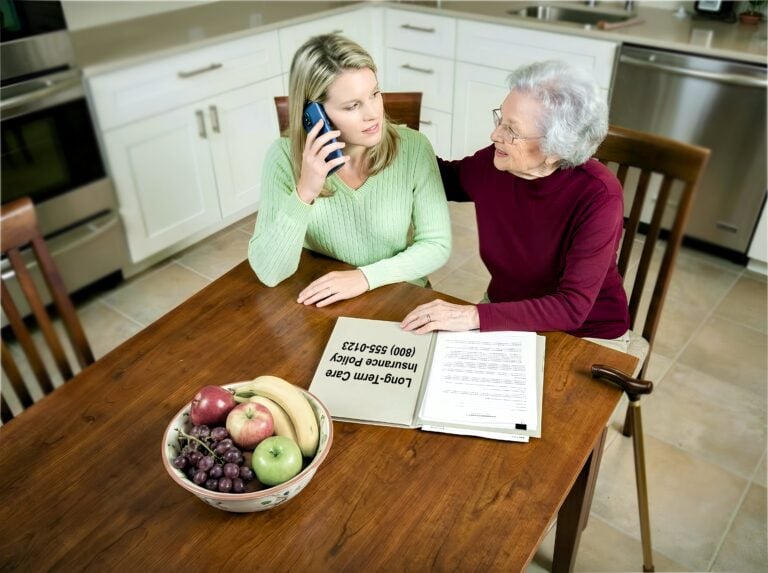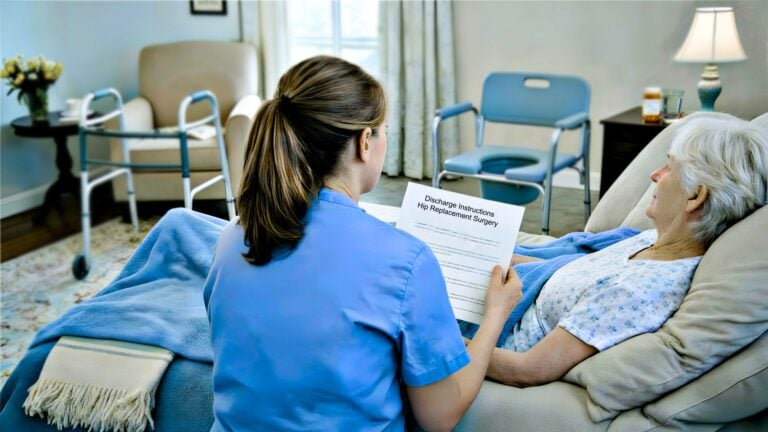

Every November, we pause to celebrate the people who make it possible for millions of Americans to receive care where they want to be most: at home.
National Home Care and Hospice Month, recognized by the National Association for Home Care & Hospice (NAHC), honors the professional caregivers, nurses, therapists, aides, and family members who provide compassionate care in homes across America.
But this isn’t just about appreciation — it’s about recognizing a seismic shift in how Americans receive care.
The numbers tell a powerful story:
- More than 53 million Americans provide unpaid care to family members
- 12+ million people receive paid home care services annually
- 90% of seniors want to age in their own homes — and home care makes that possible
- Home care is the fastest-growing segment of healthcare — projected to grow 25% by 2030
The COVID-19 pandemic permanently changed how we think about care. Hospitals became places of risk. Nursing homes experienced devastating outbreaks. And suddenly, home care wasn’t just a preference — it was a lifeline.
This article celebrates caregivers, explores the future of home care, and explains why more families than ever are choosing to keep their loved ones at home.
The State of Home Care in America (2025-2026 Update)
The Numbers: A Growing Need
The demand for home care has never been higher — and it’s accelerating:
Demographics driving demand:
- 77 million baby boomers are now entering their 70s and 80s
- 10,000 Americans turn 65 every day (and will continue through 2030)
- By 2030, 1 in 5 Americans will be 65 or older
- By 2060, the 85+ population will triple — the group most likely to need care
Current home care utilization:
- 12+ million Americans receive paid home care services
- 4.5 million home care workers provide direct care (home health aides, personal care aides)
- Home care is a $130+ billion industry — and growing rapidly
Family Caregivers: The Hidden Healthcare System
The majority of care in America is provided not by professionals, but by family members.
Updated statistics (2024-2025):
- 53+ million Americans provide unpaid care to adults (up from 43 million in 2015)
- 1 in 5 Americans is a caregiver
- 61% of caregivers are women (though male caregiving is increasing)
- The average caregiver provides 24 hours of care per week
- 24% provide 41+ hours per week (essentially a full-time job)
- Estimated economic value of unpaid caregiving: $600+ billion annually
The toll on family caregivers:
- 23% report their health has declined due to caregiving
- 40-70% experience clinical depression
- $522 billion in lost wages, Social Security, and pensions over caregiving careers
- Caregiving affects career: 61% make work adjustments (cut hours, quit jobs, retire early)
This is why professional home care isn’t a luxury — it’s often essential to prevent family caregivers from burning out.
What Home Care Actually Looks Like
Home care isn’t one thing — it’s a spectrum of services that adapt to individual needs.
Non-Medical Home Care (Personal Care and Support)
What All Heart Home Care and similar agencies provide:
Personal Care
✓ Bathing and showering — Safely, with dignity
✓ Dressing assistance — Selecting clothes, getting dressed
✓ Grooming — Hair care, shaving, oral care
✓ Toileting and incontinence care — Respectfully maintaining hygiene
✓ Mobility assistance — Transfers from bed to chair, walking support
Household Support
✓ Meal planning and preparation — Nutritious meals based on dietary needs
✓ Light housekeeping — Vacuuming, dusting, dishes, bathroom cleaning
✓ Laundry — Washing, folding, putting away
✓ Organization — Keeping the home tidy and safe
Health Support
✓ Medication reminders — Ensuring medications are taken correctly
✓ Appointment coordination — Scheduling, reminders, communication
✓ Exercise encouragement — Supporting physical therapy exercises, daily activity
Transportation and Errands
✓ Medical appointments — Transportation and accompaniment
✓ Grocery shopping — With or without client
✓ Pharmacy runs — Prescription pickup
✓ Errands — Bank, post office, etc.
Companionship
✓ Conversation and social engagement — Reducing isolation
✓ Activities and hobbies — Cards, crafts, reading, puzzles
✓ Outings — Parks, restaurants, visiting friends
✓ Emotional support — Listening, encouragement, presence
Specialized Care
✓ Dementia and Alzheimer’s care — Specialized approaches for cognitive decline
✓ Parkinson’s care — Support for movement and daily activities
✓ Post-surgical recovery — Care during healing
✓ Hospice support — Comfort care at the end of life
✓ Respite care — Giving family caregivers breaks
✓ 24-hour care — Around-the-clock support when needed
Home Health Care (Medical)
Skilled medical services provided in the home (often covered by Medicare):
✓ Skilled nursing — Wound care, IV medications, complex care
✓ Physical therapy — Rehabilitation, strength, mobility
✓ Occupational therapy — Daily living skills, adaptations
✓ Speech therapy — Swallowing, communication
✓ Medical social work — Coordination, resources, counseling
Note: All Heart Home Care provides non-medical personal care and support services. For skilled medical services, we coordinate with home health agencies.
Hospice Care
Comfort-focused care for those with terminal illness (typically prognosis of 6 months or less):
✓ Pain and symptom management — Keeping the patient comfortable
✓ Emotional and spiritual support — For patient and family
✓ Family education and support — Helping families through the process
✓ Bereavement support — For families after death
✓ 24/7 access to hospice team — Support whenever needed
Hospice can be provided at home — allowing people to spend their final months surrounded by family, pets, and familiar surroundings rather than in institutions.
Why Home Care Has Become the Preferred Choice
1. It’s What People Want
The data is overwhelming:
- 90% of seniors want to age at home (AARP survey)
- 77% of adults 50+ wish to remain in their community as they age
- Only 4% want to move to a nursing home or assisted living
- Home care makes this preference possible.
2. It’s Often Better for Health
Research increasingly shows home-based care produces better outcomes:
Reduced hospitalizations:
- Home care patients have 25% fewer hospital readmissions
- Better medication adherence with consistent caregiver support
- Earlier detection of problems through daily observation
Lower infection risk:
- Hospital-acquired infections affect 1 in 31 hospital patients daily
- Nursing home infection outbreaks are common (as COVID demonstrated)
- The home environment is generally safer for immunocompromised individuals
Better mental health:
- Home care patients have lower rates of depression
- Maintaining independence protects self-esteem and dignity
- Familiar environment reduces anxiety and confusion (especially for dementia)
3. It’s More Affordable (Usually)
Comparison of care costs (2024-2025 national averages):
| Care Setting | Monthly Cost |
|---|---|
| Nursing home (semi-private) | $8,000-$10,000 |
| Nursing home (private room) | $9,500-$12,000 |
| Assisted living | $4,500-$6,000 |
| Home care (44 hours/week) | $5,500-$7,500 |
| Home care (20 hours/week) | $2,500-$4,000 |
For many families, home care provides the level of support needed at a lower cost than facility care.
And importantly, home care is flexible. You pay only for the hours you need — no monthly facility fee, whether you use the services or not.
4. It Preserves Independence and Dignity
What seniors lose in facilities:
- Control over daily schedule
- Choice of what and when to eat
- Privacy
- Pets
- Familiar surroundings
- Ability to host visitors freely
What home care preserves:
- Complete control over the environment and routine
- Privacy in their own space
- Pets — hugely crucial for emotional wellbeing
- Familiar possessions — memories, comfort, identity
- Freedom to live life on their terms
5. It’s Personalized
Facility care is standardized—everyone receives the same meals, activities, and schedules.
Home care is individualized:
- Meals prepared to their preferences and dietary needs
- Activities based on their interests and abilities
- Schedule that fits their routine (not the facility’s)
- One-on-one attention (not shared among many residents)
- Caregiver matched to personality and needs
The Future of Home Care (2025-2030)
Home care is evolving rapidly. Here’s what’s coming:
Technology Integration
Remote health monitoring:
- Wearable devices track vital signs continuously
- AI algorithms detect changes that indicate problems
- Alerts to caregivers and medical providers before crises occur
- Reduces hospitalizations by 20-40% in studies
Telehealth:
- Video visits with doctors without leaving home
- Specialist consultations from anywhere
- Medicare permanently expanded telehealth coverage post-COVID
- Integration with an in-home caregiver who can assist during visits
Smart home technology:
- Voice assistants for reminders, communication, and emergency calls
- Motion sensors detect falls or unusual patterns
- Medication dispensers that alert if doses are missed
- Video doorbells and security for safety
Fall detection:
- Wearable devices (Apple Watch, medical alerts) detect falls automatically
- Radar-based room sensors (no wearable needed)
- Automatic alert to family and emergency services
AI-powered care coordination:
- Predictive algorithms identify patients at risk of decline
- Personalized care recommendations
- Automated scheduling and coordination
Hospital-at-Home Programs
One of the most significant healthcare shifts:
What it is: Acute hospital-level care delivered at home for conditions that traditionally required hospitalization (pneumonia, heart failure exacerbations, COPD flares, etc.)
How it works:
- Daily physician or nurse practitioner visits
- IV medications at home
- Remote monitoring of vital signs
- 24/7 access to the medical team
- Coordination with home care for daily needs
Why it matters:
- 30% lower costs than traditional hospitalization
- 38% lower mortality in some studies
- Patients prefer it overwhelmingly
- Medicare now reimburses for Hospital-at-Home programs
- 300+ health systems now offer hospital-at-home
This represents a fundamental shift: The hospital comes to you, not the other way around.
Expanded Services
Home care agencies are expanding beyond traditional services:
Mobile diagnostics:
- X-rays performed at home
- Blood draws at home
- EKGs and other testing
- Lab results without clinic visits
Physical therapy at home:
- PT comes to you
- Exercises in your actual environment
- Medicare often covers
Mental health at home:
- Therapists providing home visits
- Telehealth mental health integration
- Caregiver training for mental health support
Palliative care at home:
- Comfort-focused care for serious illness (not just end-of-life)
- Pain management
- Quality of life focus
Workforce Innovation
The caregiver workforce challenge:
- Demand for caregivers will increase 25%+ by 2030
- Chronic shortage of workers — one of the fastest-growing job categories
- Technology will augment (not replace) human caregivers
- Career pathways emerging (caregiver → home health aide → nursing)
What’s changing:
- Better compensation and benefits for caregivers
- Training and career advancement opportunities
- Technology is reducing the administrative burden
- Recognition of caregiving as a skilled profession
Honoring Caregivers: The Heart of Home Care
National Home Care and Hospice Month is ultimately about the people who provide care.
What Makes a Great Caregiver
The best caregivers possess:
✓ Compassion — Genuine care for the people they serve
✓ Patience — Working with challenging situations without frustration
✓ Reliability — Showing up when expected, every time
✓ Observational skills — Noticing changes that indicate problems
✓ Communication — Keeping families informed, listening to clients
✓ Flexibility — Adapting to changing needs and preferences
✓ Respect — Treating clients with dignity regardless of circumstances
✓ Professionalism — Maintaining boundaries while providing warmth
✓ These qualities can’t be taught in a classroom — they come from character.
How to Honor Caregivers This Month
If you have caregivers in your life — professional or family — consider:
✓ Say thank you — Simple, but meaningful
✓ Write a card or note — Something they can keep
✓ Share a meal — If appropriate to the relationship
✓ Give a gift — Thoughtful gesture of appreciation
✓ Provide a review or testimonial — Helps their career
✓ Tell their employer — Recognition from leadership matters
✓ Advocate for caregiver rights — Better pay, benefits, respect for the profession
For family caregivers specifically:
✓ Offer respite — Give them a break so they can rest
✓ Ask how they’re doing — Really listen
✓ Help with tasks — Meals, errands, anything that lightens the load
✓ Recognize their sacrifice — They’re often overlooked heroes
The Caregivers at All Heart Home Care
What sets our caregivers apart:
✓ Rigorous screening — DOJ Live Scan background checks, reference verification, skills assessment
✓ Professional training — Initial and ongoing education
✓ Supervision and support — We don’t send caregivers out alone; we provide backup and guidance
✓ Carefully matched — We match caregiver personality and skills to client needs
✓ Fairly compensated — We value our caregivers, and it shows in retention
✓ Part of a team — Caregivers aren’t isolated; our entire organization supports them
✓ This month, we honor the caregivers who show up every day with compassion, professionalism, and heart. They enable thousands of seniors in San Diego County to remain in their homes.
The Advantages of Home Care: A Summary
Independence and Freedom
In their own home, clients:
- Sleep when they want
- Eat what and when they want
- Watch their own TV programs
- Enjoy their own hobbies
- Have pets
- Receive visitors anytime
- Control their environment completely
In a facility, all of these are limited or eliminated.
Personalized Care
Home care providers:
- One-on-one attention
- Services tailored to exact needs
- Caregiver matched to personality
- Flexibility as needs change
- Care that fits their life (not institutional schedule)
Privacy and Dignity
At home:
- Private bathroom
- Own bedroom
- No roommates
- Family visits without restrictions
- Intimate moments remain private
Familiar Environment
Research shows familiar surroundings:
- Reduce confusion (especially for dementia)
- Improve mood and well-being
- Support memory through familiar objects
- Provide comfort and security
Cost Control
Home care allows:
- Pay only for hours needed
- Scale up or down as needs change
- Avoid paying for services you don’t use
- Often significantly less expensive than facility care
Family Involvement
Home care enables:
- Family to remain actively involved in care
- Children and grandchildren can visit freely
- Family meals and celebrations at home
- Maintaining family dynamics and relationships
The Bottom Line
National Home Care and Hospice Month reminds us:
✓ Millions of Americans depend on home care — and that number is growing rapidly
✓ Caregivers are heroes — professionals and family members alike
✓ Home care makes it possible to age with dignity — in familiar surroundings, with independence preserved
✓ The future of healthcare is increasingly home-based — hospital-at-home, remote monitoring, and expanded services
✓ Investing in home care is investing in what people actually want — to remain in their homes as long as possible
Whether you’re a caregiver, receive care, or love someone who does — this month is for you.
We’re Here to Help
At All Heart Home Care, we’re proud to be part of the home care community celebrated during National Home Care and Hospice Month.
For 11+ years, we’ve served San Diego County families with compassionate, professional home care that keeps seniors safe, healthy, and independent at home.
Our services include:
✓ Personal care (bathing, dressing, grooming)
✓ Companionship and social engagement
✓ Meal preparation and nutrition support
✓ Medication reminders
✓ Light housekeeping and laundry
✓ Transportation and accompaniment
✓ Dementia and Alzheimer’s care
✓ Post-surgical recovery care
✓ Respite care for family caregivers
✓ 24-hour care when needed
Our rates start at $37/hour (depending on shift length), and we provide transparent pricing — you can get your exact rate with one phone call, no in-home visit required.
Call us at (619) 736-4677 for a free consultation.
Everyone deserves care where they’re most comfortable—at home.
Resources
National Organizations:
- National Association for Home Care & Hospice: nahc.org
- AARP Caregiving Resources: aarp.org/caregiving
- Family Caregiver Alliance: caregiver.org
- Caregiver Action Network: caregiveraction.org
San Diego Resources:
- Area Agency on Aging: aging.ca.gov
- Eldercare Locator: 1-800-677-1116
- FACT San Diego (Transportation): factsandiego.org
- Alzheimer’s San Diego: alzsd.org
Caregiver Support:
- Caregiver support groups — Check local senior centers
- Respite care — Give yourself a break (All Heart provides respite care)
- Employee assistance programs — Many employers offer caregiver support