Outdoor Activities for Seniors: Why Nature Is the Best Medicine

outdoor activities for seniors

As the chill of winter fades and San Diego’s perfect spring weather arrives, there’s no better time to help your loved one reconnect with the outdoors. Outdoor activities for seniors offer far more than fresh air and sunshine — research now shows that time in nature directly improves physical health, mental wellbeing, and cognitive function in older adults.

At All Heart Home Care, we’ve seen firsthand how outdoor activities for seniors can transform their daily quality of life. Whether it’s a gentle walk through Balboa Park, tending to a backyard garden, or simply enjoying lunch on the patio, these moments in nature provide measurable health benefits that complement any care plan.


The Science Behind Outdoor Activities for Seniors

Recent research has quantified what many caregivers have long observed: spending time outdoors significantly improves health outcomes for older adults. A landmark study published in Scientific Reports found that people who spend at least 120 minutes per week in nature are 59% more likely to report good health and 23% more likely to report high psychological well-being compared to those with no nature exposure.

What makes this finding particularly relevant for seniors? The study found this 120-minute threshold applied equally to older adults and those with long-term health conditions. It didn’t matter whether the time was achieved in one long visit or several shorter outings — the benefits remained consistent.

Key Research Findings on Nature and Senior Health

The evidence supporting outdoor activities for seniors continues to grow:

  • A 2024 study in BMC Public Health found that outdoor activities reduce medical expenditures by improving mental health, cognition, eating habits, and activities of daily living
  • Research in Environmental Health Perspectives found that greater exposure to green spaces is associated with a 12% lower mortality rate
  • Seniors over 70 who spend ample time outdoors experience fewer aches, increased mobility, and better sleep quality
  • Nature exposure helps regulate circadian rhythms, improving sleep-wake cycles that often become disrupted with age
  • Time outdoors triggers serotonin production, naturally elevating mood and reducing feelings of depression

How Outdoor Activities for Seniors Benefit the Body and Mind

Vitamin D and Bone Health

One of the most significant benefits of outdoor activities for seniors is the production of vitamin D. As we age, our skin becomes less efficient at synthesizing vitamin D from sunlight — yet this nutrient remains critical for bone health, immune function, and mood regulation.

Research suggests that seniors should aim for 20-30 minutes of sunlight exposure each day, five days per week, to maintain healthy vitamin D levels. A Swedish study found that nursing home residents who were encouraged to spend time outdoors showed significant improvements in both vitamin D levels and self-perceived mental health.

In San Diego, our mild climate makes year-round outdoor time possible — a genuine advantage for maintaining vitamin D levels naturally.

Cognitive Benefits and Brain Health

Outdoor activities for seniors do more than strengthen the body — they protect the brain. Nature exposure has been shown to improve attention span, memory function, and overall cognitive performance.

Walking on varied terrain, like garden paths or park trails, challenges the hippocampus and exercises spatial navigation skills. This supports neuroplasticity — the brain’s ability to adapt and form new connections — which is essential for maintaining cognitive function as we age.

For seniors with early signs of cognitive decline, regular time outdoors can be particularly beneficial. Studies suggest that exposure to natural environments may help slow cognitive decline, reduce agitation, and improve mood.

Physical Health and Fall Prevention

The physical benefits of outdoor activities for seniors extend well beyond basic exercise. Walking on natural surfaces — grass, packed dirt trails, or gentle slopes — provides balance challenges that indoor environments simply cannot replicate.

This varied terrain helps seniors:

  • Build core strength naturally
  • Improve reflexes and coordination
  • Strengthen the cardiovascular system
  • Maintain joint flexibility and reduce stiffness
  • Reduce the risk of falls — a leading cause of injury in older adults

Seven Outdoor Activities for Seniors to Enjoy This Spring

The best outdoor activities for seniors combine physical engagement, sensory stimulation, and social connection. Here are seven activities our caregivers frequently enjoy with clients throughout San Diego County:

1. Gentle Nature Walks

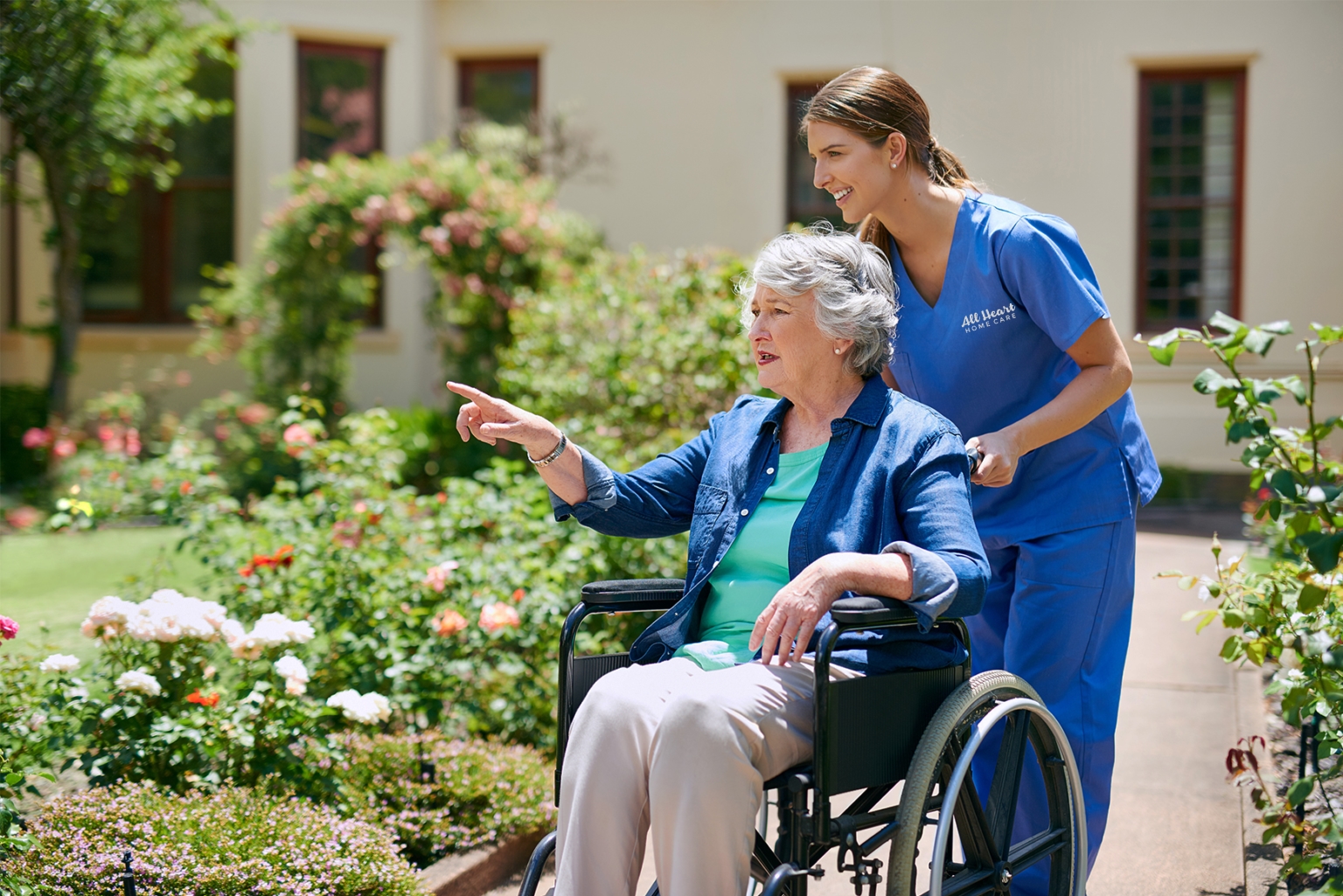
Walking remains one of the most accessible and beneficial outdoor activities for seniors. Our caregivers accompany clients on walks tailored to their mobility level — from a slow stroll around the block to longer outings through local parks.

San Diego offers excellent options for senior-friendly walking, including the flat paths at Mission Bay Park, the shaded trails at Lake Murray, and the accessible walkways throughout Balboa Park. Our caregivers provide steady support, engaging conversation, and the confidence your loved one needs to enjoy being outdoors safely.

2. Therapeutic Gardening

Gardening is one of the most thoroughly researched outdoor activities for seniors, with documented benefits for both physical and mental health. A 2024 meta-analysis found that horticultural therapy helps seniors reduce stress, lower waist circumference, and improve psychological well-being.

Our caregivers assist with gardening tasks adapted to your loved one’s abilities:

  • Container gardening and raised beds for those with limited mobility
  • Planting seasonal flowers or herbs
  • Light weeding, watering, and plant care
  • Harvesting vegetables or cutting flowers for indoor arrangements
  • Simply enjoying the sensory experience of being in the garden

The physical activity of gardening — bending, reaching, carrying — provides gentle exercise while the connection to growing things offers emotional fulfillment and a sense of purpose.

3. Birdwatching and Wildlife Observation

Birdwatching has become one of the most popular outdoor activities for seniors because it requires minimal physical exertion while providing substantial mental engagement. Identifying different species, observing behaviors, and listening to birdsong stimulates cognitive function and attention.

San Diego County is home to hundreds of bird species, making it an ideal location for this peaceful activity. Our caregivers can help set up bird feeders in the backyard, plan visits to local nature preserves, or simply sit with your loved one in a quiet outdoor spot to observe the natural world.

4. Outdoor Dining and Picnics

Sharing a meal outdoors transforms routine nutrition into a sensory experience. The combination of fresh air, natural lighting, and pleasant surroundings can improve appetite and make mealtimes more enjoyable — particularly important for seniors who may struggle with nutrition.

Our caregivers prepare nutritious meals and can arrange outdoor dining in the backyard, on a patio, or at a local park. These outings often become opportunities for reminiscing, storytelling, and meaningful conversation.

5. Nature Excursions and Scenic Drives

For seniors with limited mobility, scenic drives and brief nature visits offer accessible ways to experience the outdoors. San Diego’s diverse landscapes — from coastal views to mountain vistas — provide endless opportunities for exploration.

Popular destinations include the San Diego Botanic Garden in Encinitas, the Japanese Friendship Garden in Balboa Park, and scenic coastal routes through La Jolla and Del Mar. Our caregivers handle all logistics — transportation, mobility assistance, and companionship — so your loved one can simply enjoy the experience.

6. Gentle Outdoor Exercise

Spring’s mild temperatures create ideal conditions for light exercise outdoors. Chair yoga on the patio, gentle stretching in the garden, or tai chi movements in the backyard allow seniors to build strength and flexibility while enjoying fresh air and natural surroundings.

Moving outdoors also provides natural motivation — the pleasant environment makes exercise feel less like work and more like enjoyment. For more detailed exercise guidance, see our guide to light exercise ideas for seniors.

7. Social Gatherings and Community Events

Outdoor activities for seniors naturally create opportunities for social connection. Whether it’s visiting a farmers market, attending an outdoor concert, or simply chatting with neighbors while sitting on the front porch, these interactions combat the isolation that too often affects older adults.

Our caregivers facilitate social engagement by arranging outings, accompanying seniors to community events, and helping maintain connections with friends and family through outdoor visits.


Safety Tips for Outdoor Activities with Seniors

While outdoor activities for seniors offer tremendous benefits, safety considerations are essential. Here’s how to help your loved one enjoy the outdoors safely:

Sun Protection — Use sunscreen, wear a hat, and seek shade during peak UV hours (typically 10 AM to 4 PM). Morning and late afternoon are ideal times for outdoor activities.

Hydration — Older adults may have reduced thirst sensation. Bring water and encourage regular sips, especially during warmer weather.

Appropriate Footwear — Supportive, non-slip shoes are essential for preventing falls on varied terrain.

Weather Awareness — Check conditions before heading out. Even San Diego can experience temperature swings, especially between coastal and inland areas.

Mobility Support — Use canes, walkers, or wheelchairs as needed. Many San Diego parks offer accessible paths and seating areas.

Medical Considerations — Consult with healthcare providers about any conditions that might affect outdoor activity, and carry necessary medications.


How Home Care Supports Outdoor Activities for Seniors

Many families want their loved ones to enjoy more time outdoors but worry about safety, logistics, or physical limitations. This is where professional home care makes a meaningful difference.

Our caregivers at All Heart Home Care provide the support that makes outdoor activities for seniors both safe and enjoyable:

  • Walking companionship with steady support and fall prevention awareness
  • Transportation and mobility assistance for outings beyond the home
  • Gardening help adapted to your loved one’s physical abilities
  • Meal preparation for outdoor dining and picnics
  • Social engagement and meaningful conversation during activities
  • Safety monitoring to ensure hydration, sun protection, and appropriate rest

Whether your family needs a few hours of respite care weekly or comprehensive 24-hour support, outdoor activities can become a regular part of your loved one’s care plan.


References

  1. White, M.P., et al. (2019). Spending at least 120 minutes a week in nature is associated with good health and well-being. Scientific Reports, 9, 7730. https://www.nature.com/articles/s41598-019-44097-3
  2. BMC Public Health. (2024). The effect of outdoor activities on the medical expenditure of older people: multiple chain mediating effects of health benefits. https://bmcpublichealth.biomedcentral.com/articles/10.1186/s12889-024-18719-z
  3. Yun, J., et al. (2024). Effects of horticultural therapy on health in the elderly: A review and meta-analysis. Journal of Public Health, 32, 1905–1931. https://link.springer.com/article/10.1007/s10389-023-01938-w
  4. The Journal of Nutrition, Health & Aging. (2020). Sunlight Exposure and Vitamin D Levels in Older People—An Intervention Study in Swedish Nursing Homes. https://pubmed.ncbi.nlm.nih.gov/33244559/
  5. National Environmental Education Foundation. (2024). Enjoy the Health Benefits of the Outdoors at Any Age. https://www.neefusa.org/story/health-and-environment/enjoy-health-benefits-outdoors-any-age

Bring the Benefits of Nature to Your Loved One

The research is clear: outdoor activities for seniors aren’t just pleasant pastimes — they’re powerful tools for maintaining health, independence, and quality of life. And in San Diego, we’re fortunate to have a climate that allows year-round outdoor enjoyment.

At All Heart Home Care, our caregivers are passionate about helping seniors experience the restorative benefits of time in nature. From daily walks around the neighborhood to special outings to local gardens and parks, we make outdoor activities a safe, supported part of your loved one’s routine.

As a veteran-owned, nurse-led agency serving San Diego families since 2014, we understand that great care goes beyond basic tasks. It includes helping your loved one live fully — and that means getting outside to enjoy the sunshine, fresh air, and natural beauty that surrounds us.

Ready to help your loved one thrive outdoors? Call us at (619) 736-4677 to schedule a free consultation. We serve families throughout San Diego County.

Disclaimer: This article is for informational purposes only and does not constitute medical advice. Always consult with qualified healthcare providers before starting any new activity program with your loved one. Outdoor activities should be adapted to individual health conditions and physical abilities.

Share:

More Posts

About the author

Eric Barth, co-founder and CEO of All Heart Home Care San Diego

Eric Barth

CEO, All Heart Home Care

Eric Barth is the founder and CEO of All Heart Home Care™, an award-winning San Diego agency dedicated to providing compassionate, personalized in-home care for seniors. As the writer behind the All Heart Home Care blog, Eric shares insights and stories drawn from years of hands-on experience leading one of San Diego’s most trusted home care teams.

Additional FAQ's on Digital Home Care System

Yes. HITRUST CSF Certified security—same gold standard hospitals use. More secure than paper.

Extremely rare (99.9% uptime), but caregivers can work in offline mode if connectivity is temporarily lost. Care continues without interruption. Documentation syncs automatically when connection returns.

Caregivers document throughout their shift in real-time. Notes are typically finalized and visible in Family Room within minutes of the caregiver clocking out.

We can set up Family Room accounts for as many family members as you want—local siblings, children in other states, anyone you authorize. Everyone sees the same information. No limit on number of accounts.

Yes. Family Room includes secure document storage. Upload medical records, insurance cards, POLST forms, medication lists, doctor’s instructions, photos—anything important. All authorized family members can access these documents. No more searching for forms.

We update the digital care plan immediately, and all caregivers receive instant notification of changes. This is one of the biggest advantages over paper—updates reach everyone simultaneously, not gradually over days or weeks.

Absolutely. Family Room is a tool for families who want it, not a replacement for human connection. We’re always reachable by phone at (619) 736-4677. Many families use both—portal for quick updates, phone calls for detailed conversations.

We train every caregiver on the WellSky mobile app before their first shift. The app is intuitive—designed specifically for caregivers, not engineers. If someone can text and use GPS navigation, they can use our caregiver app. And we provide ongoing support.

Yes. The Family Room care calendar shows upcoming shifts with caregiver names and times. You’ll know exactly who’s coming and when. No more surprise caregiver switches.

Use the two-way messaging feature in Family Room. Send your message, and the caregiver receives an instant notification on their mobile app. They’ll see it and can respond or confirm receipt immediately.

Yes. All notes are searchable. Want to see every mention of “appetite” from the past month? Type it in the search bar and find all relevant notes instantly. No more flipping through pages of handwritten entries.

You can access the complete care history from the day Family Room access began. Review notes from last week, last month, or since care started. Historical data helps identify patterns over time.

Family members cannot delete caregiver documentation—that’s protected and maintained by All Heart for record-keeping purposes. You can delete your own uploaded documents, but we can often recover those if needed within a certain timeframe.

With your authorization, we can provide limited Family Room access to healthcare providers. This allows better coordination between home care and medical teams. You control exactly who has access and what they can see.

Family Room works both ways. You can access it through any web browser (Chrome, Safari, Firefox, Edge) on your computer, or download the mobile app for easier access on your phone or tablet. Your choice.

All authorized Family Room users see the same care information—we can’t create different access levels for different family members. However, you (as the primary contact) control who gets Family Room access in the first place. If family dynamics are challenging, you decide who receives login credentials.

The messaging system shows when messages are delivered and read. You’ll see confirmation that the caregiver received and opened your message. For critical information, you can also call our office to ensure the message was received.

Yes. You can print individual shift notes, date ranges, or specific types of documentation (like Change of Condition reports) directly from Family Room. Useful for doctor appointments or insurance purposes.

If your loved one transitions to hospice, hospital, or another care setting, we can maintain your Family Room access for a transition period so you have complete records. After care ends, we provide a final data export if requested, then access is closed according to your wishes and legal requirements.

Yes. Family Room is accessible from anywhere with internet connection. If you’re traveling abroad, you can still check on your loved one’s care. The system works globally.

Family Room doesn’t support selective information sharing—all authorized users see the same care documentation. For private family communications, you’d need to use personal email, phone, or text outside the Family Room system.

Change of Condition reports automatically alert you when caregivers document significant health changes. For custom alerts (like specific behaviors or situations), talk to our office—we may be able to add special flags to your loved one’s care plan that trigger notifications.

We typically set up Family Room access during your initial care planning meeting, before the first caregiver shift. You’ll have login credentials and a brief tutorial on how to use the portal. Most families are viewing their first shift notes within 24 hours of care beginning.

Complete Security & Privacy Information

HITRUST CSF Certification - What This Means

HITRUST CSF (Common Security Framework) is the most rigorous security certification in healthcare. It's harder to achieve than HIPAA compliance alone. This certification requires:

Why it matters: If it’s secure enough for hospital patient records, it’s secure enough for your loved one’s care information.

Bank-Level Encryption Explained

Data in Storage (At Rest):

Data in Transmission (In Transit):

What this means: Even if someone intercepted the data (extremely unlikely), they would only see scrambled, unreadable information.

Strict Access Controls

Who Can See What

Family Member Access:

Caregiver Access:

Staff Access:

Audit Trail:

HIPAA Compliance - Federal Protection

The Health Insurance Portability and Accountability Act (HIPAA) establishes federal standards for protecting health information. Our compliance includes:

Privacy Rule Compliance:

Security Rule Compliance:

Breach Notification:

Business Associate Agreements:

Continuous Backup & Disaster Recovery

Automated Backups:

Redundancy:

Disaster Recovery Plan:

What this guarantees: Your loved one’s care information is never truly lost. Even if an entire data center were destroyed, complete backups exist elsewhere.

99.9% Uptime Guarantee

What “99.9% uptime” means:

Monitoring:

If the system goes down:

Multi-Factor Authentication (Optional)

For families who want extra security, we can enable multi-factor authentication (MFA):

Mobile Device Security

Caregiver Phones:

Your Devices:

Security Incident Response

In the extremely unlikely event of a security concern:

Digital vs. Paper Security Comparison

Security Concern
Paper Binders
WellSky_Color

Who can read it?

Anyone who enters the home

Only authorized users

Can it be lost?

✔︎ — permanently

— backed up continuously

Can it be damaged?

✔︎ — spills, fires, floods

— stored digitally

Is access tracked?

✔︎ Access logged & audited

Encryption protection?

✔︎ — bank-level encryption

Updates reach everyone?

— printing/distribution delays

✔︎ — instant notification

Survives disasters?

✔︎ — redundant backups

HIPAA compliant?

— difficult to prove

✔︎ — certified & audited

Can be accidentally discarded?

✔︎

— requires a password

Verdict: Digital is significantly more secure than paper in every measurable way.

Common Security Questions

"What if I forget my password?"

Secure password reset process via email or phone verification. We verify your identity before resetting access.

"Can hackers access the system?"

Multiple layers of security make unauthorized access extremely difficult. Regular penetration testing simulates attacks to identify and fix vulnerabilities before hackers can exploit them.

"What if my phone is stolen?"

Change your password immediately from any other device. The thief would still need your password to access Family Room.

"Can All Heart staff see my credit card information?"

No. Payment processing is handled by a separate, PCI-compliant payment processor. We never see or store your full credit card number.

"What happens to the data if I stop using All Heart?"

Your data is retained according to legal requirements (typically 7 years for healthcare records), then securely deleted. You can request a copy of your data at any time.

This isn’t just secure—it’s among the most secure systems available in healthcare.

Your information is safer in our digital system than it ever was in a paper binder sitting on a kitchen counter.

Complete Care Plan Contents:

Care Goals & Priorities

Emergency Contact Information

Medical Conditions & Health History

Mental Health & Cognitive Status

Medications & Supplements

Mobility & Transfers

Personal Care Routines

Meal Preparation & Dietary Needs

Daily Routines & Schedules

Activities & Engagement

Home Environment Details

Transportation & Driving

Additional Important Information

This comprehensive information ensures every caregiver provides consistent, personalized care from day one.

Tracking health changes that matter.

The Change of Condition form documents significant shifts in your loved one’s health—new symptoms, changes in mobility, behavioral differences, or improvements in their condition. This isn’t about minor day-to-day variations; it’s about meaningful changes that physicians, families, and caregivers need to know about.

Why have a separate form for this?

Instead of searching through weeks of caregiver narratives to find when symptoms started or conditions changed, this form puts all significant health changes in one easy-to-reference place. When doctors ask “when did the difficulty walking begin?” or family members want to understand the progression of a condition, you’ll have clear, dated documentation right at your fingertips.

What gets documented:

Each entry includes:

Why this form matters:

Early detection changes outcomes. When caregivers notice something different—increased confusion, difficulty walking, loss of appetite, or even positive improvements like better mobility—documenting it immediately allows for faster responses.

Your family stays informed about meaningful health changes. Physicians receive accurate updates during appointments instead of relying on memory. Incoming caregivers know exactly what’s changed and what new precautions or assistance your loved one needs.

One form. Complete health timeline. Better care.

Whether tracking a temporary change after a fall or documenting the progression of a chronic condition, the Change of Condition form creates a clear health timeline. This helps everyone—doctors, family members, and our San Diego caregiver team—understand how your loved one’s needs are evolving and respond appropriately.

Proactive monitoring isn’t just good practice. It’s essential senior care.

How the Caregiver Narrative works.

Each caregiver documents their shift using a simple timeline format that captures the essential details of your loved one’s day. This structured approach ensures consistency across all caregivers and makes information easy to find.

What we document in every narrative:

Narrative Format:

Each entry follows this structure:

Why this format works:

This timeline approach provides clear, chronological documentation that’s easy for incoming caregivers to read and understand. Instead of wondering what happened during the previous shift, they can see exactly what your loved one ate, how they felt, what activities they enjoyed, and any health changes observed.

One record. Every shift. Complete continuity.

Whether care is short-term, long-term, or evolving, the Caregiver Narrative ensures nothing gets missed and nothing gets repeated. Your family can review the journal at any time during visits, or we can share photos of recent narratives with long-distance family members who want to stay connected and informed.

Complete transparency and peace of mind, right when you need it.

Your loved one's complete care roadmap, now available digitally.

The All Heart Customized Care Plan is completed during your initial assessment and tailored to your loved one’s specific needs, preferences, mobility level, and safety requirements.

Now fully digital and accessible on every caregiver’s phone.

We’ve gone paperless. Your care plan is accessible through our digital platform—caregivers reference it anytime, anywhere. Updates happen in real-time, so when something changes, every caregiver sees it immediately.

What's included:

Care goals, emergency contacts, medical conditions, mental health & cognitive status, medications & supplements, mobility & transfers, personal care routines, meal prep & dietary needs, daily routines, activities & engagement, and home environment details.

One plan. Every caregiver. Consistent care.

This digital approach ensures every San Diego caregiver has the same accurate, up-to-date information from day one—promoting safety, continuity, and person-centered care.

See how we organize care information. This form becomes your loved one’s digital care roadmap.