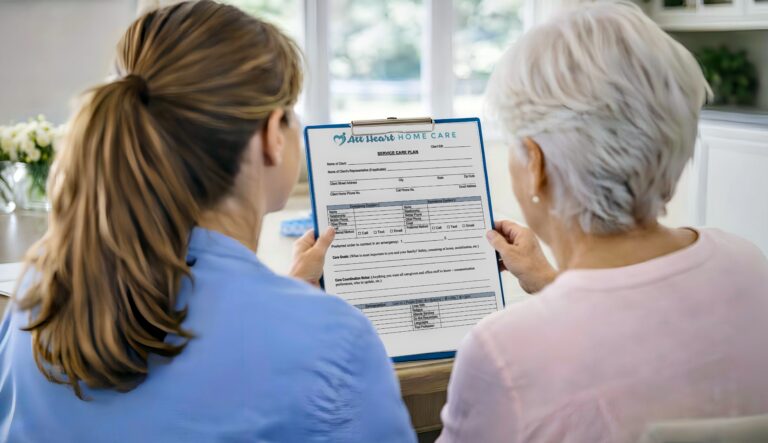
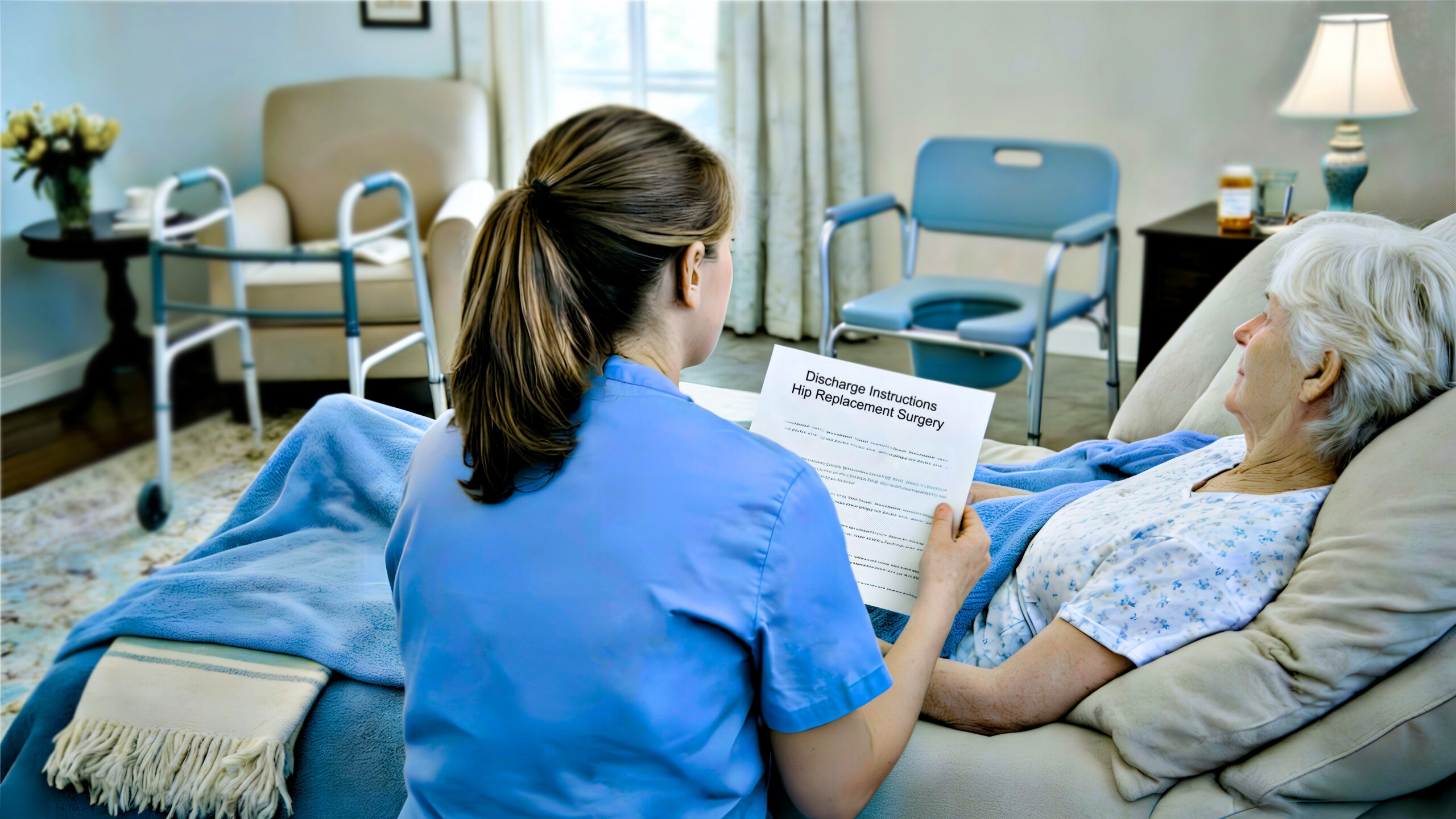
The surgery went well. The doctors are pleased. Now comes the part no one fully prepares you for: recovery at home.
For families navigating post-surgery home care, the weeks following discharge can feel overwhelming. Between managing medications, attending follow-up appointments, monitoring for complications, and simply helping your loved one with daily activities, the responsibilities pile up quickly. And the stakes are high — research shows that what happens at home after surgery directly impacts whether your loved one heals smoothly or ends up back in the hospital.
At All Heart Home Care, we’ve supported hundreds of San Diego families through surgical recovery. This guide shares what we’ve learned — and what the research shows — about successful post-surgery home care.
Why Post-Surgery Home Care Matters More Than You Think
The first 30 days after surgery are critical. This is when complications are most likely to develop, medication errors are most likely to occur, and falls can undo weeks of healing.
A 2024 Yale study published in JAMA Network Open found that among older adults who had major surgery, nearly 1 in 8 (11.6%) were readmitted to the hospital within 30 days. Within six months, that number climbed to more than 1 in 4 (27.6%).
The numbers are even higher for those with frailty or cognitive conditions like dementia.
What Drives Hospital Readmissions After Surgery?
Research identifies several factors that increase the risk of being readmitted after surgery:
- Postoperative complications — The single biggest predictor of readmission, with patients experiencing any complication being 4.2 times more likely to be readmitted
- Surgical site infections — Often result from improper wound care at home
- Medication errors — Missing doses, taking incorrect amounts, or dangerous drug interactions
- Falls — Particularly common when patients are weakened, on pain medication, or trying to do too much too soon
- Malnutrition and dehydration — The body needs proper fuel to heal
- Lack of support at home — Patients without adequate help are more likely to miss warning signs or skip critical care tasks
The good news? Many of these factors are preventable with proper post-surgery home care and support.
Recovery Timelines: What to Expect After Common Surgeries
Understanding realistic recovery timelines helps families plan appropriate post-surgery home care. Every patient heals differently, but here’s what research and clinical experience suggest:
Hip Replacement Recovery
Hip replacement has become one of the most successful surgeries in modern medicine. Many patients now go home the same day or after just one night in the hospital.
Typical Timeline:
- Day 1: Most patients can stand and walk with assistance
- Weeks 1-2: Use a walker or cane; need significant help with daily activities
- Weeks 3-6: Gradually transition from walker to cane; incision healing
- Months 2-3: Return to most daily activities; still avoiding high-impact movement
- 6-12 months: Full recovery; return to recreational activities
Post-surgery home care needs: Mobility assistance, fall prevention, help with bathing and dressing, transportation to physical therapy, and medication management.
Knee Replacement Recovery
Knee replacement typically requires a longer, more intensive recovery than hip replacement because of the complexity of the knee joint.
Typical Timeline:
- Days 1-3: Hospital stay (or same-day discharge for some); begin physical therapy
- Weeks 1-3: Use walker or crutches; significant pain and swelling
- Weeks 4-6: Swelling decreases; mobility improves; some daily activities become easier
- Weeks 6-12: Most can walk without assistance; return to many normal activities
- 6-12 months: Full strength and endurance recovery
Post-surgery home care needs: Intensive early support, ice therapy, elevation assistance, help with exercises, wound care, and transportation.
Cardiac Surgery Recovery
Heart surgeries — including bypass, valve repair, and pacemaker implantation — require careful monitoring during recovery.
Typical Timeline:
- Weeks 1-2: Limited activity; focus on rest and wound healing
- Weeks 3-6: Gradual increase in walking; still avoiding lifting and driving
- Weeks 6-12: Cardiac rehabilitation; return to light activities
- 3-6 months: Full recovery for most patients
Post-surgery home care needs: Vital sign monitoring, medication management (often complex regimens), enforcement of activity restrictions, and emotional support.
Abdominal Surgery Recovery
Recovery from abdominal procedures — including gallbladder removal, hernia repair, and colorectal surgery — varies significantly based on whether the approach was minimally invasive or open.
Typical Timeline (Open Surgery):
- Weeks 1-2: Limited mobility; managing pain; dietary restrictions
- Weeks 3-6: Gradual return to normal diet and activities; no heavy lifting
- 6-8 weeks: Full recovery for most patients
Post-surgery home care needs: Wound care, assistance with mobility, meal preparation (often dietary restrictions), and constipation management.
Warning Signs That Require Immediate Attention
Part of effective post-surgery home care is knowing when something isn’t right. Contact your healthcare provider immediately if you notice any of these warning signs:
▶ Signs of Infection:
- Fever over 101°F (38.3°C)
- Increasing redness, warmth, or swelling around the incision
- Pus or foul-smelling drainage from the wound
- Red streaks extending from the incision site
▶ Signs of Blood Clots:
- Sudden swelling in one leg
- Pain or tenderness in the calf or thigh
- Warmth or redness in the affected leg
- Shortness of breath or chest pain (may indicate pulmonary embolism — call 911)
▶ Other Concerning Symptoms:
- Severe or worsening pain not relieved by medication
- Difficulty breathing
- Persistent nausea, vomiting, or inability to keep fluids down
- Confusion or unusual drowsiness
- Inability to urinate or have a bowel movement for extended periods
Having a caregiver present during post-surgery home care means someone is watching for these warning signs around the clock — and can take action quickly if something seems wrong.
How Professional Post-Surgery Home Care Prevents Complications
Research consistently shows that proper support during recovery reduces complications and readmissions. Here’s how professional caregivers make a difference:
Medication Management
After surgery, patients often go home with a complex medication regimen — pain relievers, antibiotics, blood thinners, and their regular prescriptions. Missing doses or taking medications incorrectly can lead to complications.
Our caregivers provide medication reminders, help organize pill schedules, and monitor for side effects or adverse reactions.
Fall Prevention
Falls are among the most dangerous complications during post-surgery home care. Patients may be weakened, unsteady from pain medication, or simply trying to do too much too soon. A fall can undo weeks of healing or cause new injuries requiring additional surgery.
Caregivers provide mobility assistance, help with transfers, and ensure patients don’t overexert themselves. We also help identify and address fall hazards in the home.
Wound Care Support
Surgical site infections are a leading cause of hospital readmission. Proper wound care — keeping incisions clean, dry, and protected — is essential for healing.
While our caregivers don’t perform medical wound care, they help patients follow their surgeon’s instructions, monitor for signs of infection, and ensure the wound area stays clean.
Nutrition and Hydration
The body needs proper fuel to heal. Many patients lose their appetite after surgery or struggle to prepare meals while recovering. Dehydration and malnutrition can slow healing and increase the risk of complications.
Caregivers prepare nutritious meals, encourage adequate fluid intake, and help patients follow dietary restrictions set by their healthcare team.
Physical Therapy Support
After orthopedic surgeries, physical therapy is crucial for recovery. But when patients are alone, they may skip exercises or perform them incorrectly.
Caregivers provide encouragement, help with prescribed exercises between therapy sessions, and provide transportation to appointments.
Emotional Support
Recovery can be isolating and frustrating. Patients may feel depressed about their temporary limitations or anxious about their healing progress.
Simply having someone present — for conversation, companionship, and reassurance — makes a meaningful difference in recovery outcomes.
Preparing Your Home for Post-Surgery Recovery
Before your loved one comes home from the hospital, take time to prepare their environment:
✓ Clear pathways — Remove loose rugs, cords, and clutter that could cause falls
✓ Install grab bars — Especially in the bathroom near the toilet and shower
✓ Arrange sleeping on one level — If possible, set up a bed on the main floor to avoid stairs
✓ Ensure adequate lighting — Especially along paths to the bathroom
✓ Stock up on supplies — Medications, bandages, easy-to-prepare foods, and any medical equipment
✓ Prepare a recovery station — A comfortable chair or bed with essentials within reach: phone, TV remote, water, medications, and reading materials
✓ Arrange for help — Line up family support or professional caregivers before surgery so you’re not scrambling after discharge
When to Consider Professional Post-Surgery Home Care
Not every surgery requires professional caregivers. But consider arranging support if:
- Your loved one lives alone or will be alone for significant portions of the day
- The surgery involves major joint replacement, cardiac procedures, or complex recovery
- Your loved one has cognitive issues that make following instructions difficult
- There are mobility limitations requiring assistance with walking, bathing, or toileting
- The medication regimen is complex
- Family caregivers work or have other responsibilities that prevent full-time presence
- Your loved one is at a higher risk of falls
Post-surgery home care can be arranged for just a few hours a day, overnight only, or around the clock — whatever your family needs.
References
- Becher, R.D., et al. (2024). National Estimates of Short- and Longer-Term Hospital Readmissions After Major Surgery Among Community-Living Older Adults. JAMA Network Open. https://jamanetwork.com/journals/jamanetworkopen/fullarticle/2815588
- Risk Factors for 30-Day Hospital Readmission among General Surgery Patients. Journal of the American College of Surgeons. https://pmc.ncbi.nlm.nih.gov/articles/PMC3423490/
- UPMC HealthBeat. (2025). Knee or Hip Replacement Recovery Timeline. https://share.upmc.com/2025/01/hip-or-knee-replacement-surgery/
- Johns Hopkins Medicine. Hip Replacement Recovery Q&A. https://www.hopkinsmedicine.org/health/treatment-tests-and-therapies/hip-replacement-recovery-qa
- Agency for Healthcare Research and Quality. Toolkit for Improving Surgical Care and Recovery. https://www.ahrq.gov/news/newsletters/e-newsletter/870.html
Recovery Support When You Need It Most
The days and weeks after surgery don’t have to be overwhelming. With the right support, your loved one can heal safely at home — avoiding complications, preventing falls, and returning to independence faster.
At All Heart Home Care, our caregivers are experienced in post-surgery home care, including hip and knee replacements, cardiac procedures, and abdominal surgeries. We work alongside your healthcare team to ensure discharge instructions are followed precisely and warning signs are caught early.
As a veteran-owned, nurse-led agency serving San Diego County since 2014, we understand that recovery is about more than checking boxes on a care plan. It’s about helping your loved one feel safe, supported, and confident as they heal.
Planning for an upcoming surgery? Already home and need support?
Call us at (619) 736-4677 for a free consultation. We serve families throughout San Diego County. Same-day starts are available for urgent situations.
Disclaimer: This article is for informational purposes only and does not constitute medical advice. Always follow the specific instructions from your surgical team and contact your healthcare provider with any concerns about your recovery. Post-surgical care should be coordinated with your medical team.