
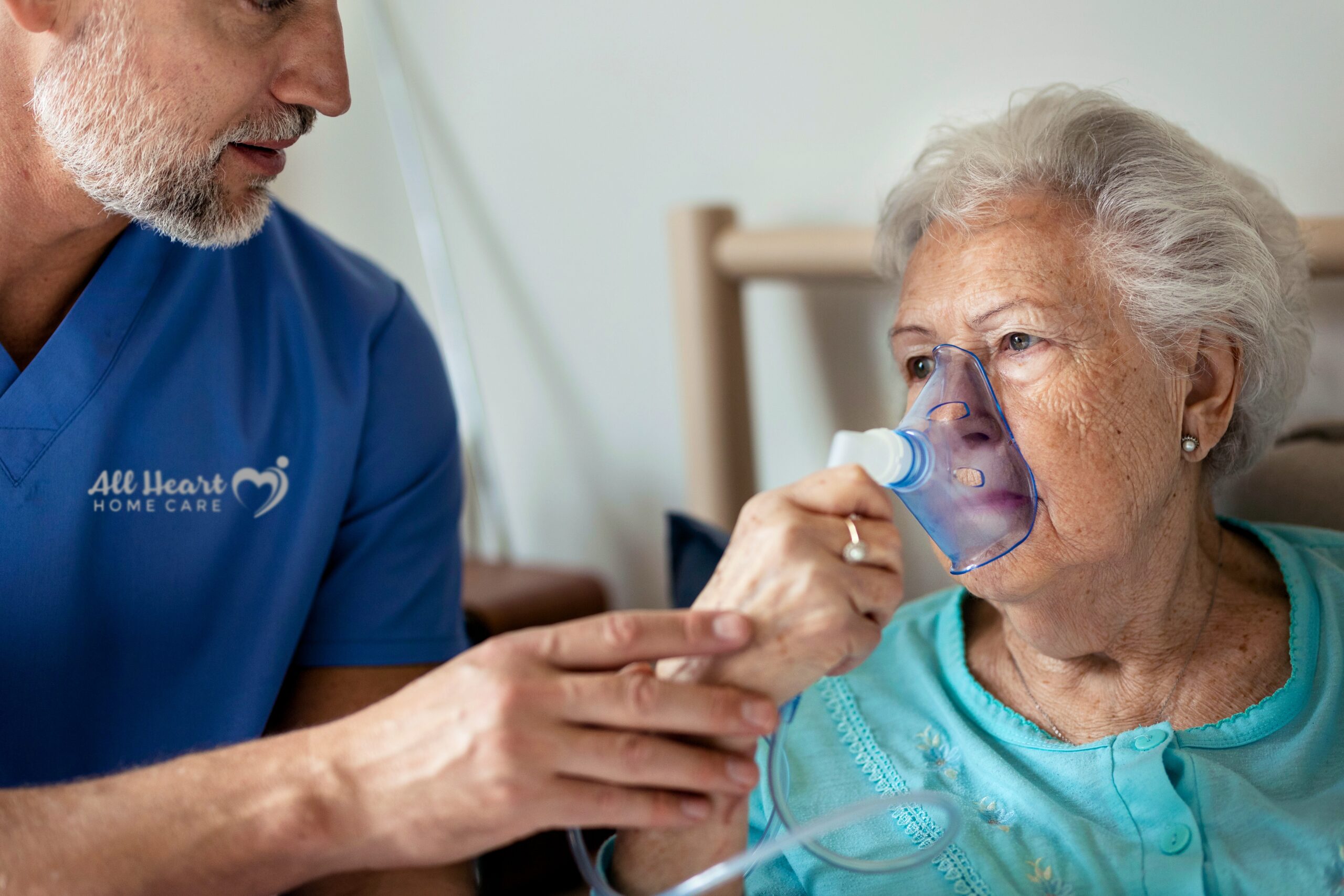
If you have Chronic Obstructive Pulmonary Disease (COPD), respiratory infections aren’t just inconvenient — they can be life-threatening.
The facts are sobering: Respiratory infections trigger 50-70% of COPD exacerbations, and winter months see at least 30% more COPD hospitalizations compared to summer. For seniors with compromised lung function, even a common cold can spiral into pneumonia, hospitalization, or worse.
But here’s the good news: with the right prevention strategies, you can dramatically reduce your risk of infection and protect your lungs.
This comprehensive guide covers everything seniors with COPD need to know about avoiding respiratory infections — from the latest vaccine recommendations to daily prevention habits to airway clearance techniques that help keep your lungs healthy.
Understanding the Stakes: Why Infections Are So Dangerous for COPD Patients
COPD by the Numbers (2023-2025 Data)
According to CDC data from April 2025:
- 3.8% of U.S. adults have diagnosed COPD (age-adjusted prevalence)
- 10.5% of adults aged 75 and older have COPD
- 141,733 deaths from COPD in 2023 (5th leading cause of death)
- $24 billion in annual medical costs for COPD among adults 45+
- 854,000 emergency department visits with COPD as primary diagnosis
- COPD prevalence has increased among adults 75+ (1.3% annual increase from 2011-2021)
Why Respiratory Infections Hit COPD Patients Harder
When you have COPD, your lungs are already compromised:
Structural damage: The airways are narrowed, scarred, or have lost elasticity, making it harder to clear mucus and pathogens.
Mucus hypersecretion: COPD often causes excess mucus production, creating an environment where bacteria and viruses can thrive.
Impaired immune response: A 2025 study found that influenza infection significantly elevated inflammatory markers (IL-6, IL-8, IL-1β, TNF-α) and reduced immune cell markers (CD4, CD8) in elderly COPD patients, worsening airway inflammation.
Reduced reserve: With limited lung function to begin with, any additional assault on the respiratory system can quickly become critical.
The Infection-Exacerbation Cycle
When a respiratory infection triggers a COPD exacerbation:
- Breathing becomes significantly harder
- Mucus production increases
- Airway inflammation worsens
- Oxygen levels may drop dangerously
- The risk of respiratory failure rises
- Hospitalization often becomes necessary
- Each exacerbation can permanently worsen lung function
Research shows that bacterial pneumonia in COPD patients can lead to ICU admission and ventilator support, with survival rates of approximately 50/50, and even worse for viral pneumonia.
Vaccination: Your Most Powerful Protection
The 2024 GOLD (Global Initiative for Chronic Obstructive Lung Disease) guidelines and 2024-2025 CDC recommendations strongly emphasize vaccination as the cornerstone of infection prevention for COPD patients.
The Essential Vaccines for COPD Patients
| Vaccine | Recommendation | Evidence Level |
|---|---|---|
| Influenza (Flu) | Annual vaccination for all COPD patients | Strong evidence |
| Pneumococcal | One dose PCV20 or PCV21, or PCV15 followed by PPSV23 | Strong evidence |
| RSV | Adults 60+ with chronic lung disease | Strong evidence (Category A) |
| COVID-19 | Annual updated vaccines | Strong evidence |
| Tdap | If not vaccinated earlier in life | Moderate evidence |
| Shingles (Shingrix) | Adults 50+ with COPD | Moderate evidence |
Influenza Vaccine: A Must Every Year
The flu is a major trigger for COPD exacerbations. Research shows:
- Flu vaccination reduces hospitalizations by 38% in COPD patients
- Flu vaccination reduces exacerbations and trends of hospitalizations
- COPD patients with severe airflow limitation (GOLD 3-4) benefit most from vaccination
- Both smoking cessation and flu vaccination together provide synergistic benefits, reducing emergency room visits, hospital admissions, and healthcare costs
The high-dose flu vaccine is recommended for adults 65 and older, as it provides stronger immune protection than standard-dose vaccines.
Timing: Get vaccinated in early fall (September-October) for protection through the winter, but it’s never too late — vaccination during flu season still provides benefit.
RSV Vaccine: New and Critical Protection
Respiratory Syncytial Virus (RSV) is increasingly recognized as a major threat to seniors with COPD:
- RSV is associated with 8.7% of outpatient-managed COPD exacerbations
- RSV infections in elderly patients are more severe than influenza A/B
- Hospital stays for RSV average 12.66 days (longer than flu)
- RSV patients have higher ICU admission rates and more mechanical ventilation than flu patients
- RSV kills 6,000-10,000 Americans and causes 60,000-160,000 hospitalizations annually
2024 RSV Vaccine Recommendations (updated June 2024):
- Adults 75 and older: Routine RSV vaccination recommended
- Adults 60-74 with chronic lung disease (including COPD): Routine vaccination recommended
- RSV vaccination prevents 77-83% of emergency visits and hospitalizations
- Real-world data confirms the vaccine is “fantastically effective” with good durability
Important note: If you received an RSV vaccine in 2023 or 2024, you likely don’t need another one yet. Check with your healthcare provider.
Pneumococcal Vaccine: Preventing Bacterial Pneumonia
COPD patients are five times more likely to develop pneumococcal pneumonia than people without COPD.
2024 CDC recommendations:
- All adults 50 and older should receive pneumococcal vaccination (lowered from 65)
- Adults 19-49 with chronic lung disease (including COPD) should be vaccinated
- Options: One dose PCV20, one dose PCV21, or one dose PCV15 followed by PPSV23 at least one year later
- Pneumococcal vaccination decreases community-acquired pneumonia and COPD exacerbations
COVID-19 Vaccine: Ongoing Protection
COPD significantly increases your risk of severe COVID-19 complications.
- Updated 2024-2025 vaccines are recommended for everyone 6 months and older
- Annual vaccination is recommended as protection wanes over time
- COVID-19 vaccines can be given simultaneously with flu and RSV vaccines
- Most insurance plans and Medicare Part B cover COVID-19 vaccines
Additional Vaccines to Discuss with Your Doctor
Shingles (Shingrix):
- Recommended for all COPD patients ages 50+
- COPD patients have three times the risk of shingles, especially if using inhaled corticosteroids
- Over 90% effective with a two-dose series (2-6 months apart)
Tdap (Tetanus, Diphtheria, Pertussis):
- Recommended if not vaccinated earlier in life
- COPD patients face more than double the risk of pertussis (whooping cough) infections
Daily Infection Prevention Strategies
Beyond vaccination, consistent daily habits can significantly reduce your risk of respiratory infections.
Hand Hygiene: Your First Line of Defense
Simple hand hygiene prevents approximately 20% of respiratory infections.
Best practices:
- Wash your hands thoroughly with soap and water for at least 20 seconds
- Wash at critical times: before eating, after being in public, after touching common surfaces, after coughing or sneezing
- When soap and water aren’t available, use alcohol-based hand sanitizer (at least 60% alcohol)
- Avoid touching your face — especially eyes, nose, and mouth — unless you’ve just washed your hands
- Wash hands more frequently in high-risk environments (doctor’s offices, hospitals, shopping centers)
This is especially important if you work with or care for children, as young children commonly transmit RSV and other respiratory viruses.
Avoid Exposure to Infected People
Respiratory viruses spread through airborne droplets and on surfaces.
Prevention strategies:
- Avoid close contact with anyone who is sick with a cold, flu, or other respiratory illness
- If you must be around someone who is ill, wear a well-fitting mask (N95 or KN95 provides the best protection)
- Maintain distance from people who are coughing or sneezing in public
- Ask family members and visitors to stay away when they’re sick
- Use hand sanitizer after touching objects in shared spaces
Limit Time in High-Risk Environments
Crowded indoor spaces dramatically increase the risk of infection, especially during flu season.
Environments to avoid or minimize time in:
- Airports and airplanes
- Shopping centers and malls
- Hospitals and medical waiting rooms
- Schools and daycare centers
- Large indoor gatherings
- Public transportation during peak hours
If you must visit these locations:
- Go during off-peak times when crowds are smaller
- Keep visits as brief as possible
- Wear a mask
- Use hand sanitizer frequently
- Avoid touching your face
- Maintain distance from others when possible
Keep Your Home Environment Safe
Your home should be your sanctuary from infection risk.
Home infection prevention:
- Disinfect frequently touched surfaces (doorknobs, light switches, remote controls, phones)
- Maintain good ventilation — open windows when weather permits, use air purifiers
- Control humidity — 30-50% humidity helps prevent respiratory irritation without promoting mold growth
- Change air filters regularly in your HVAC system
- Keep breathing equipment scrupulously clean (see below)
- Ask family members to wash their hands when arriving home
Equipment Hygiene: Critical for COPD Patients
If you use breathing equipment, contaminated devices can actually introduce pathogens into your lungs.
Equipment that requires regular cleaning:
- Nebulizers: Clean after each use; disinfect according to manufacturer instructions
- CPAP/BiPAP machines: Clean mask, tubing, and humidifier chamber regularly
- Oxygen masks and cannulas: Replace as directed; keep clean
- Inhalers: Wipe mouthpiece regularly; replace as recommended
- Humidifiers: Clean daily; disinfect weekly; use distilled water
- Airway clearance devices (PEP devices, Flutter, Acapella): Clean after each use
Follow manufacturer instructions for proper cleaning and replacement schedules. When in doubt, ask your respiratory therapist or healthcare provider.
Staying Hydrated: More Than Just General Health
Drinking plenty of water isn’t just good general health advice — it’s specifically important for protecting your lungs.
How Hydration Protects Your Airways
- Keeps mucus thin and easier to clear — thick, sticky mucus is harder to cough up and more likely to harbor infections
- Maintains healthy bronchioles — the tiny airways that deliver oxygen to your lungs
- Supports mucociliary clearance — the natural process by which your lungs clear pathogens and debris
- Helps medications work better — some COPD medications are more effective when you’re well-hydrated
Hydration Tips for COPD Patients
- Aim for 6-8 glasses of water daily (unless your doctor has restricted fluids for another condition)
- Drink consistently throughout the day rather than large amounts at once
- Keep water accessible — on your nightstand, by your chair, in the car
- Limit caffeine and alcohol, which can dehydrate you
- Eat water-rich foods (soups, fruits, vegetables)
- Monitor urine color — pale yellow indicates good hydration
Keeping Airways Clear: Techniques and Devices
Clear airways are healthier airways. When mucus builds up, it creates an environment where infections can take hold.
Why Airway Clearance Matters
COPD causes:
- Mucus hypersecretion — excess mucus production
- Impaired mucociliary clearance — reduced ability to naturally clear mucus
- Airway obstruction — narrowed passages that trap secretions
Regular airway clearance helps:
- Remove excess mucus before it becomes infected
- Reduce the work of breathing
- Improve oxygen delivery
- Prevent exacerbations
Breathing Techniques
Pursed-Lip Breathing (PLB):
Research confirms that PLB is an effective, low-cost approach that improves lung function, exercise capacity, and quality of life in patients with COPD. A 2024 study showed PLB improves rehabilitation outcomes for older adults with stable COPD.
How to do it:
- Relax your neck and shoulders
- Breathe in slowly through your nose for 2 counts
- Purse your lips as if you’re going to whistle
- Breathe out slowly through pursed lips for 4 counts (twice as long as you inhaled)
- Repeat
Diaphragmatic Breathing:
Also known as “belly breathing,” this technique engages your diaphragm more effectively.
How to do it:
- Sit or lie comfortably with one hand on your chest and one on your belly
- Breathe in slowly through your nose — your belly should rise while your chest stays relatively still
- Breathe out slowly through pursed lips — your belly should fall
- Practice 5-10 minutes, several times daily
Research published in 2025 shows that combining breathing exercises with stretching significantly improves pulmonary function, disease severity, and exercise capacity in patients with COPD.
Coughing Techniques
Huff Cough:
More effective and less exhausting than forceful coughing.
How to do it:
- Take a breath slightly deeper than normal
- Use your stomach muscles to make a series of three rapid exhalations with your mouth open, making “ha, ha, ha” sounds
- This moves mucus from smaller to larger airways
- Follow with a controlled cough to clear mucus
Controlled Cough:
- Sit with feet on the floor
- Fold your arms across your abdomen
- Breathe in slowly through your nose
- Lean forward, pressing arms against the abdomen
- Cough 2-3 times with your mouth slightly open
- Rest and repeat as needed
Airway Clearance Devices
Several devices can help clear mucus more effectively:
Positive Expiratory Pressure (PEP) Devices:
- Create resistance when you breathe out
- Hold airways open longer
- Force mucus toward larger airways where it can be coughed up
- Examples: PEP mask, PEP mouthpiece
Oscillating PEP Devices:
- Combine PEP with vibration to loosen mucus
- Examples: Flutter, Acapella, Aerobika, RC-Cornet
- Research shows these devices help manage COPD, bronchiectasis, and cystic fibrosis
High-Frequency Chest Wall Oscillation (HFCWO):
- An inflatable vest that vibrates to loosen mucus
- Used for patients with significant mucus production
Talk to your respiratory therapist or doctor about which techniques and devices are right for your situation.
Pulmonary Rehabilitation
The American Thoracic Society strongly recommends pulmonary rehabilitation for:
- Adults with stable COPD
- Adults after hospitalization for COPD exacerbation
Pulmonary rehabilitation programs (typically 6-12 weeks) include:
- Exercise training (aerobic and resistance)
- Breathing retraining
- Education
- Self-management skills
- Airway clearance techniques
Research shows that pulmonary rehabilitation:
- Significantly increases walking distance (average 44 meters improvement)
- Improves quality of life
- Reduces dyspnea (shortness of breath)
- May reduce hospitalizations
Ask your doctor about pulmonary rehabilitation programs in your area.
When to Act: Recognizing Early Warning Signs
Despite your best prevention efforts, infections may still occur. Early action is critical.
Know Your Baseline
Understanding what’s “normal” for you helps you recognize when something is wrong:
- Your typical breathing pattern
- Your normal mucus production and color
- Your energy level and activity tolerance
- Your oxygen saturation (if you monitor it)
Warning Signs of Infection or Exacerbation
Seek medical attention if you notice:
- Increased shortness of breath beyond your normal
- Change in mucus — more volume, thicker consistency, or color change (yellow, green, brown, or blood-tinged)
- Increased coughing
- Fever or chills
- Unusual fatigue or weakness
- Confusion or mental changes (can indicate low oxygen)
- Swelling in the ankles or legs
- Worsening of your usual symptoms despite medication
Emergency Signs — Call 911
- Severe shortness of breath that doesn’t improve with rest or rescue medication
- Bluish color to lips, fingernails, or skin (cyanosis)
- Chest pain
- Confusion or difficulty staying awake
- Unable to speak in full sentences due to breathlessness
Have an Action Plan
Work with your doctor to create a COPD action plan that specifies:
- What medications should you take daily
- What to do when symptoms worsen
- When to use rescue medications
- When to call your doctor
- When to seek emergency care
Ask about a “rescue pack” — antibiotics and/or steroids your doctor prescribes in advance so you can start treatment immediately when symptoms worsen.
How Home Care Helps COPD Patients Stay Healthy
Managing COPD is a full-time job, and preventing infections requires constant vigilance. Professional home care can provide the consistent support needed to stay healthy.
Medication Management
COPD often requires multiple medications — bronchodilators, inhaled corticosteroids, rescue inhalers, and more. Caregivers can:
- Provide medication reminders at the right times
- Ensure inhaler technique is correct (improper technique is common and reduces medication effectiveness)
- Monitor for side effects and report concerns
- Coordinate prescription refills so you never run out
- Track medication effectiveness and communicate with healthcare providers
Breathing Equipment Support
Keeping equipment clean is critical, but can be difficult for someone who’s already short of breath. Caregivers can:
- Clean nebulizers, inhalers, and oxygen equipment according to proper protocols
- Change filters and tubing on schedule
- Monitor oxygen supplies and coordinate delivery
- Help with airway clearance techniques and devices
- Ensure humidifiers are clean and properly maintained
Infection Prevention
Caregivers help maintain a safe, clean environment:
- Keep the home clean and disinfect high-touch surfaces
- Monitor visitors for signs of illness
- Perform grocery shopping and errands, so you avoid crowded environments
- Ensure proper hand hygiene practices
- Help you avoid known infection risks
Nutrition and Hydration
Proper nutrition supports immune function and lung health:
- Prepare healthy meals that support respiratory health
- Ensure adequate hydration throughout the day
- Monitor appetite and nutrition (COPD can cause unintended weight loss)
- Coordinate special diets if needed
Physical Activity Support
Staying active is important for lung health, but exertion can be challenging with COPD:
- Accompany you on walks at your own pace
- Assist with prescribed breathing exercises
- Support pulmonary rehabilitation exercises at home
- Monitor for signs of overexertion or oxygen desaturation
- Encourage movement while ensuring safety
Transportation and Medical Support
COPD requires regular medical monitoring:
- Transport to doctor appointments, pulmonary function tests, and vaccinations
- Accompany you to appointments and help communicate with providers
- Pick up prescriptions and supplies
- Take notes during appointments to share with family
Emergency Preparedness
Caregivers provide peace of mind:
- Monitor for early warning signs of exacerbation
- Know your COPD action plan
- Respond appropriately to changes in your condition
- Contact healthcare providers when needed
- Call emergency services if necessary
All Heart Home Care: Supporting Seniors with COPD
At All Heart Home Care, we understand the unique challenges of living with COPD. Our professionally trained caregivers provide comprehensive support to help you breathe easier and stay healthy.
Our services include:
✓ Medication reminders and inhaler technique support
✓ Breathing equipment cleaning and maintenance
✓ Home cleaning and disinfection to reduce infection risk
✓ Grocery shopping and errands so you avoid crowded spaces
✓ Meal preparation with attention to respiratory health
✓ Hydration monitoring throughout the day
✓ Assistance with breathing exercises and airway clearance
✓ Transportation to medical appointments and vaccinations
✓ Monitoring for warning signs of infection or exacerbation
✓ Companionship and emotional support
✓ 24-hour care available when needed
Our rates begin at $37/hour, with transparent pricing, no hidden fees, and personalized care plans tailored to your respiratory needs.
Call us at (619) 736-4677 for a free in-home consultation.
We’ll assess your needs, explain how our services can help you manage COPD safely, and develop a care plan to keep you healthy and independent.
Key Takeaways
- Respiratory infections trigger 50-70% of COPD exacerbations — prevention is critical
- Vaccination is your best protection — flu, RSV, pneumococcal, COVID-19, and shingles vaccines are all recommended for COPD patients
- The RSV vaccine is new and important — it prevents 77-83% of emergency visits and hospitalizations
- Daily prevention habits matter — hand hygiene, avoiding sick contacts, and limiting time in crowded spaces significantly reduce risk
- Keep airways clear — breathing techniques and airway clearance devices help prevent infections from taking hold
- Clean your equipment religiously — contaminated breathing devices can introduce pathogens
- Stay hydrated — it keeps mucus thin and easier to clear
- Know your warning signs — early action on infections can prevent hospitalization
- Have an action plan — know exactly what to do when symptoms worsen
- Professional home care can provide consistent support for infection prevention and overall COPD management
Resources
American Lung Association: lung.org | 1-800-LUNGUSA
COPD Foundation: copdfoundation.org
CDC COPD Resources: cdc.gov/copd
GOLD (Global Initiative for Chronic Obstructive Lung Disease): goldcopd.org
Vaccine Finder: vaccines.gov
Data Sources (2023-2025)
✓ CDC NCHS Data Brief (April 2025) — 3.8% age-adjusted COPD prevalence; 10.5% in adults 75+; 141,733 deaths in 2023
✓ 2024 GOLD COPD Guidelines — Vaccination recommendations for flu, RSV, pneumococcal, COVID-19, Tdap, shingles
✓ CDC ACIP (June 2024) — Updated RSV vaccination recommendations for adults 60+
✓ 2024-2025 Respiratory Season Data — RSV prevents 77-83% of ER visits/hospitalizations; flu shots reduce hospitalizations 38%
✓ PLOS One (January 2025) — Global burden of COPD in adults 70+
✓ European Respiratory Review (January 2025) — Airway clearance techniques scoping review
✓ American Thoracic Society Clinical Practice Guideline — Pulmonary rehabilitation recommendations
✓ StatPearls (January 2025) — Pursed-lip breathing evidence and techniques
✓ Scientific Reports (February 2025) — Breathing exercises combined with stretching improve COPD outcomes
✓ Vaccines journal (February 2025) — GOLD vaccination recommendations review